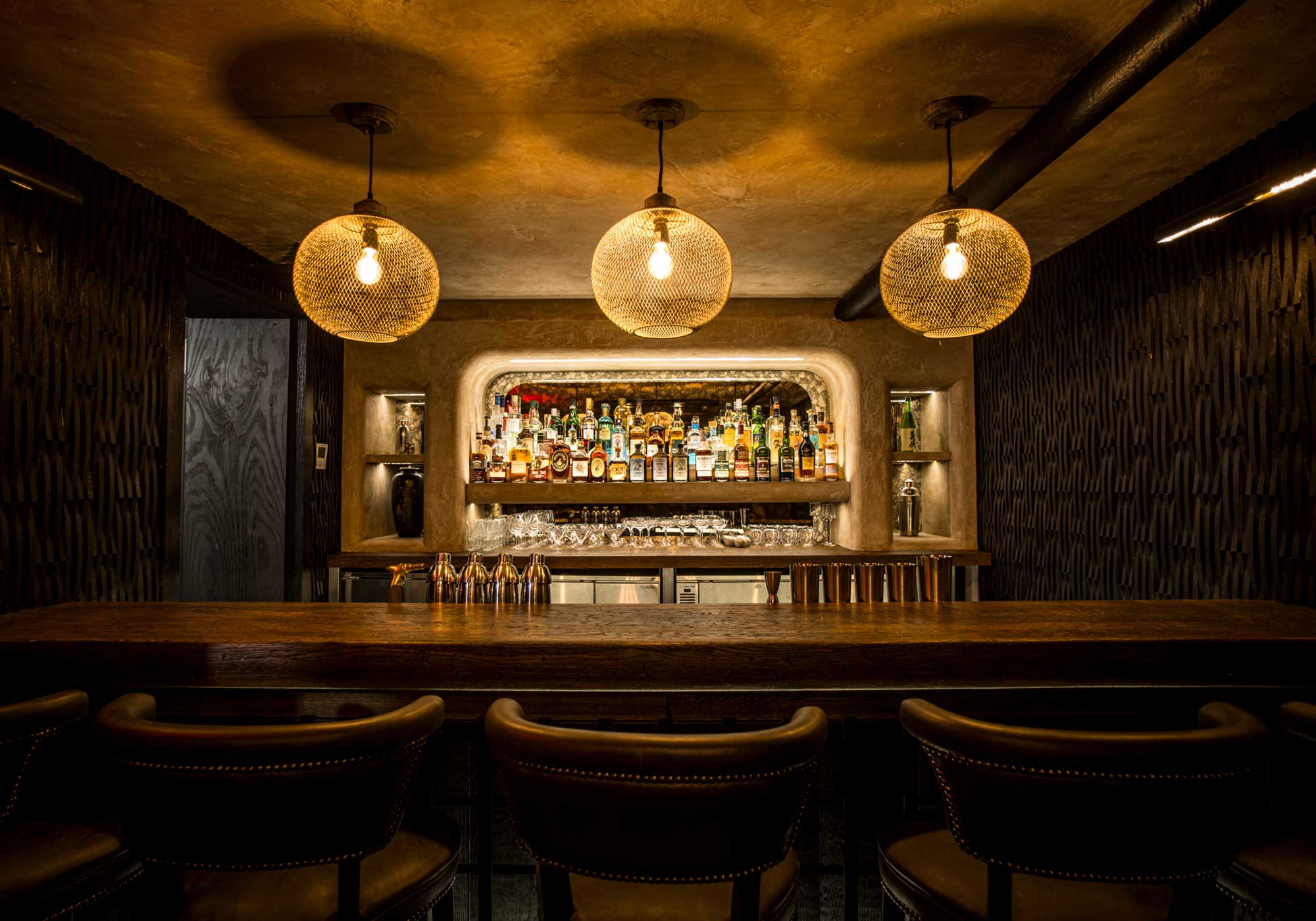
Intentionality, good value, and memorable experiences as well as lower-strength options are among the highlights of today’s trends at the bar.

Intentionality, good value, and memorable experiences as well as lower-strength options are among the highlights of today’s trends at the bar.
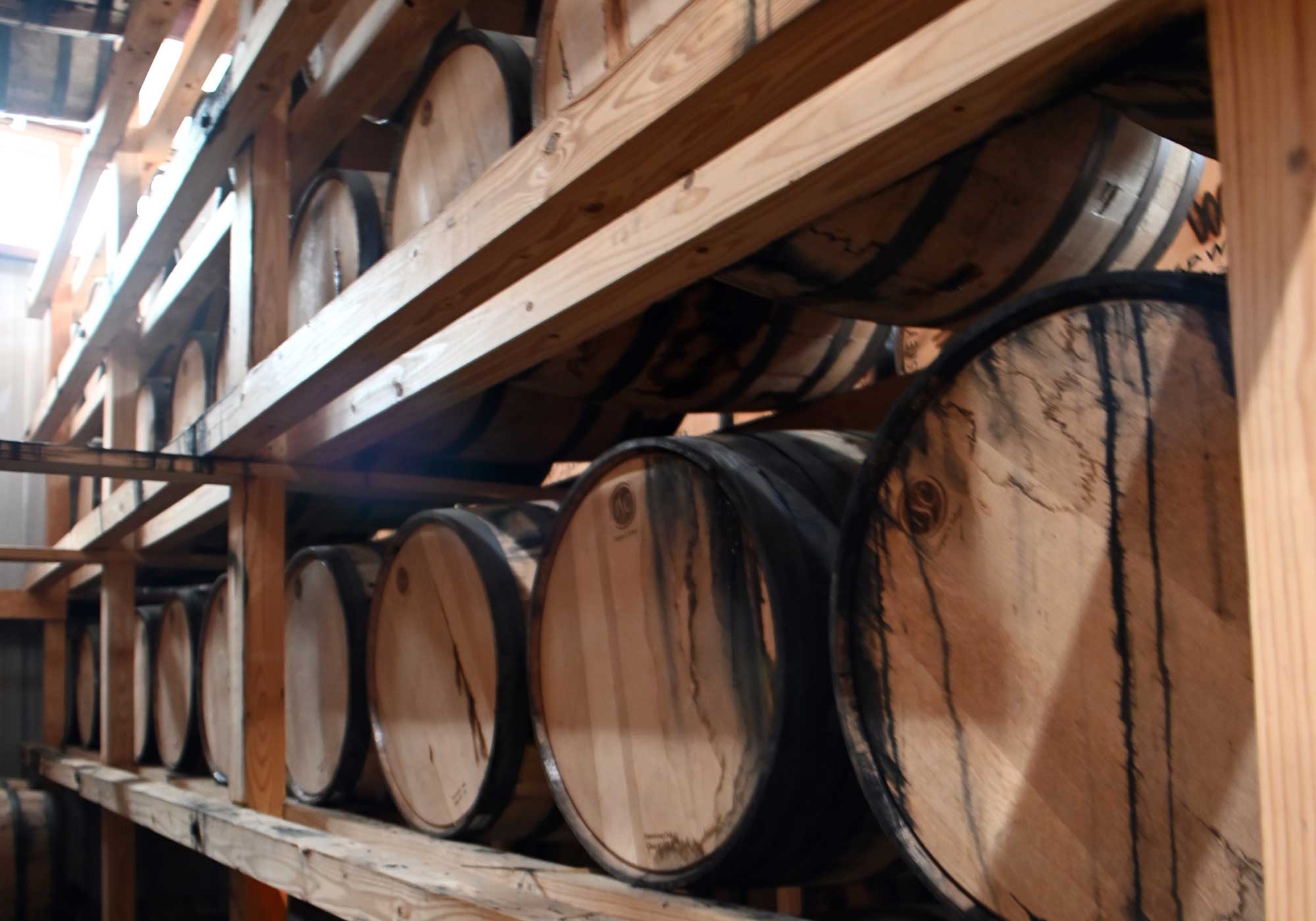
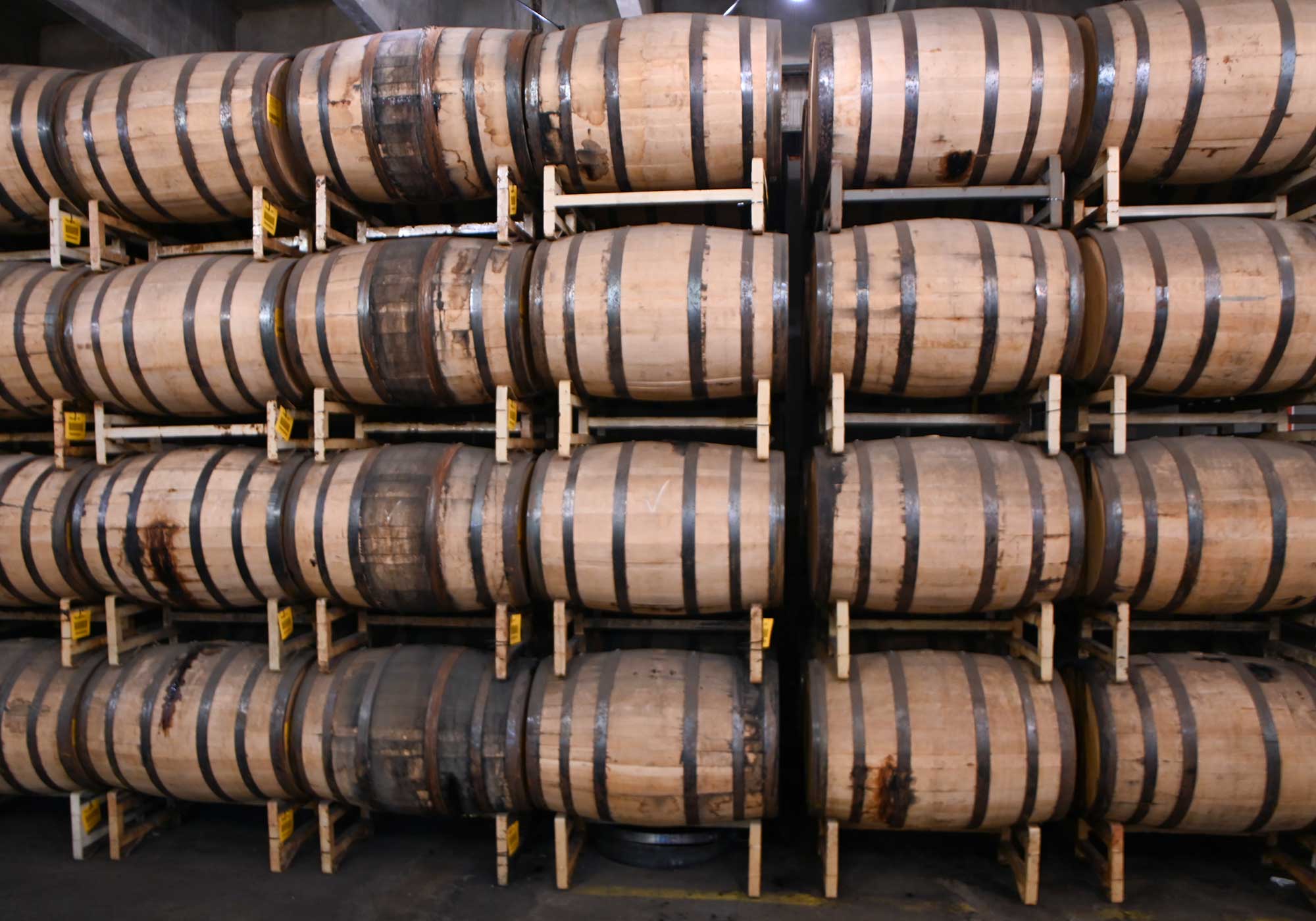
Changes in barrel sizes, warehousing, and entry proof have all altered the character of the whiskeys we make and enjoy today. Those old practices also may be sources of inspiration for craft distillers who want to make distinctive products.
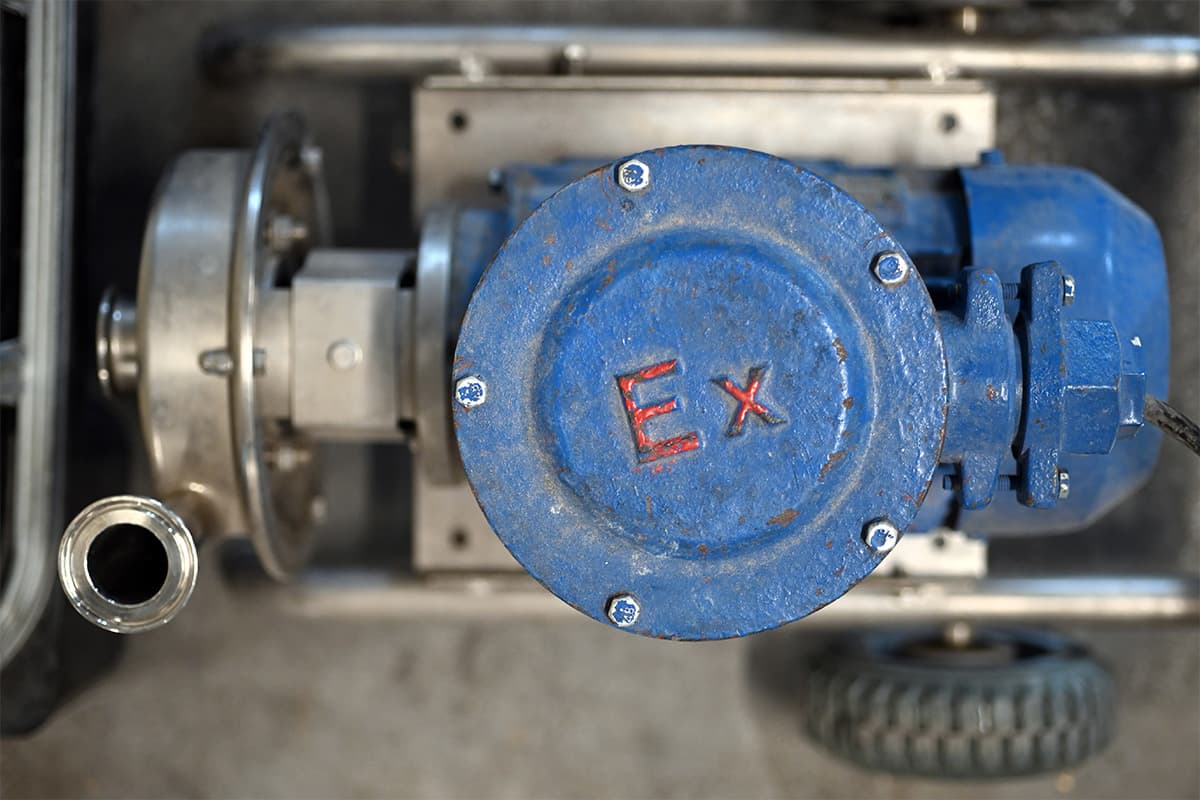
While brewers commonly rely on one type of pump, a distiller may have to contend with a wider range of circumstances, from thick mashes to explosion concerns.
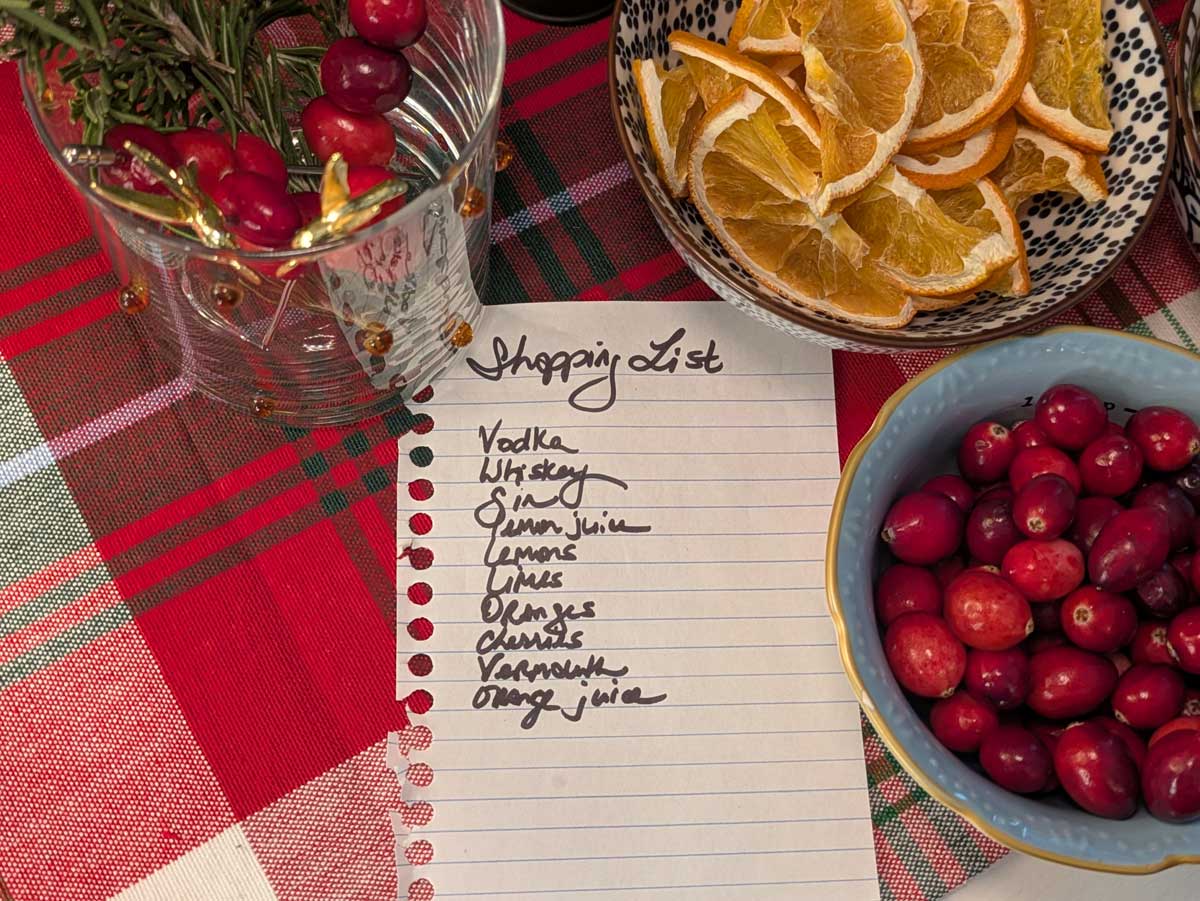
Carefully selecting spirits, mixers, and accoutrements can help you offer something for everyone without breaking the bank.
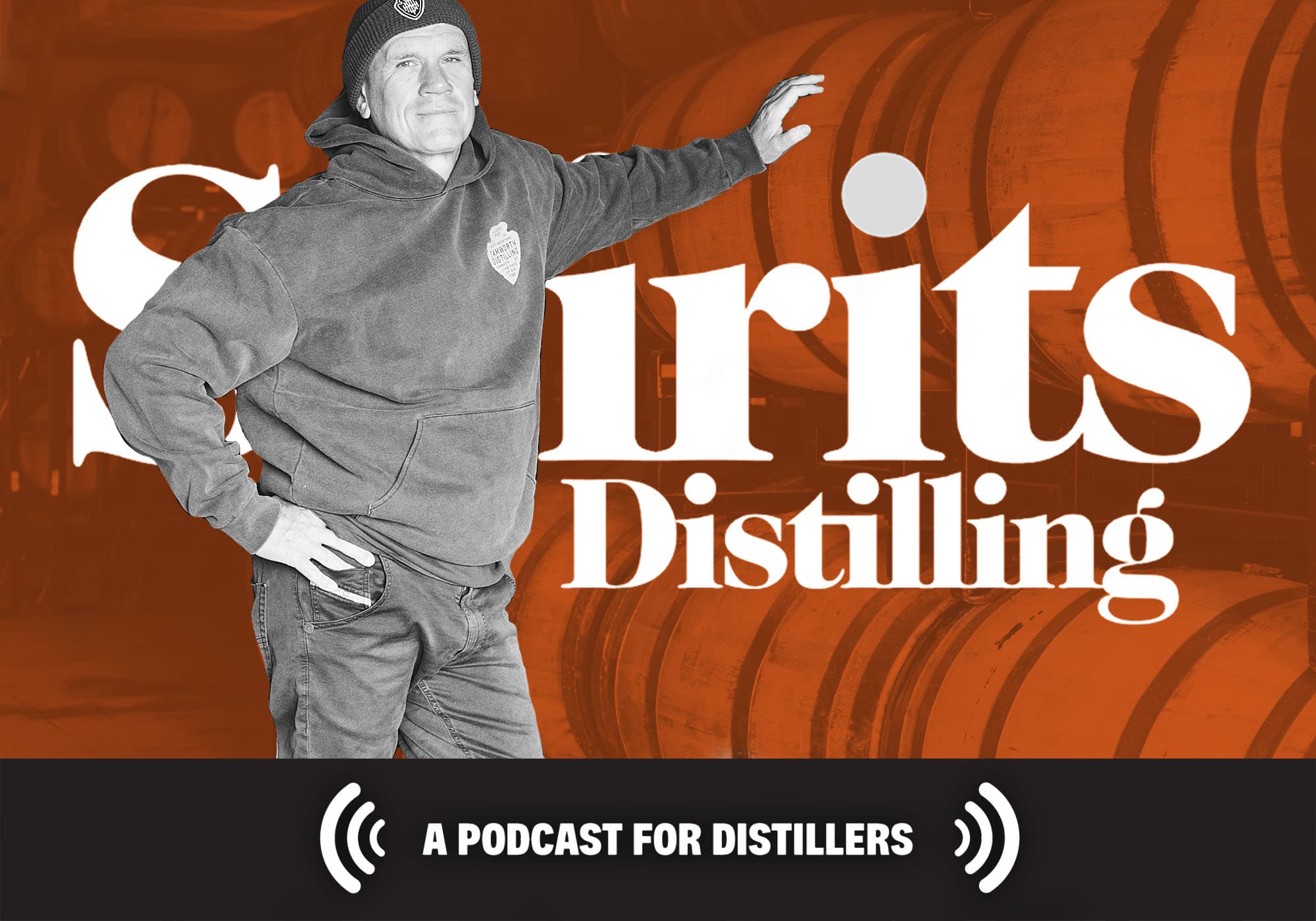
The creative force behind brands such as Sailor Jerry and Hendrick’s and the founder of New Hampshire’s Tamworth Distilling talks about originality, differentiation, and what today’s distillers need to know to survive and succeed in a saturated market.
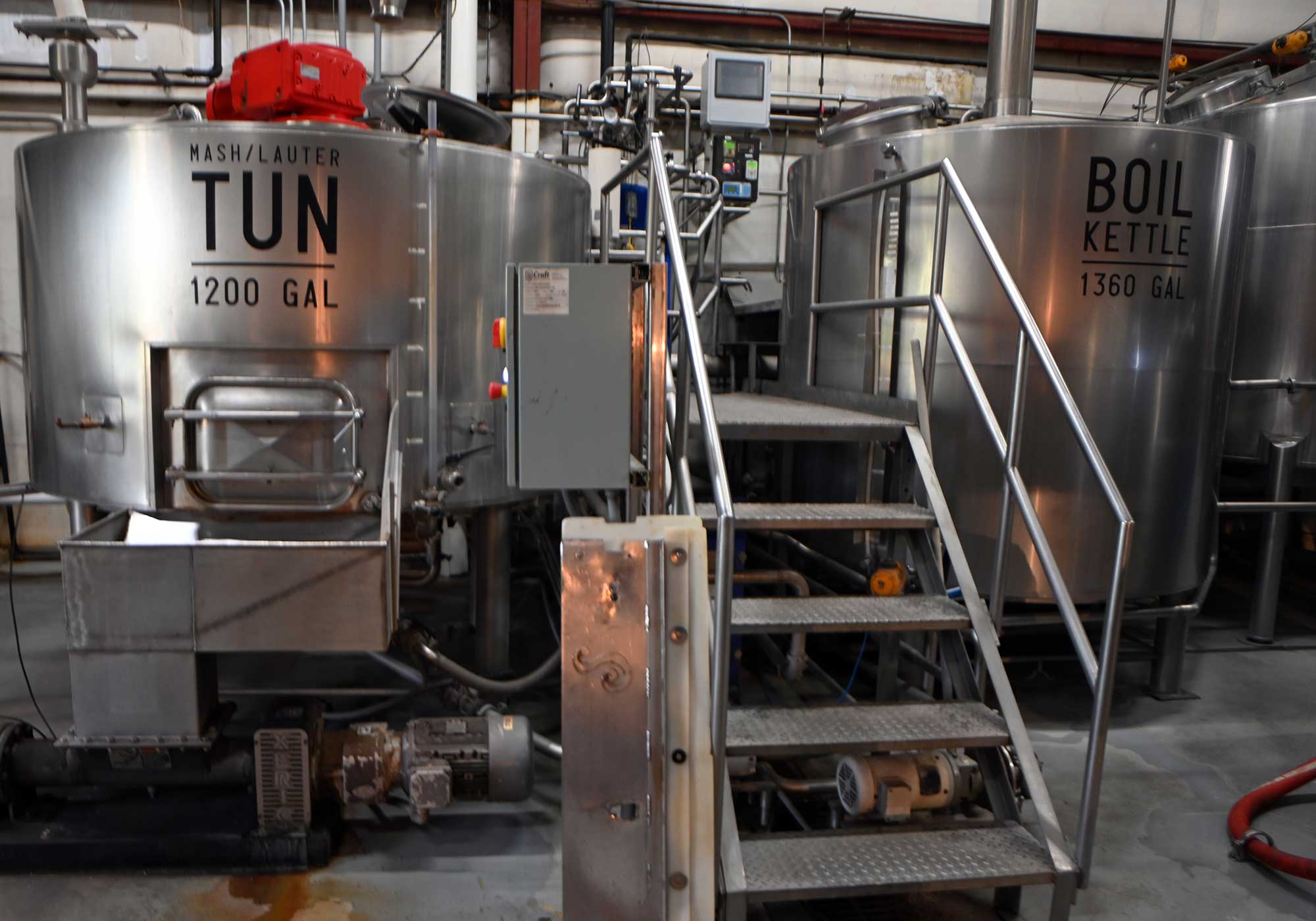
Much like the debate over on-grain or off-grain fermentation, the distiller’s choice on whether to boil their American single-malt wort has a range of consequences for flavor and efficiency.
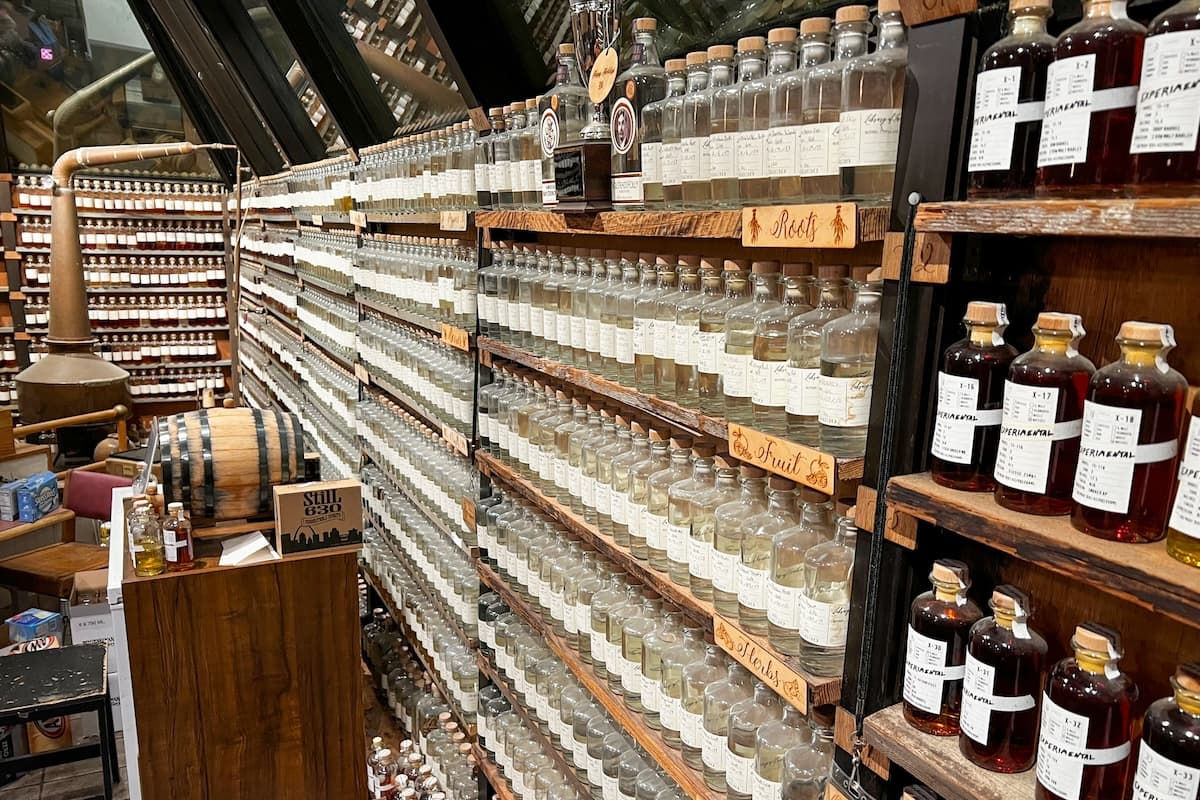
Botanically driven distilleries can level up their R&D with hundreds of individual distillations and macerations. Here’s what to know, so you can decide whether such a library is a smart move for your distillery.
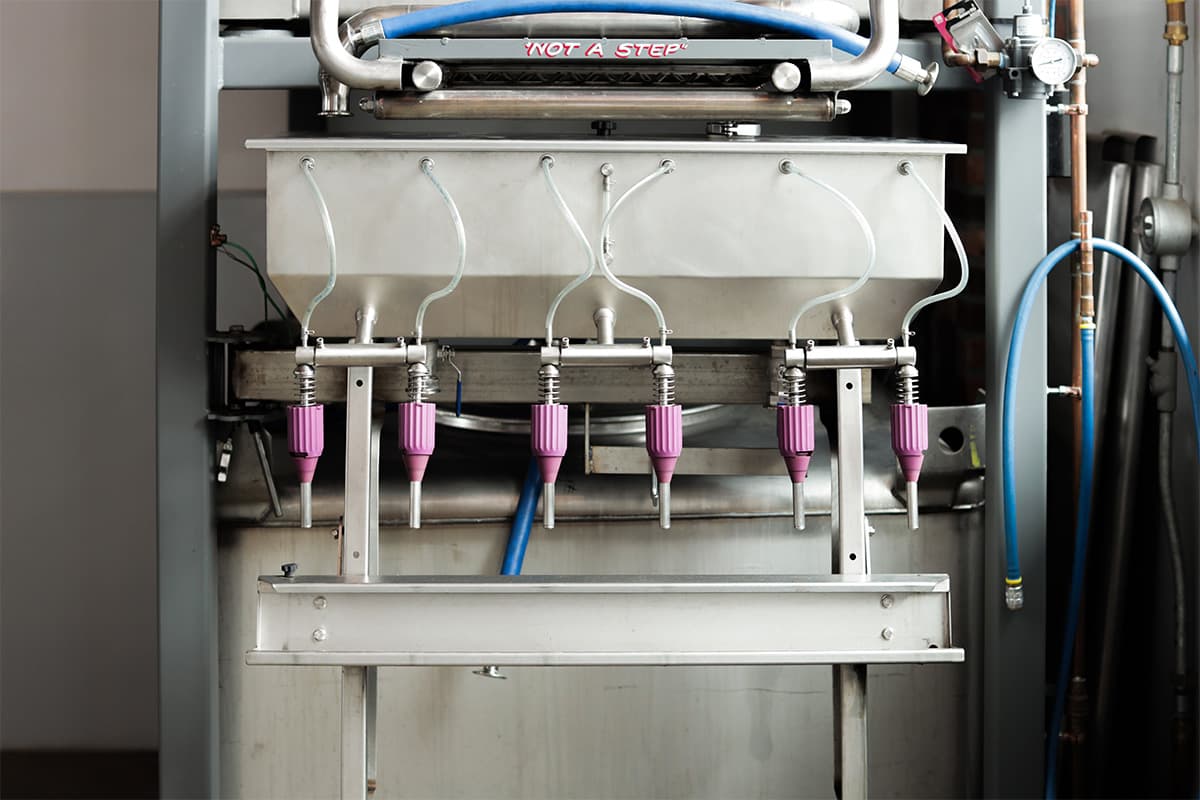
In this clip from their video course, Village Garage cofounder Glen Sauer explains the thinking behind the distillery’s multi-layered fire precautions and gravity-powered filling station.

How do finishing casks impact bourbon flavor development in a way that enhances rather than distracts? Angel’s Envy master distiller Owen Martin shares his approach to consistency and refinement without sacrificing bold presence.
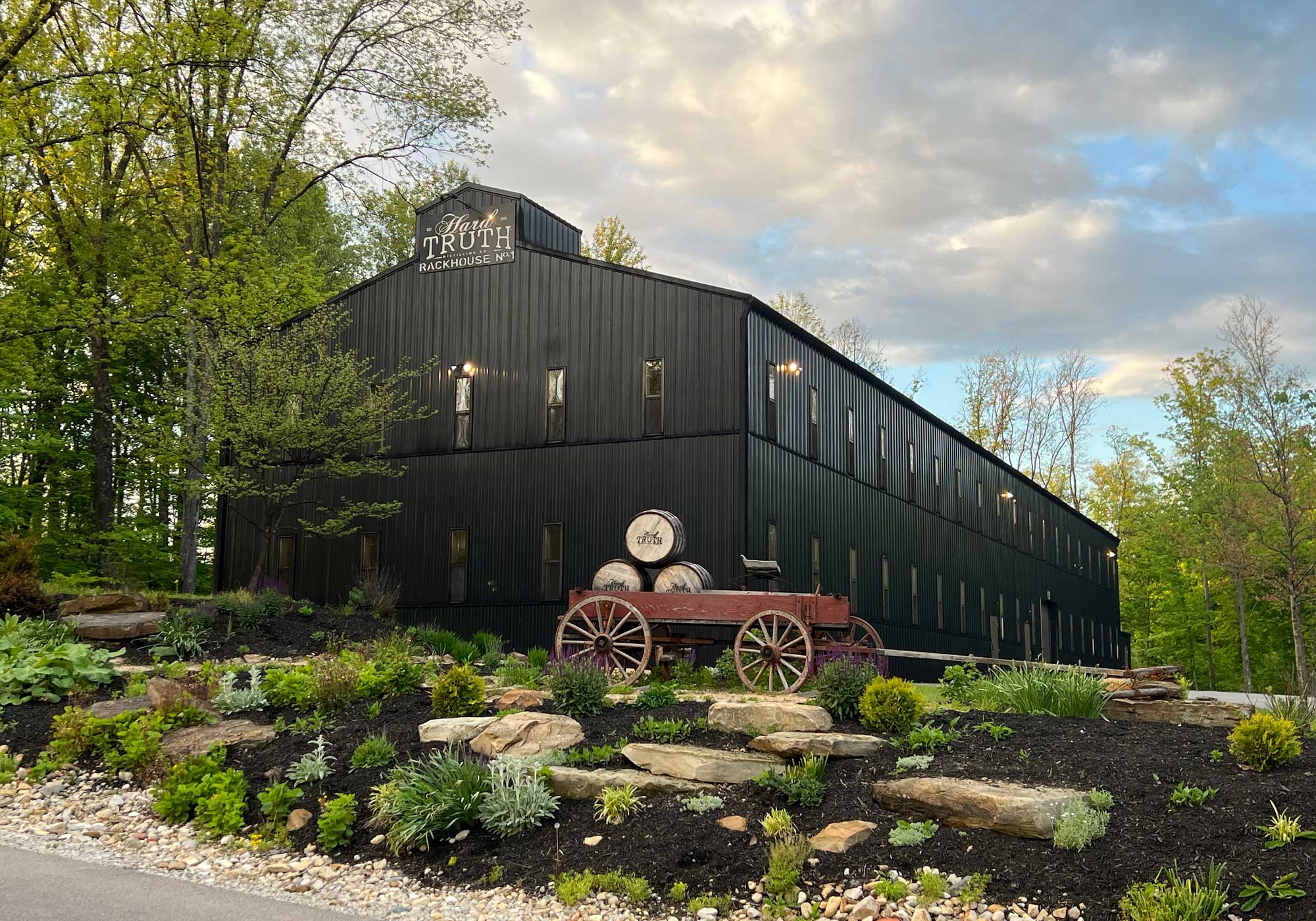
Facing tough market conditions, distillers are leaning into consumer-experience opportunities to add revenue streams, win loyalty, and grow sales.
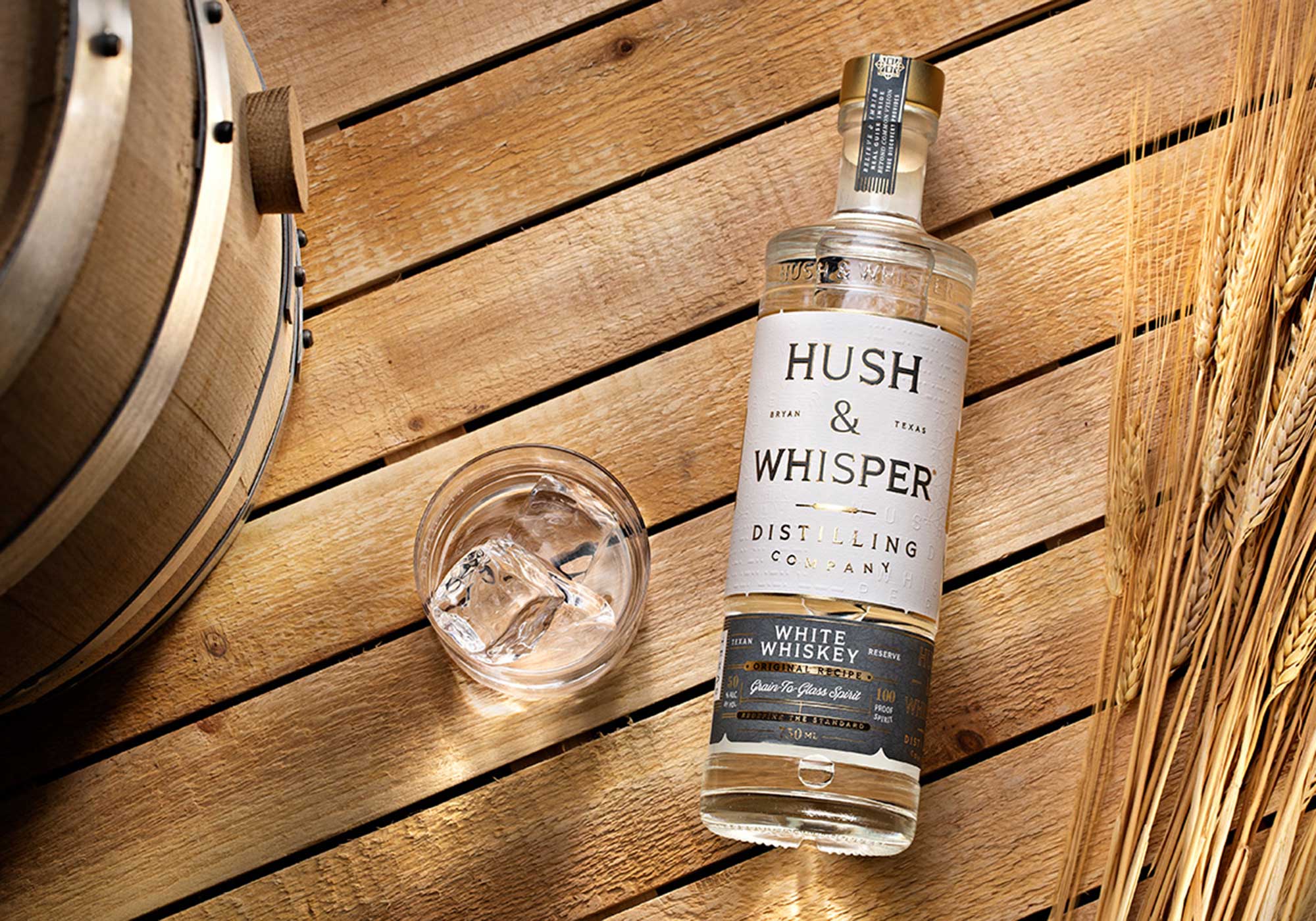
Craft distillers are elevating unaged whiskey as a pure, transparent expression of the distiller’s craft and the farmer’s grain.
Making the right picks for your single-barrel program isn’t just a matter of picking the “best” barrels. It’s an opportunity to showcase unique casks that don’t fit your regular profile.
John Angus approaches the mechanics of flavor creation in spirits through the lens of a chemist but with the soul of an educator, breaking down complex processes and cutting-edge science in practical ways that spirits makers can use and drinkers can understand.
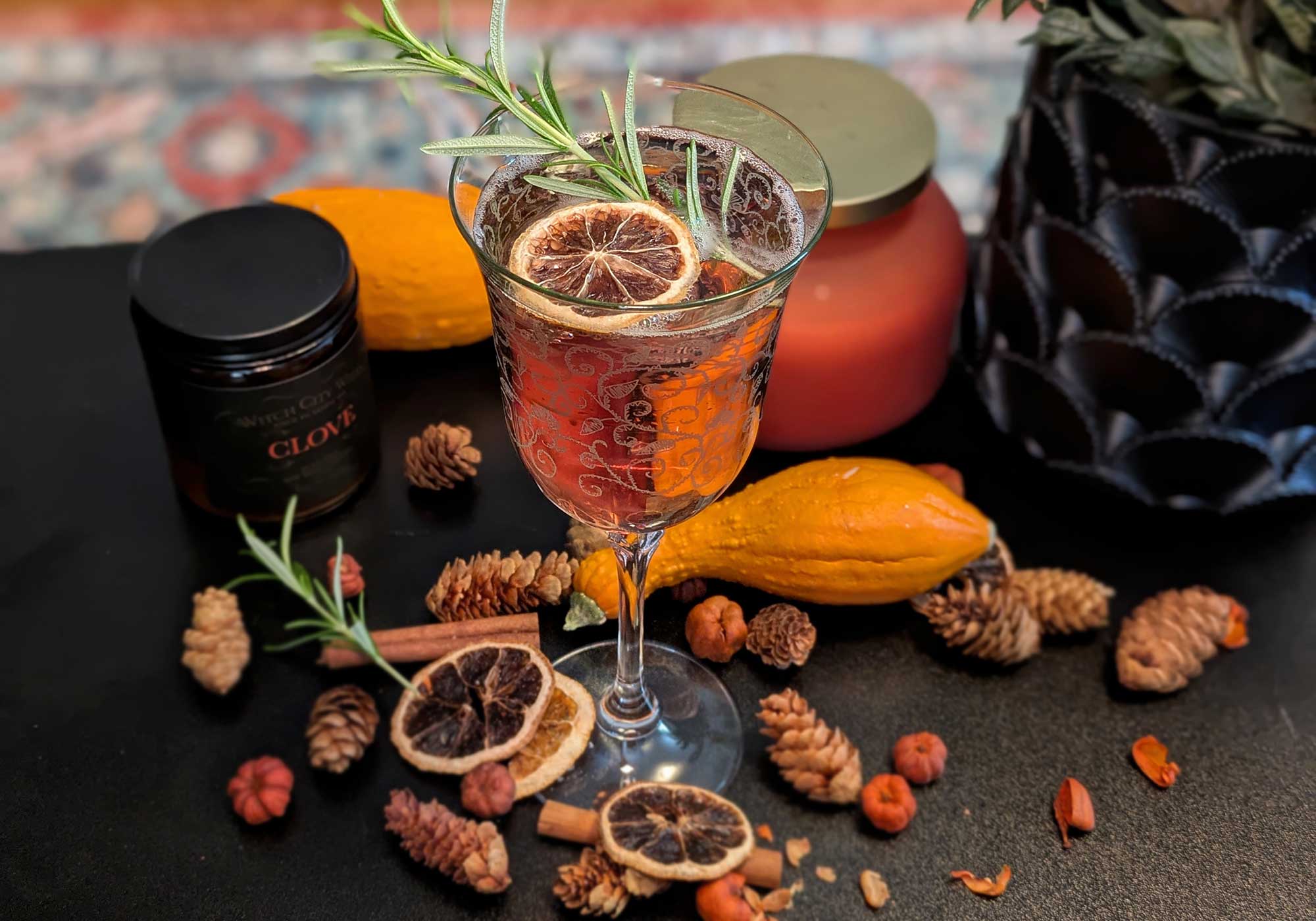
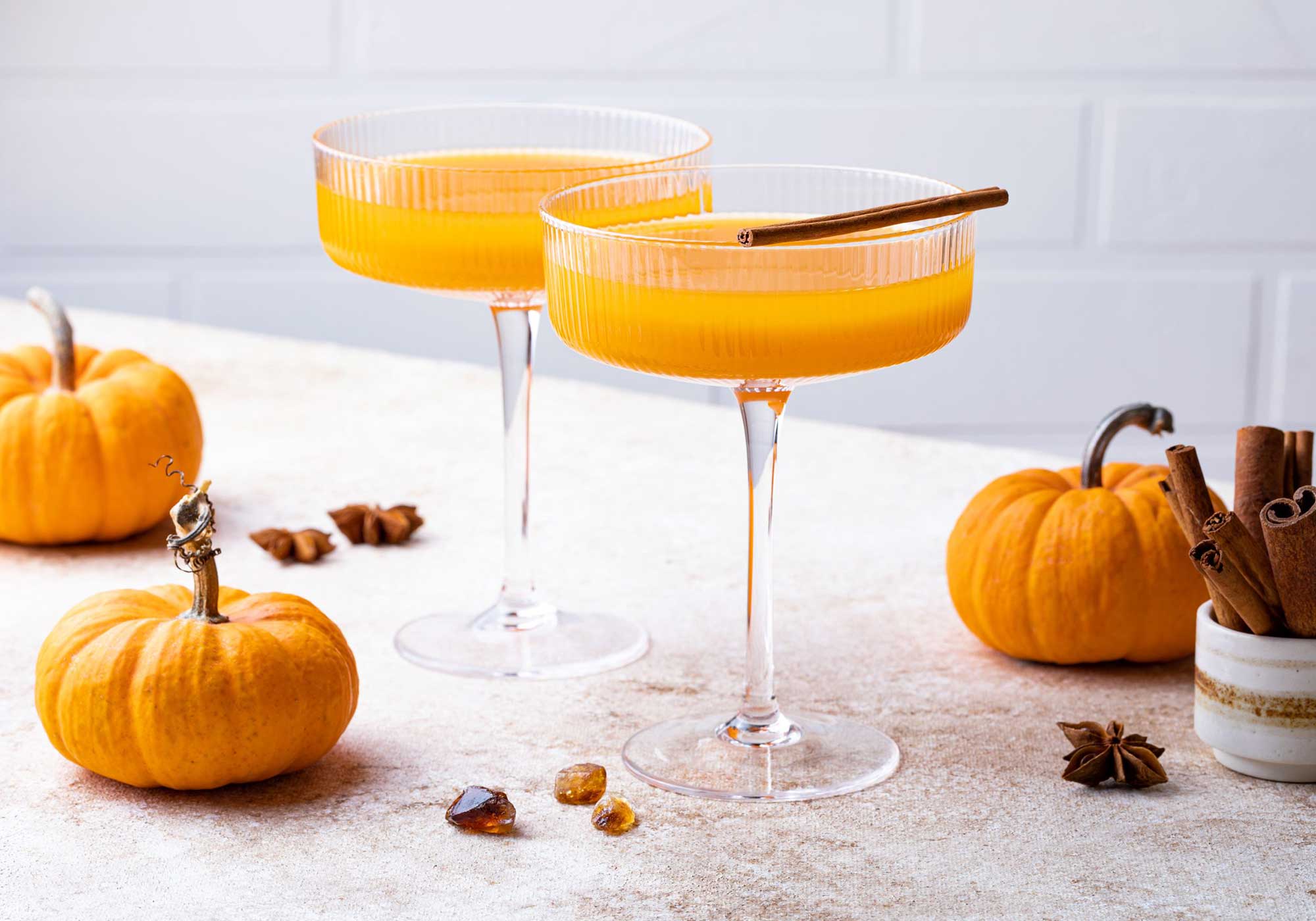
There are several classic cocktails that include wine or bubbly, but there’s far more potential for various combinations—and holiday festivities are the perfect time to share the fun with guests.
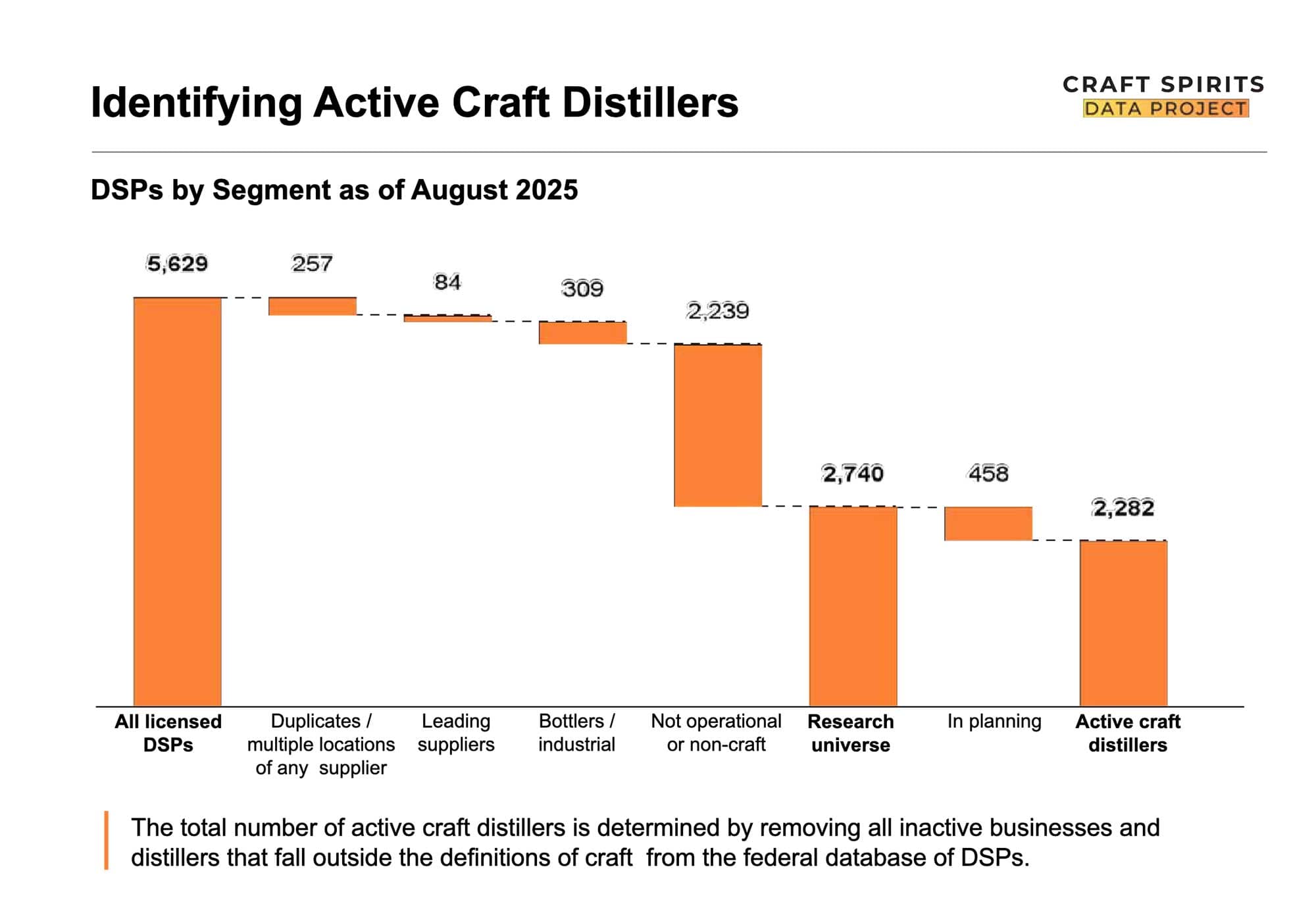
While the apparent 25 percent drop in craft distilleries is largely due to having more precise data, an annual report still confirms what distillers know well: It’s a challenging environment right now.
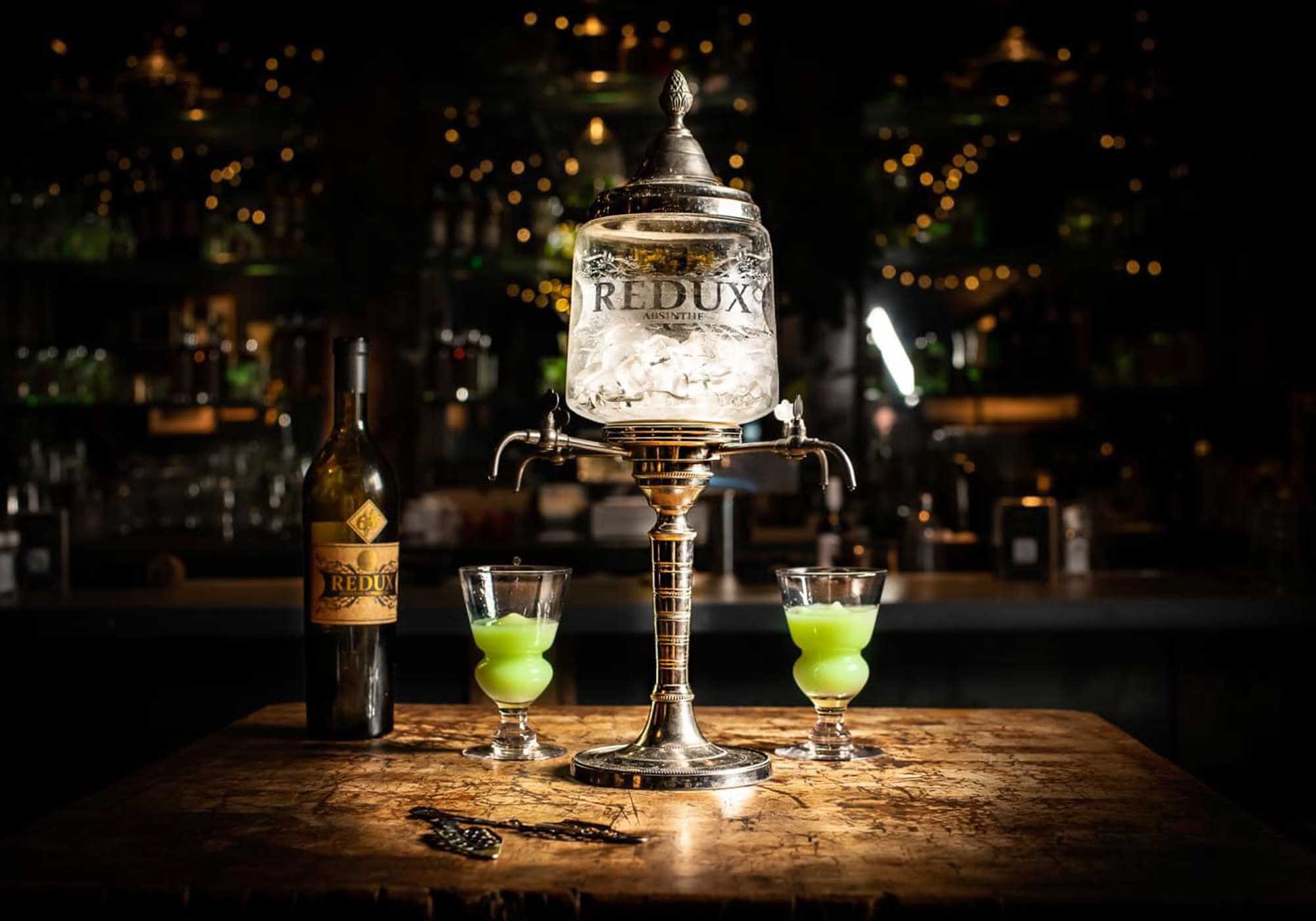
There’s more to enjoying absinthe than sugar cubes and ice water. Here, two distillers share approaches old and new—from backwoods and bare-bones to upscale mixology—for serving and enjoying the spirit. As told to Ryan Pachmayer.
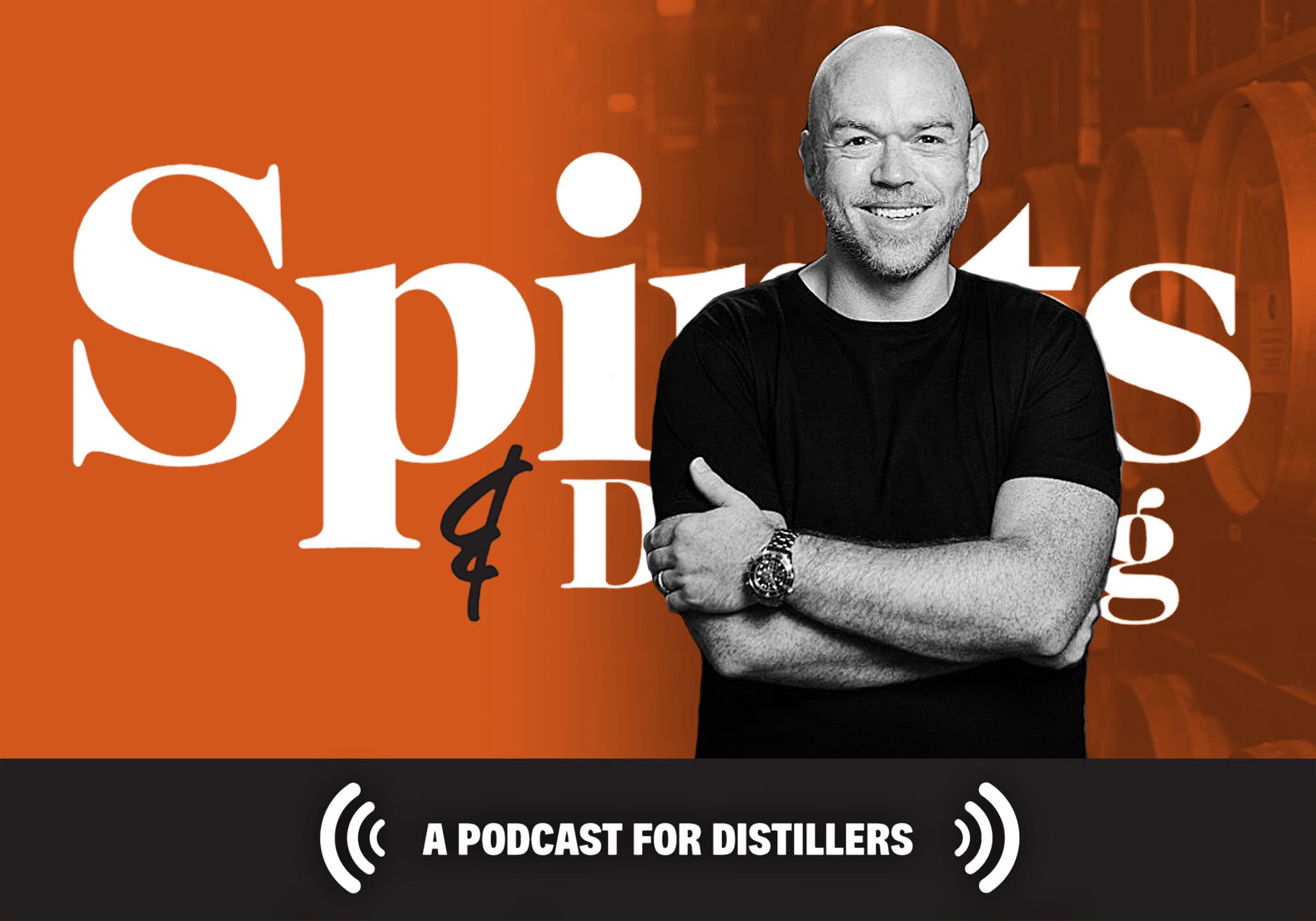
Recreating the distinct aromas and flavors that evoke particular places, times, and experiences is a focus that transcends spirit style for this California distiller.
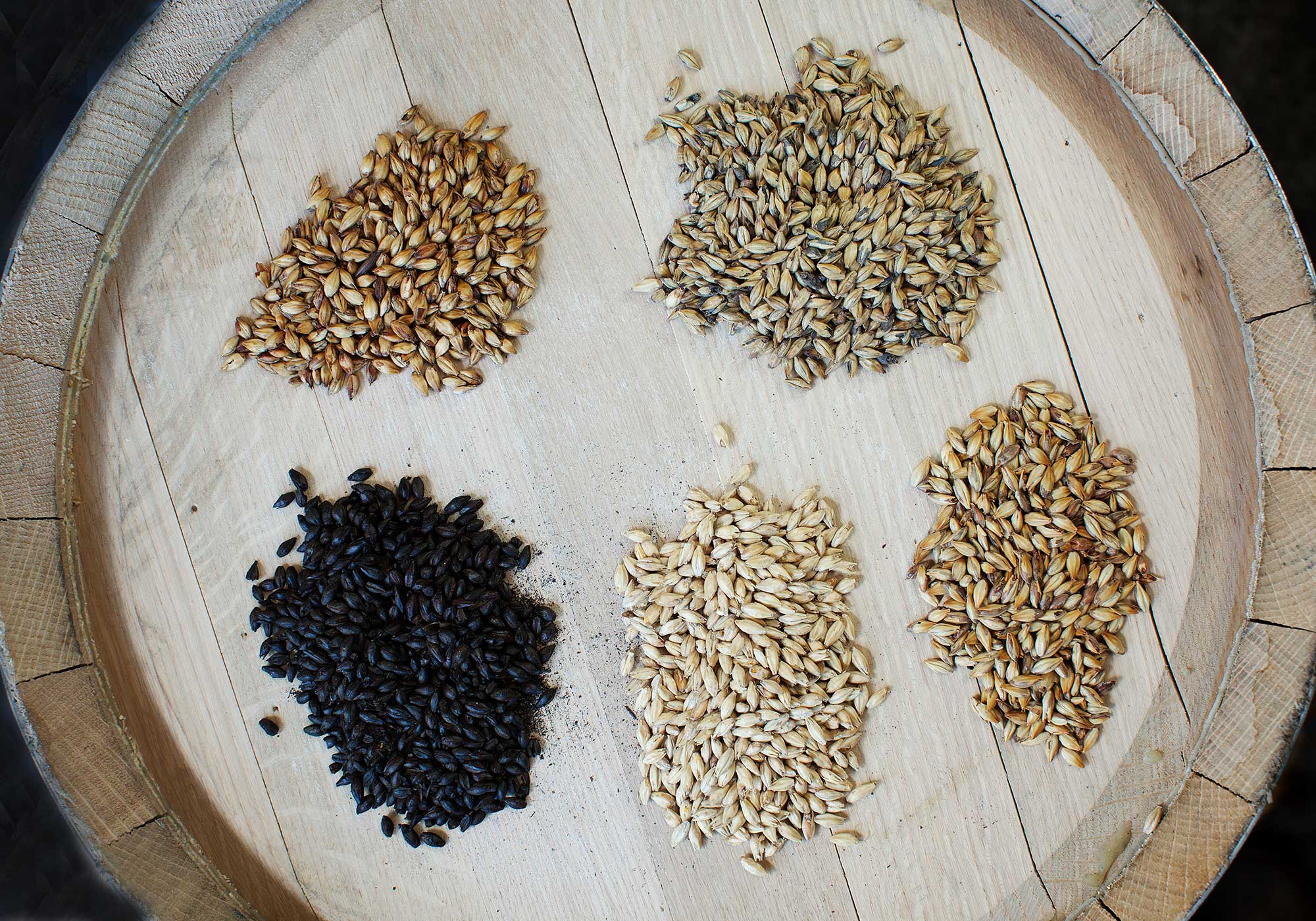
Distillers can tap into the same kinds of flavorful malts that brewers commonly use to build additional flavor and complexity into their whiskeys.
For creative distillers, cocktail programs can help move bottles and open paths to new product categories.
There’s an important fork in the road to creating an American single-malt whiskey: Will you produce it on-grain or off-grain? That single decision has a major impact on the whiskey’s character, the equipment you’ll need, and the shape of your waste streams.
Get tips and new content delivered weekly to your inbox.