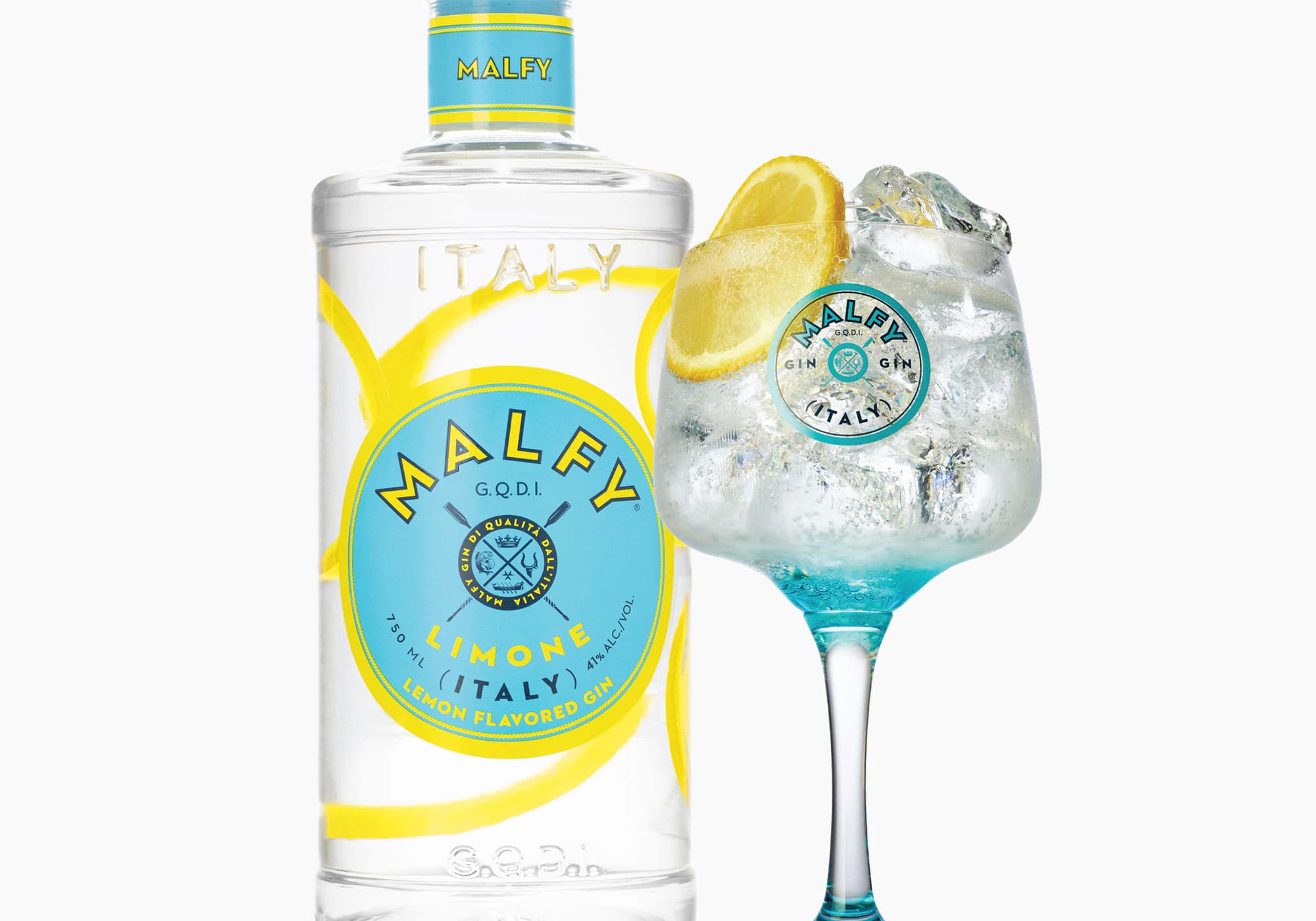
Italian Gins Bring Legendary Flavor to the Botanical Spirit
The Italian peninsula is renowned for the quality of its ingredients. Distillers have discovered a natural connection to the classic juniper-driven category.
By Jacopo Mazzeo

16 articles in this category
The Italian peninsula is renowned for the quality of its ingredients. Distillers have discovered a natural connection to the classic juniper-driven category.
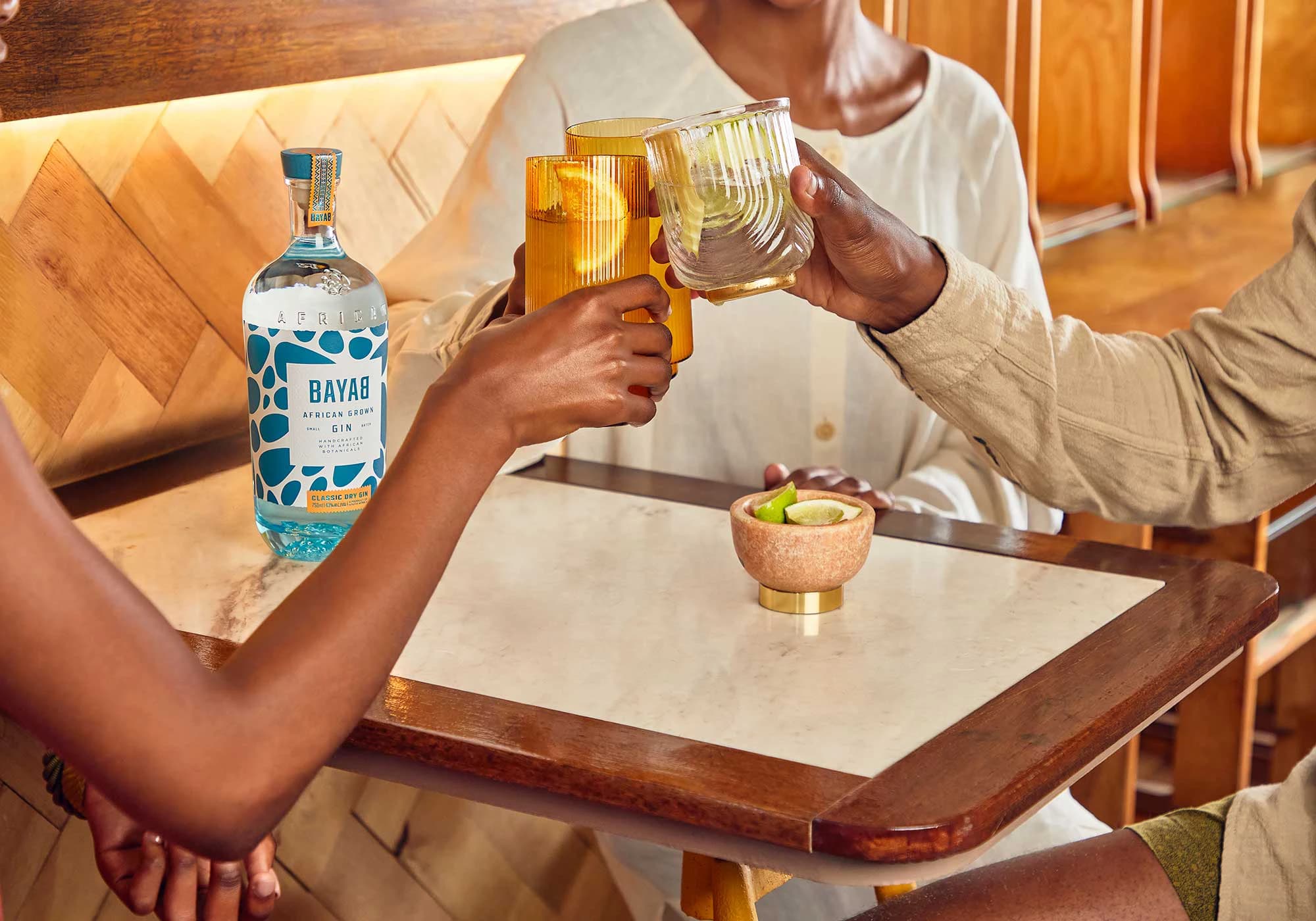
Citrus is a crucial part of gin. It’s also an opportunity to innovate and differentiate.
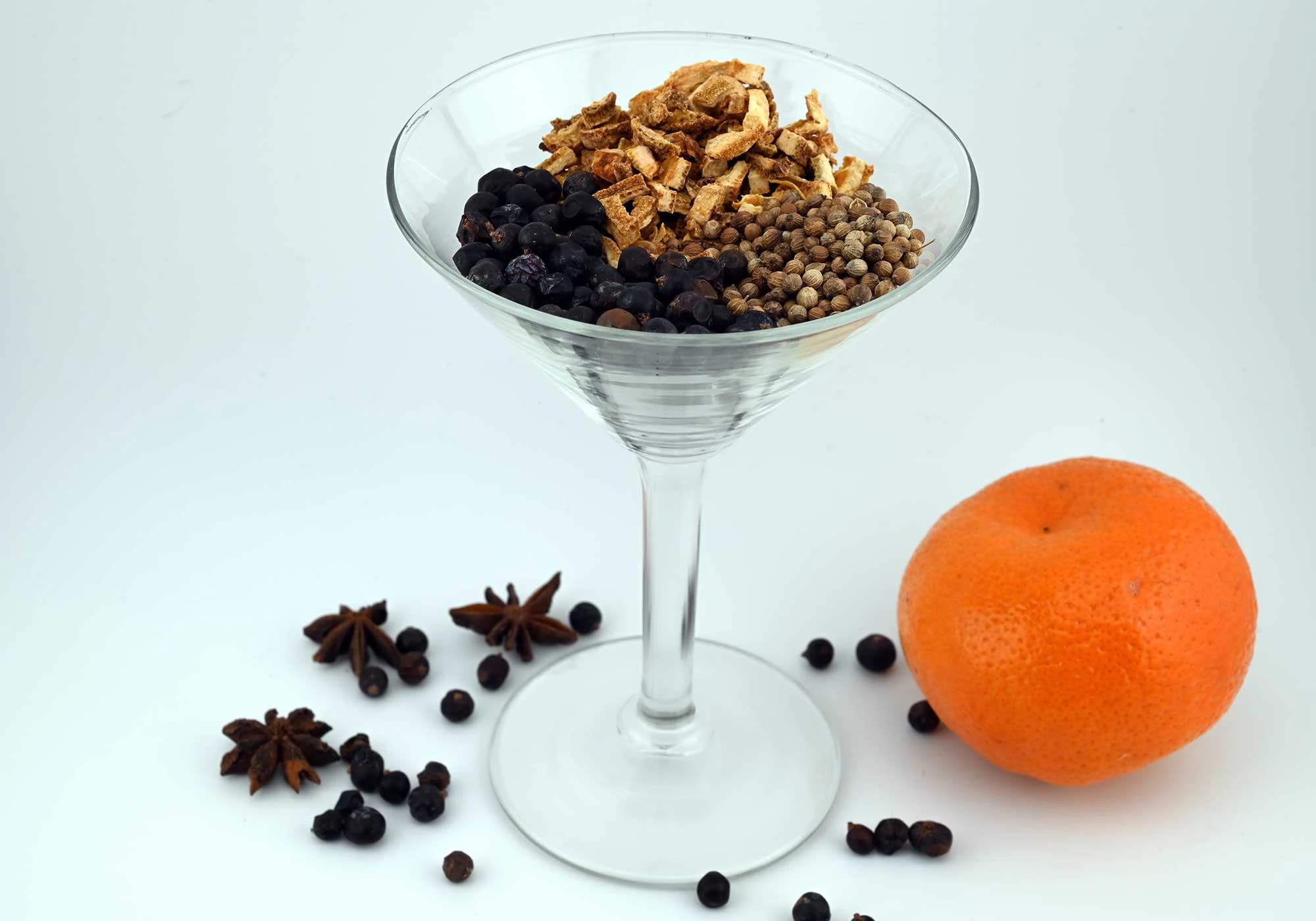
Take your juniper seriously, consider flavor compatibility, keep safety in mind … and never be afraid to experiment.
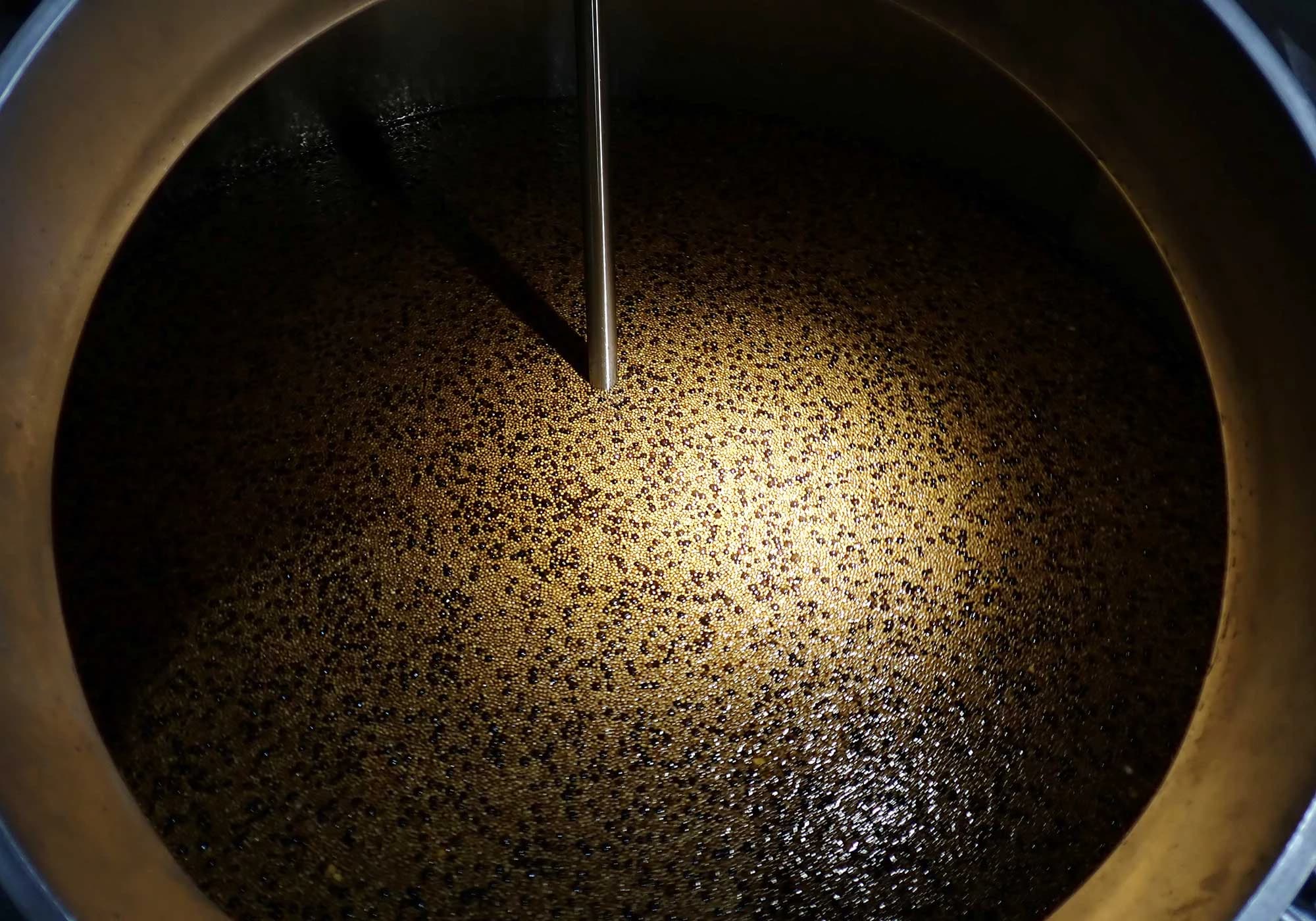
Gin production begins with a complex series of questions, and it only gets more interesting from there. It’s a choose-your-own-adventure path that can lead to countless variations.
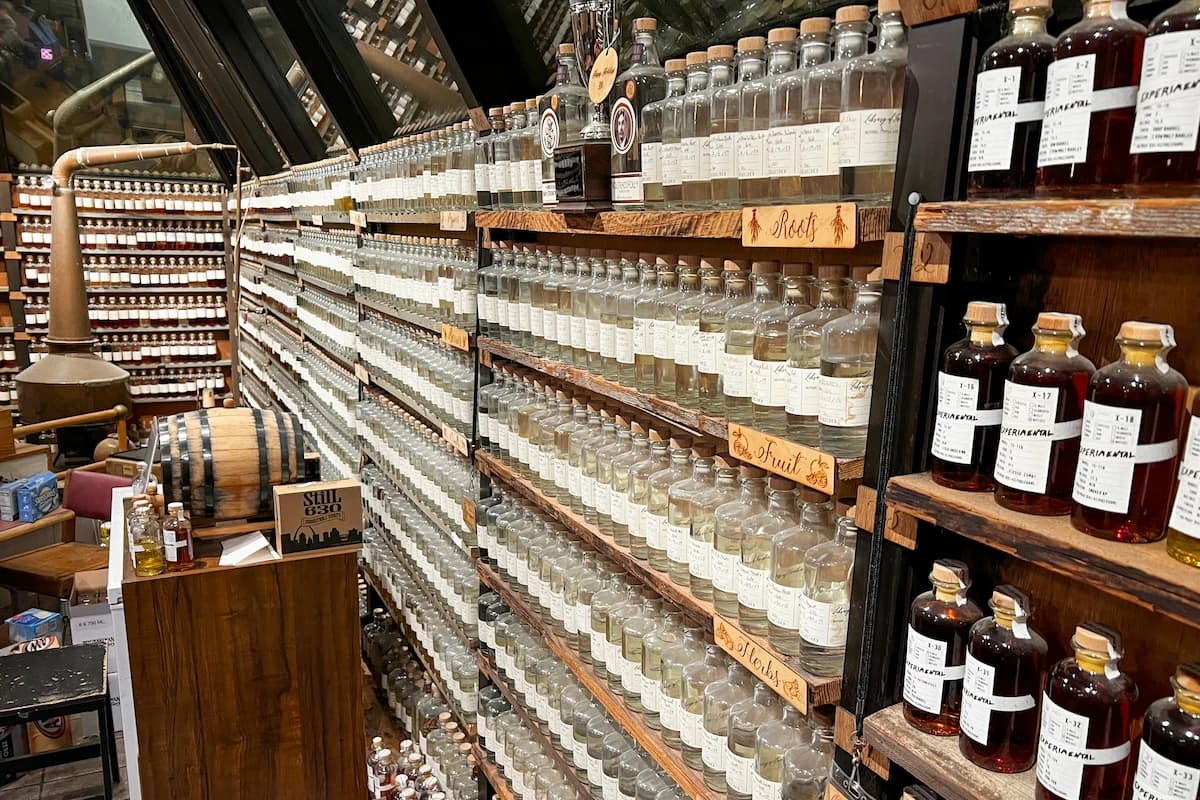
Botanically driven distilleries can level up their R&D with hundreds of individual distillations and macerations. Here’s what to know, so you can decide whether such a library is a smart move for your distillery.

As master distiller at Bombay Sapphire, Anne Brock combines creative interest in botanicals with the scientific approach of an organic chemist, testing various ingredients and distillation methods while prizing consistency of flavor.
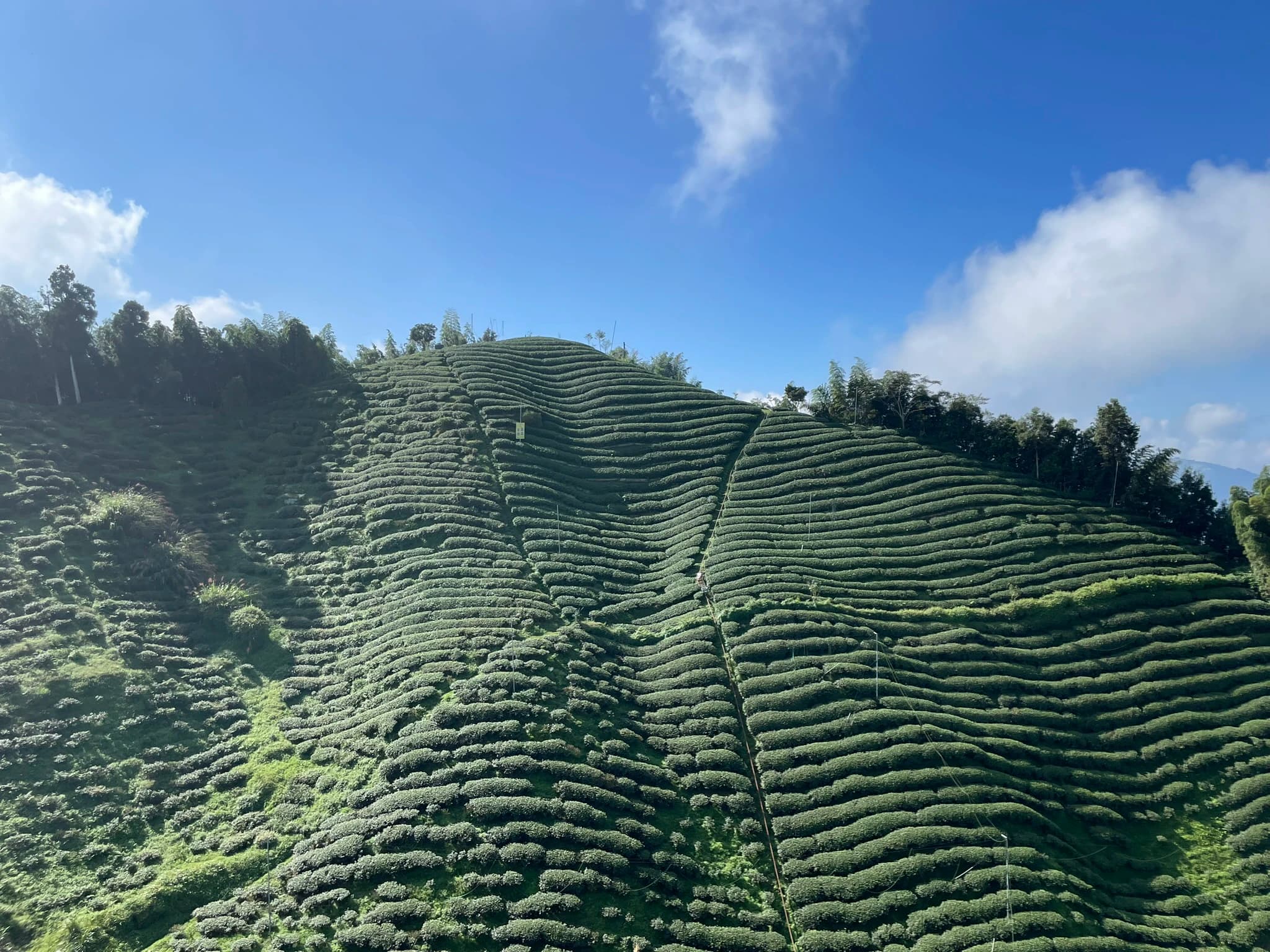
Beyond its use in liqueurs and bitters, tea can also be a foundational piece to distilled spirits. Here’s how two distilleries are taking very different approaches to those flavors.
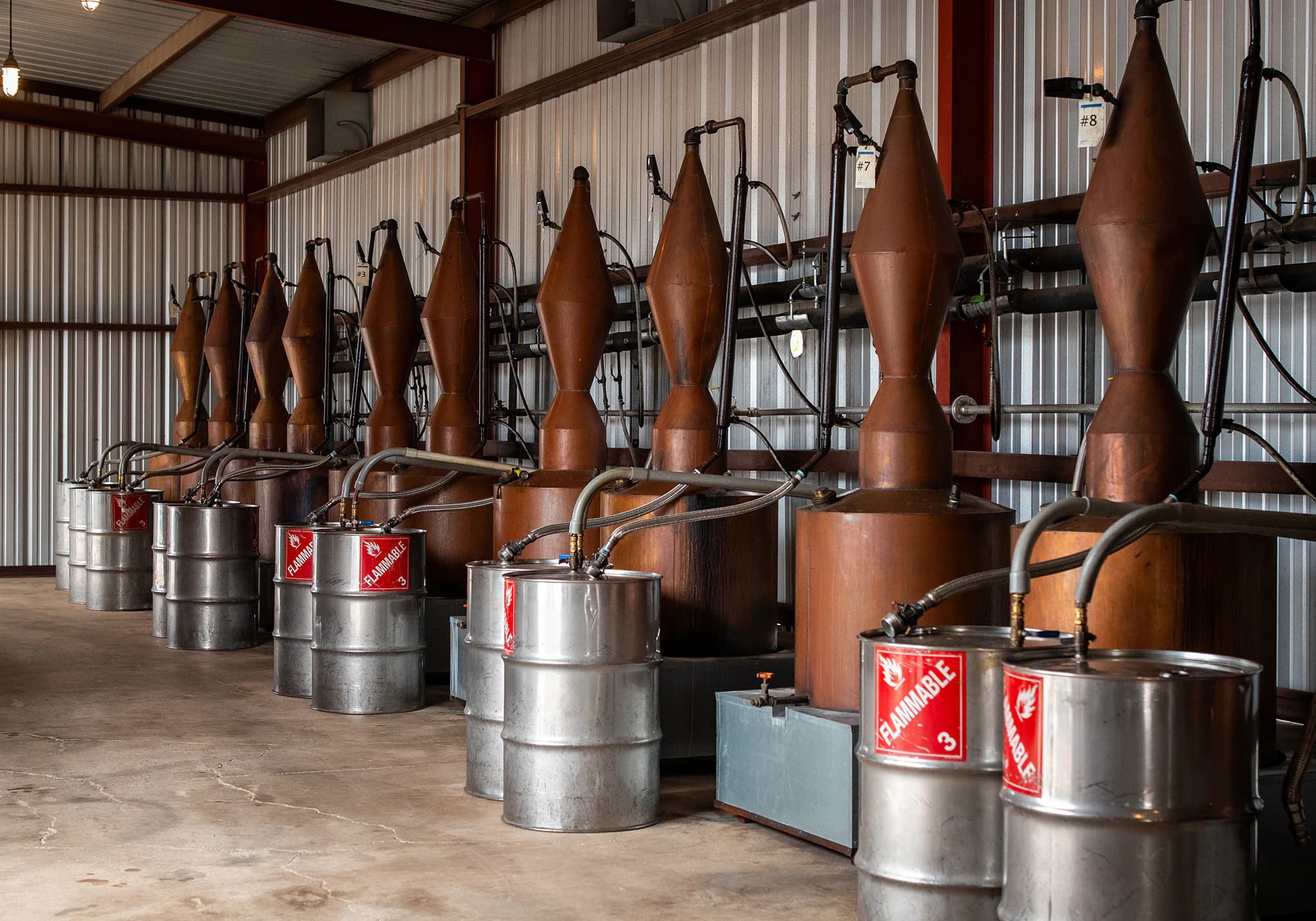
Smaller distilleries can tap into flavors and opportunities that may not be available at larger scale, whether that’s to support modest growth or simply to make the best possible spirit.
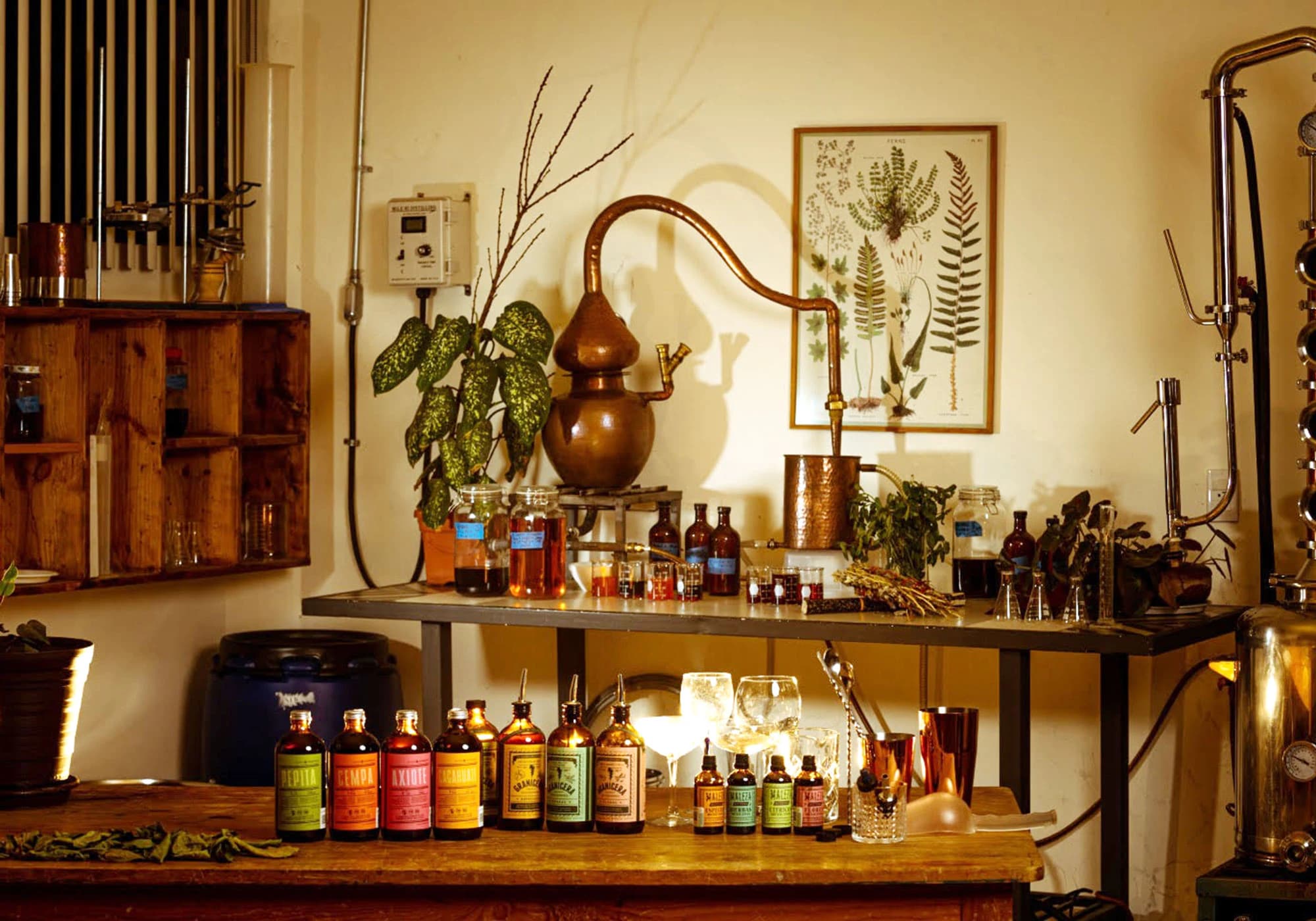
Distillers south of the border are tapping into a diverse palette of botanical flavors to create uniquely Mexican expressions.
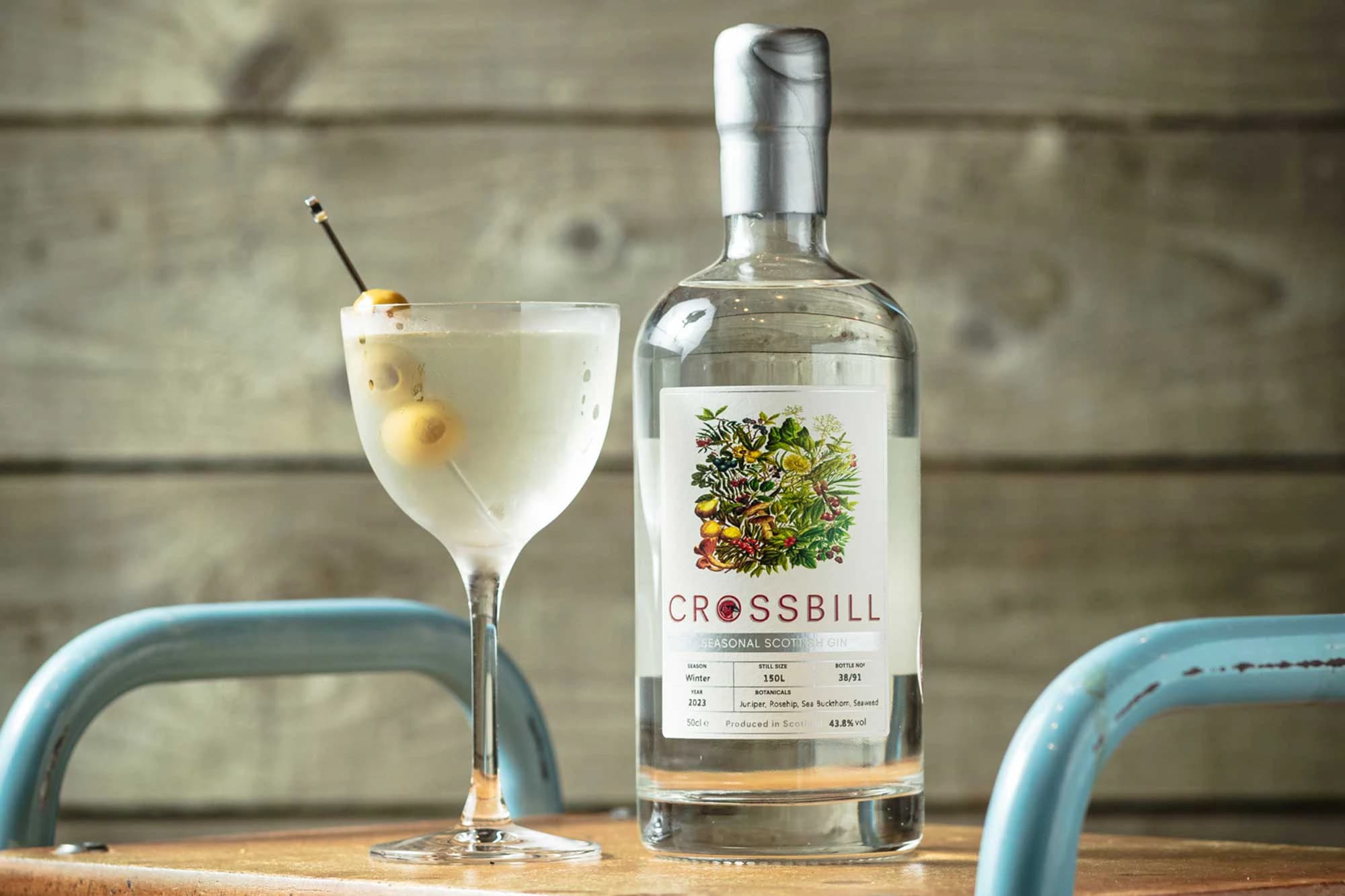
Some smaller distilleries are tapping into a wide range of botanicals to create gins meant to evoke (and be enjoyed in) the cooler weather.
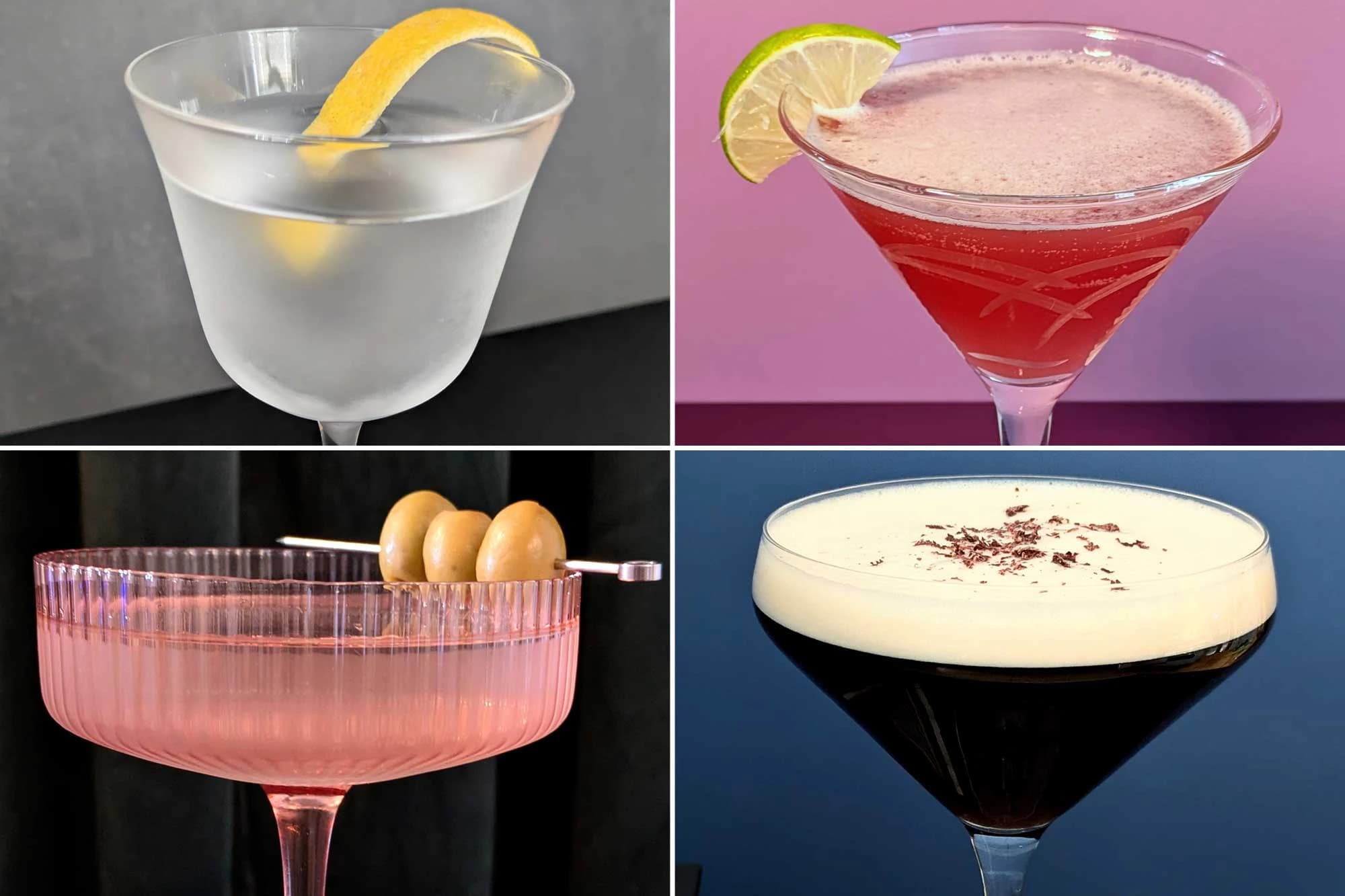
The martini is an undeniable classic with timeless appeal, yet it’s also evolved over the years. Here’s a look at the modern history of the martini, as told via recipes that give craft spirits pride of place.
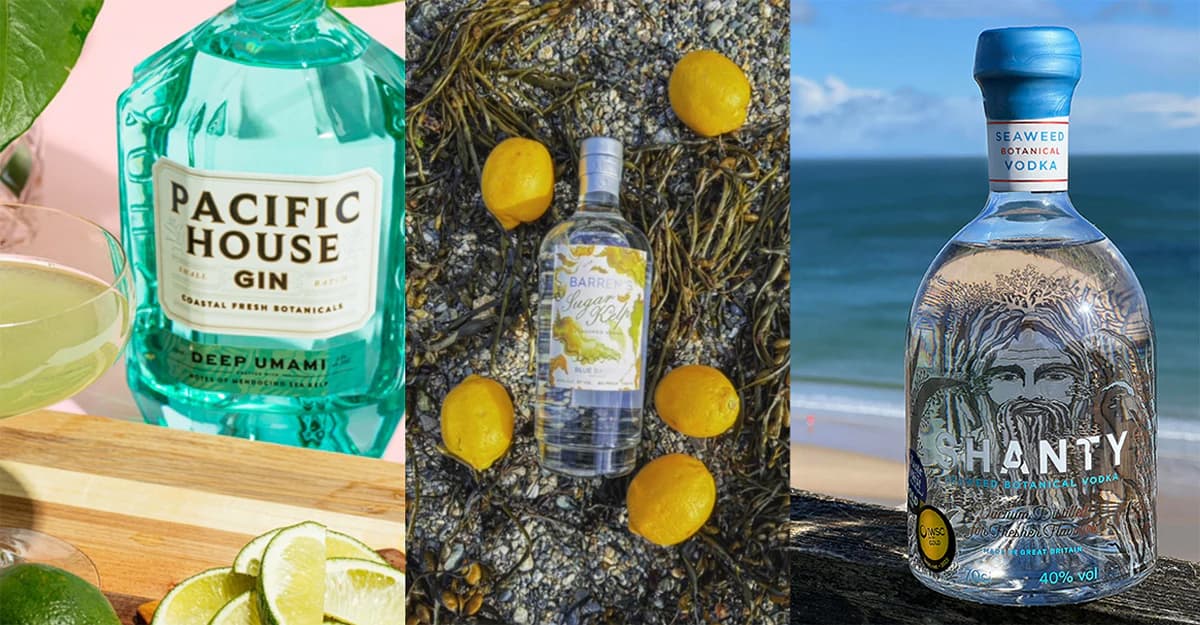
Craft distillers are taking advantage of the savoriness and salinity of kelp and other ocean algae, producing locally rooted, umami-driven spirits that evoke the sea.
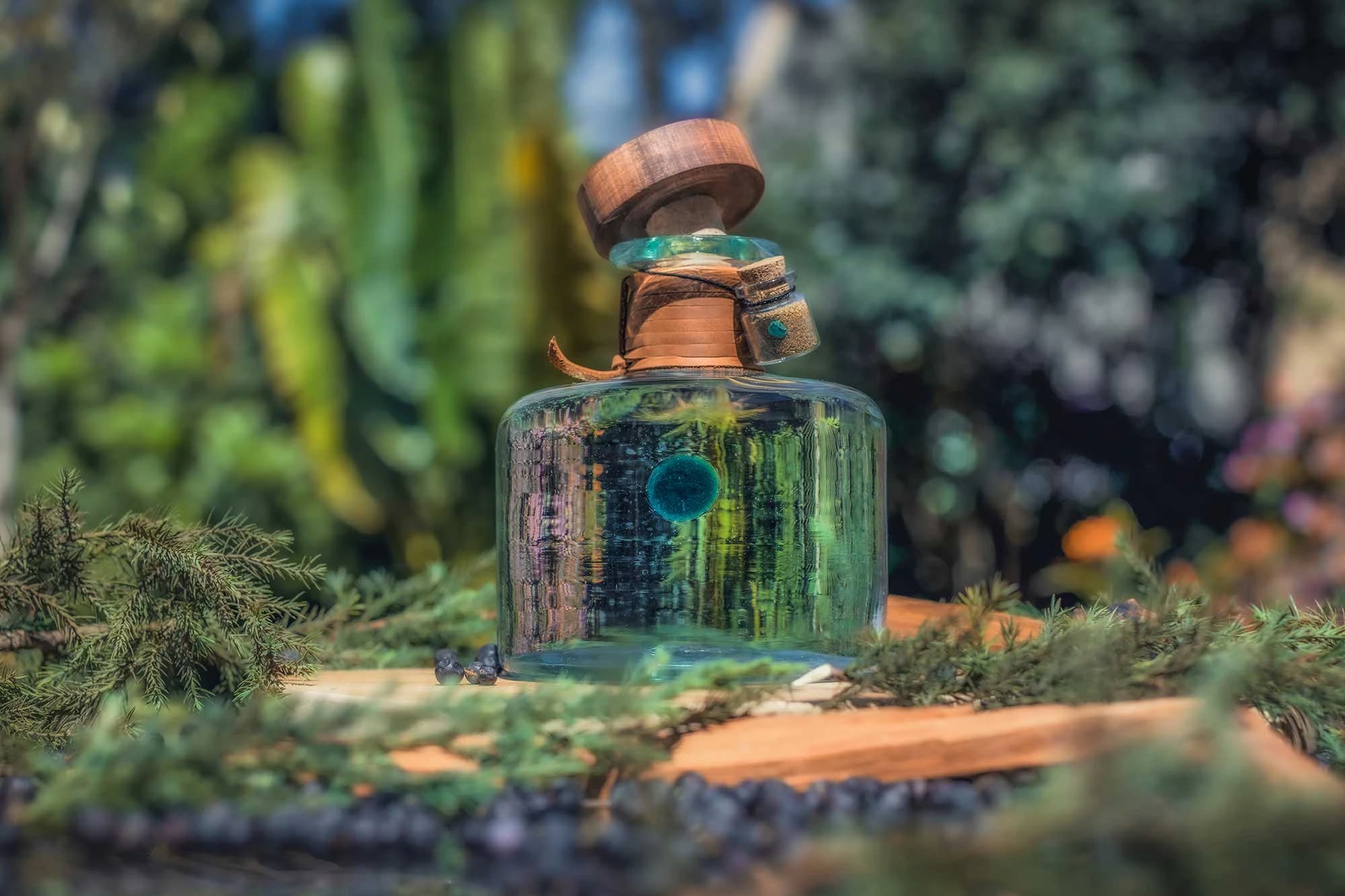
For what must be the world’s only single-tree gin, a small distillery in East Africa is going to a few intentional extremes.
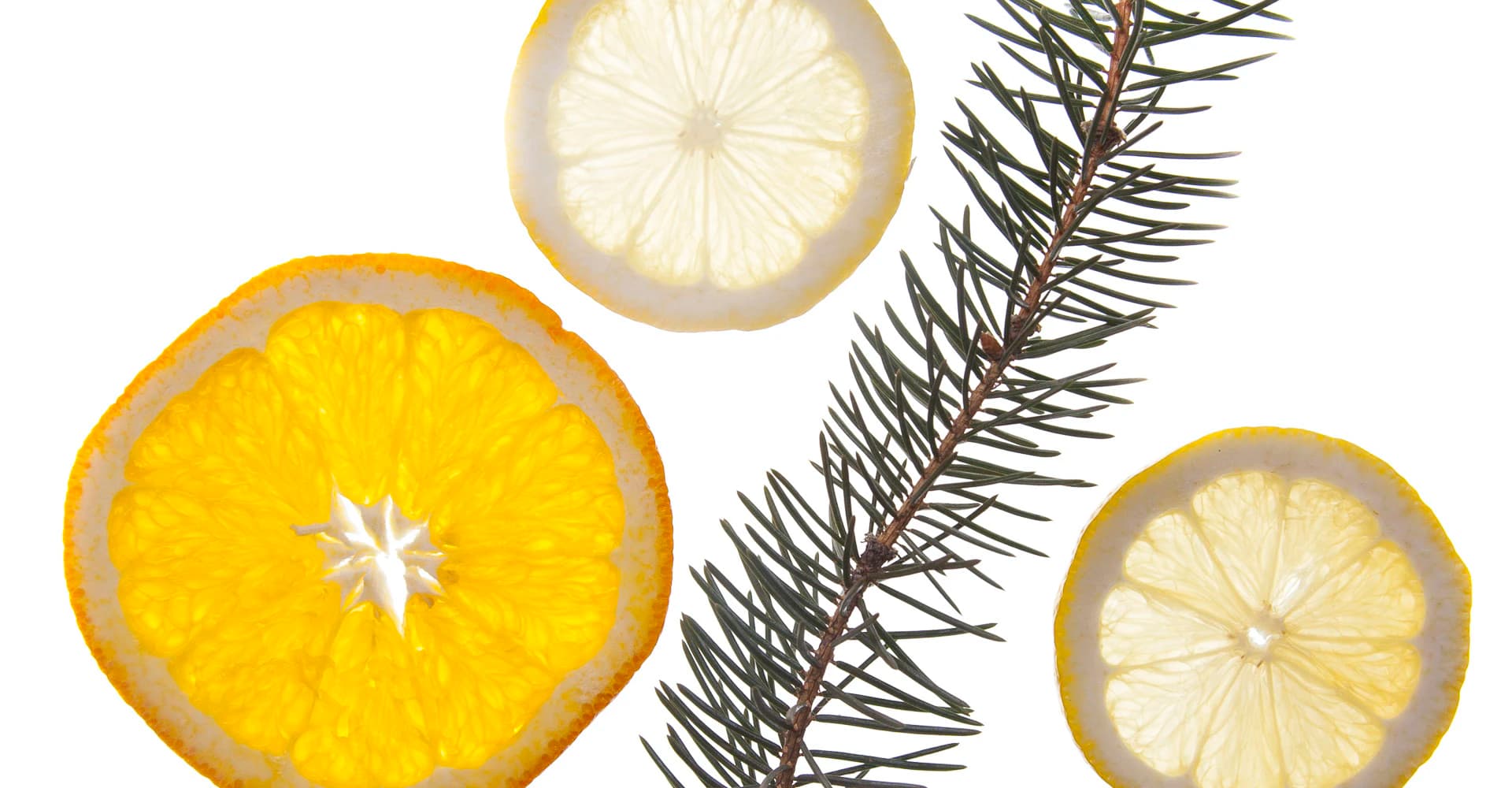
As the market for craft gin expands, distillers are opting for seasonal gin choices that often go hand in hand with a focus on connecting gin to a place—for example, by using local, hand-harvested botanicals. Here, we share some tips on harvesting, storing, and balancing botanicals.
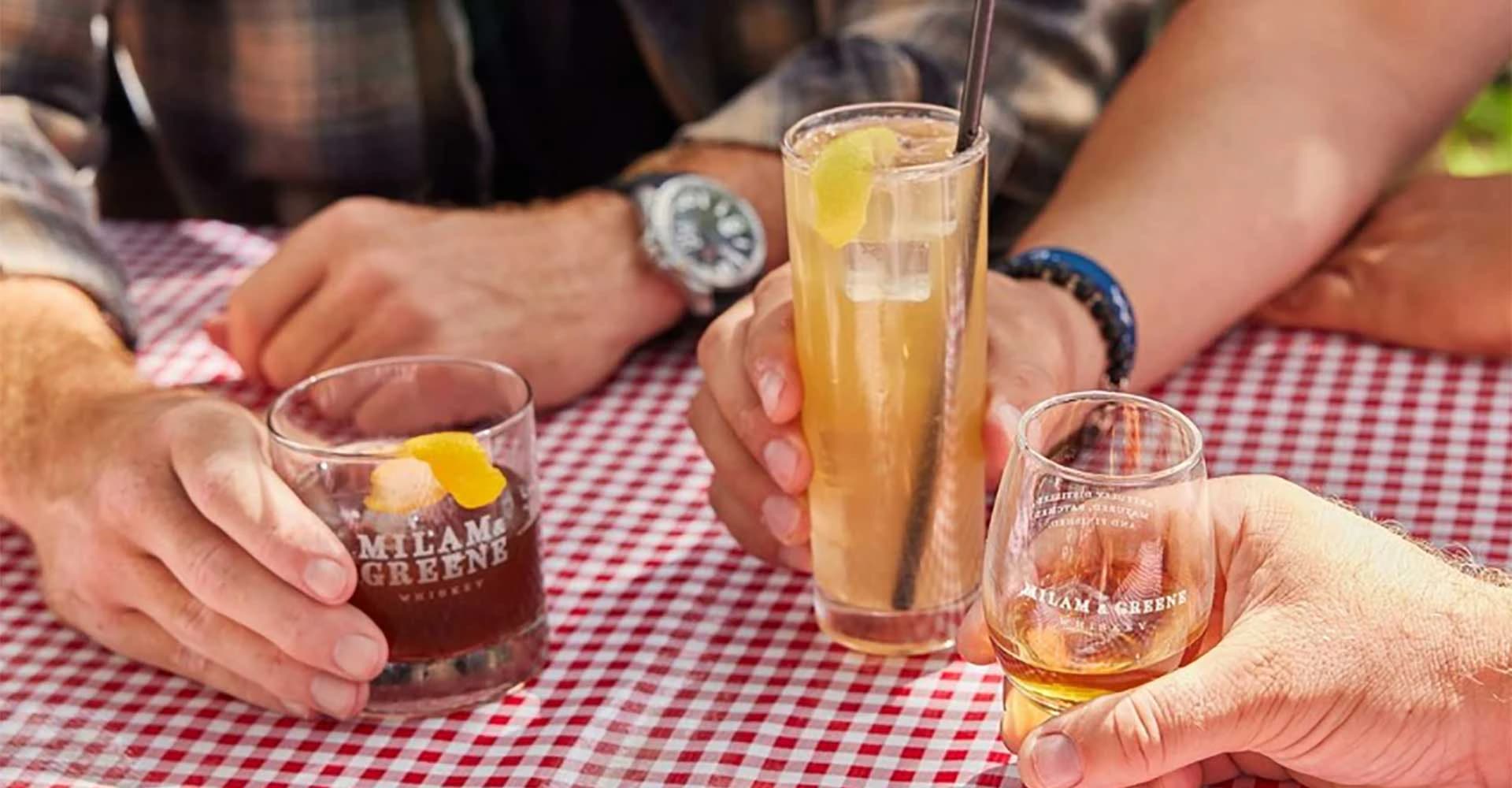
From the pros who make the spirits, here are some surefire ways to mix the spirit-loving dad in your life something special on Father’s Day.
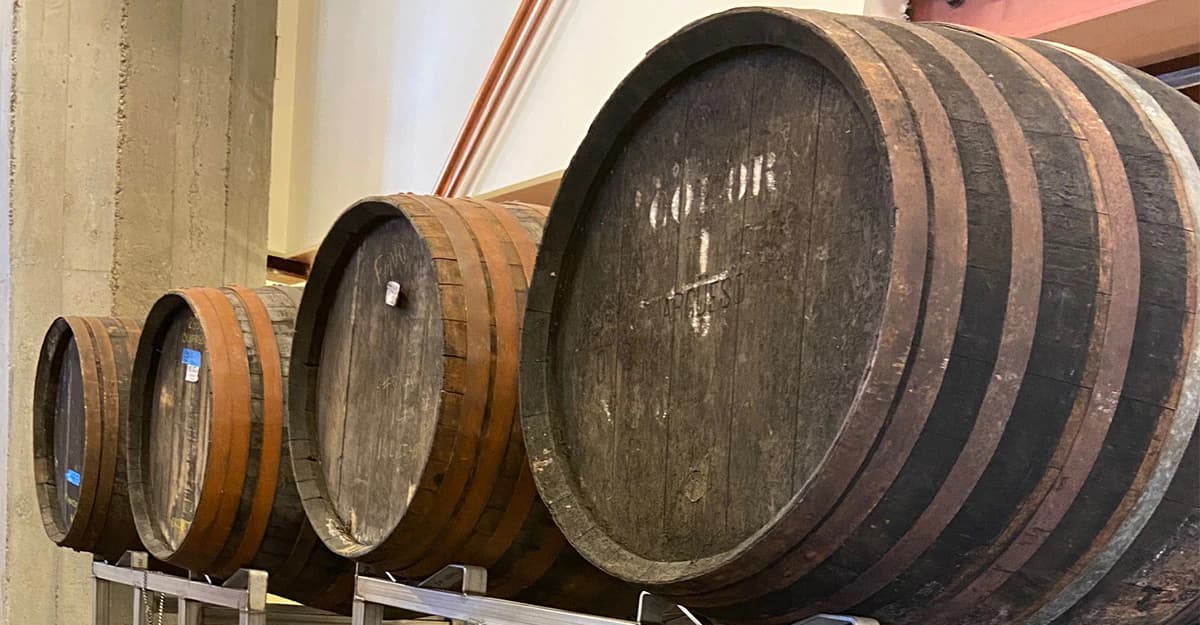
When selecting barrels to finish their spirits, some craft distillers are going against the grain.
Browse every article filed under this tag.