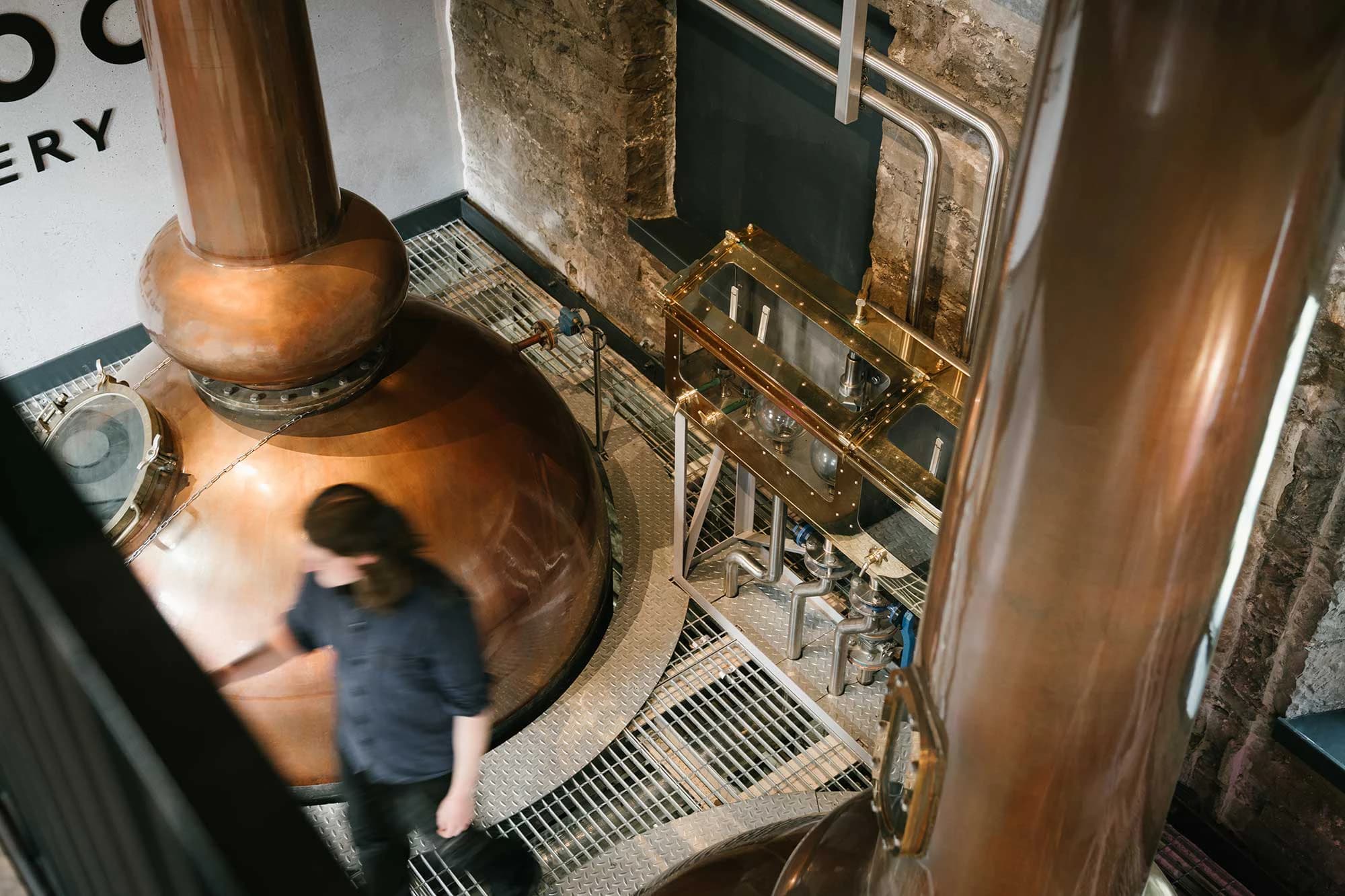
At Scotland’s Holyrood, Great Whiskey Starts with Great Beer
Holyrood Distillery in Edinburgh takes inspiration from the world of craft brewing, charting a new course in the tradition-heavy world of Scotch.

Showing 241-260 of 335 articles
Holyrood Distillery in Edinburgh takes inspiration from the world of craft brewing, charting a new course in the tradition-heavy world of Scotch.

Distilling fruit brandies from whole fruit is a technical and logistical challenge, but for Caitlin Bartlemay, it’s nowhere near as difficult as educating consumers about the process, ingredients, and history of this storied spirit.
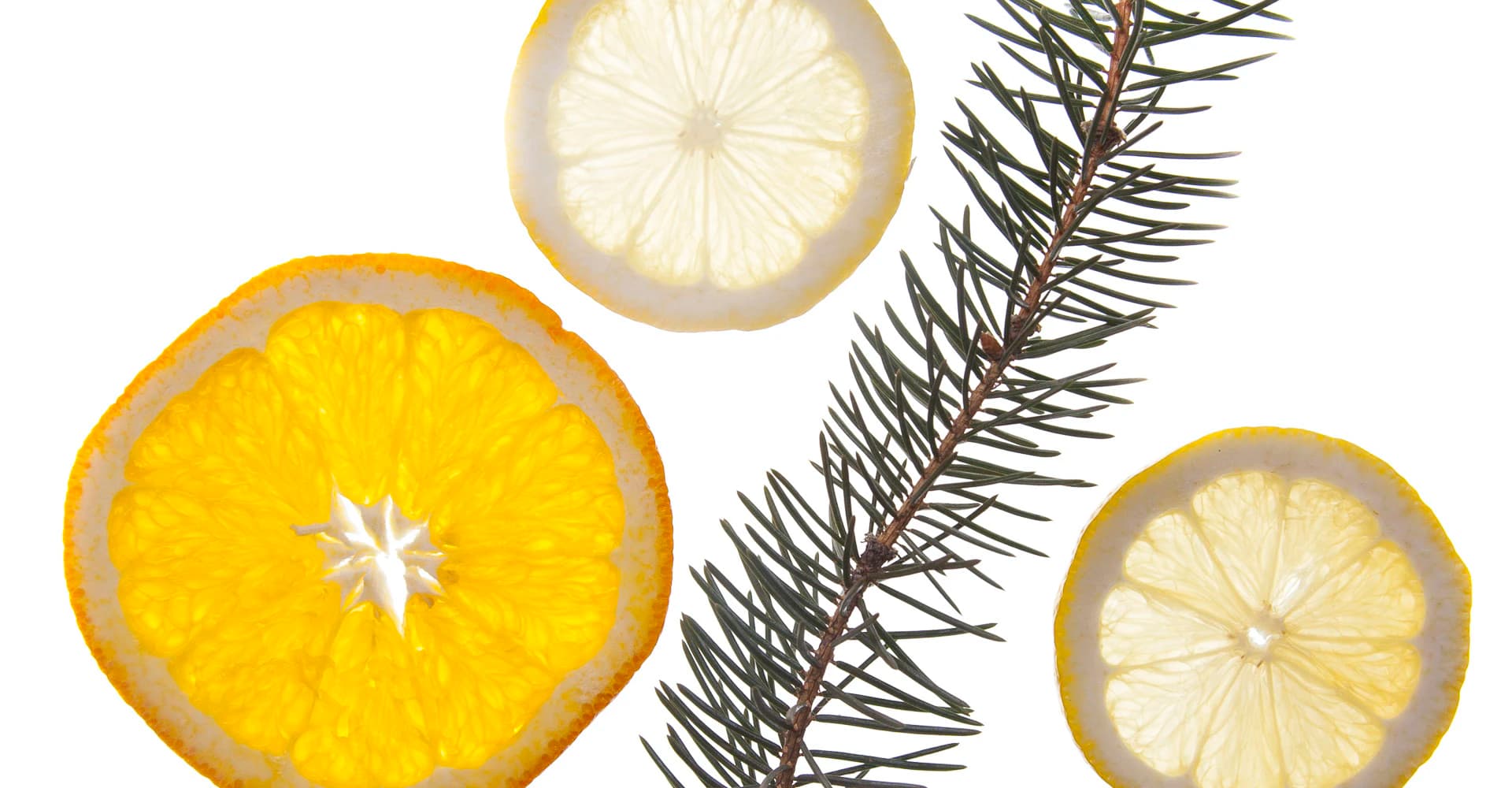
As the market for craft gin expands, distillers are opting for seasonal gin choices that often go hand in hand with a focus on connecting gin to a place—for example, by using local, hand-harvested botanicals. Here, we share some tips on harvesting, storing, and balancing botanicals.
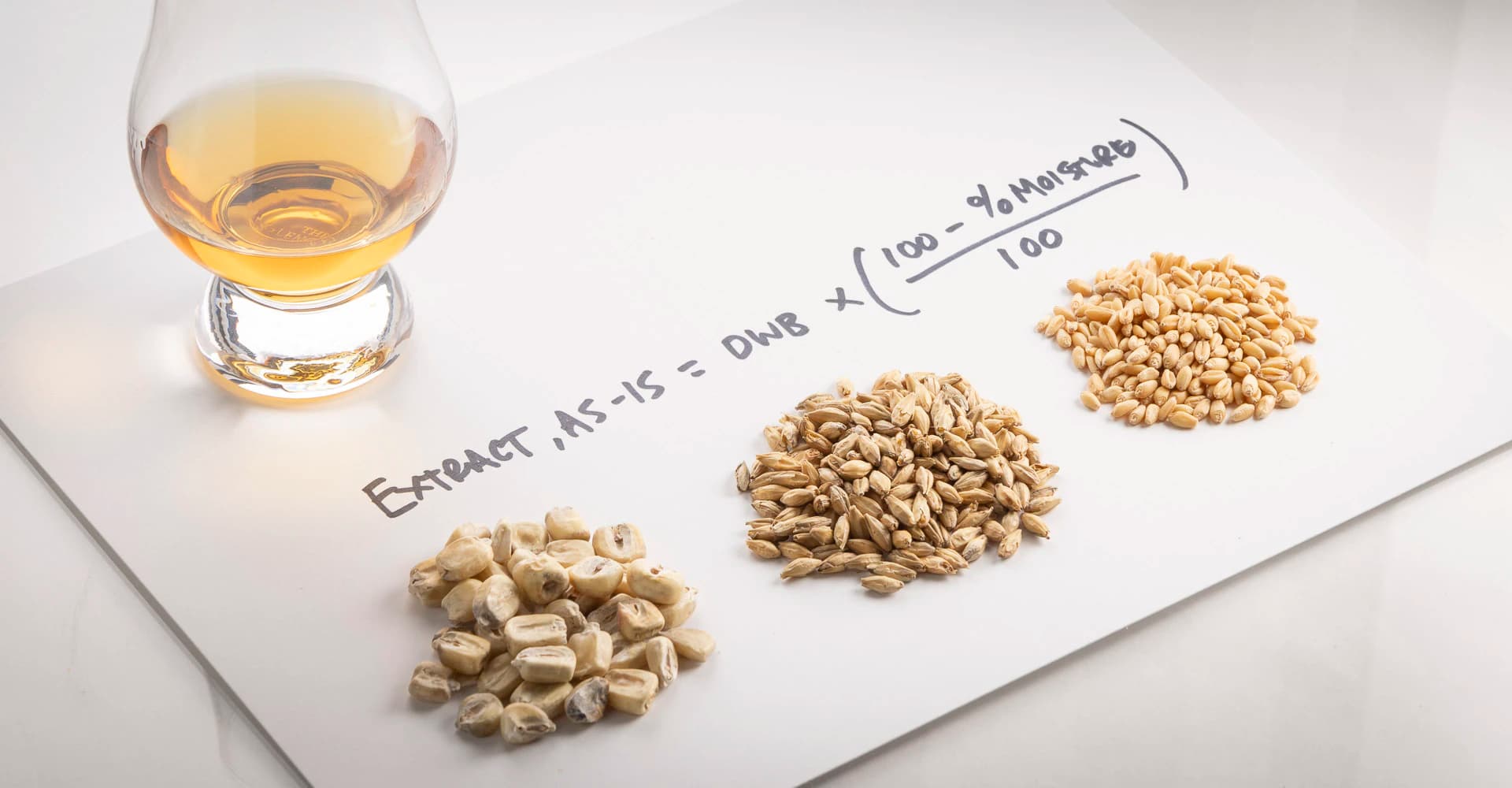
Unless you’re working with a single-grain mash bill, writing a whiskey recipe can be a daunting mental exercise worthy of trip to the therapist. From a master distiller, here are some tips to guide you through the process.
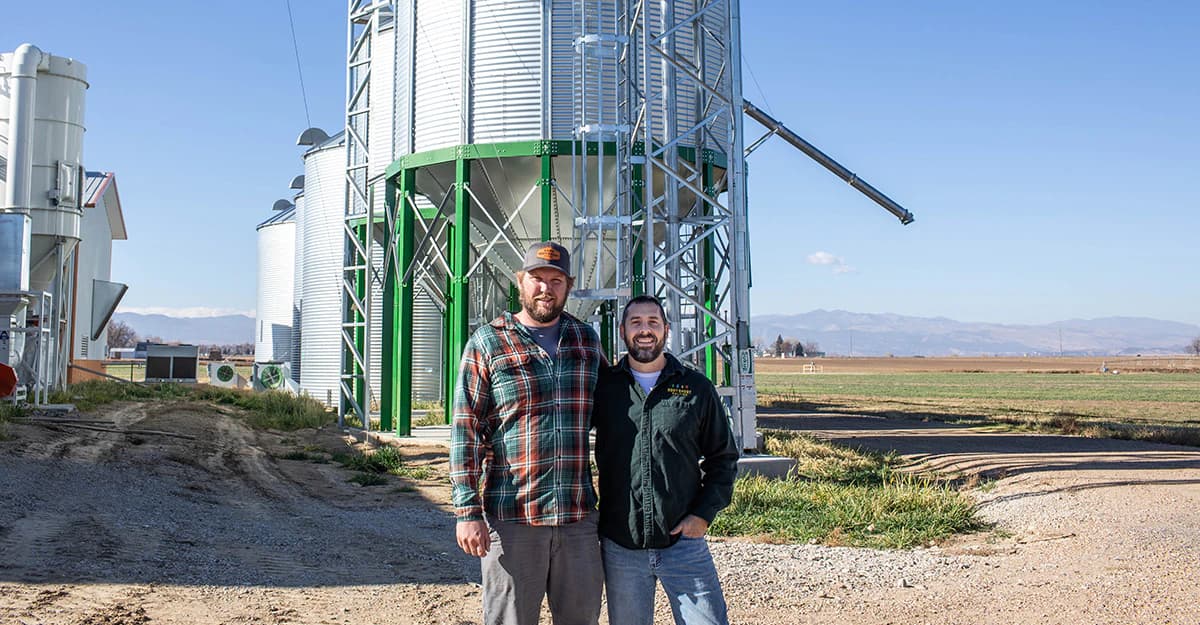
No two barleys are identical, so the maltster must adjust. Root Shoot head maltster Mike Myers explains how different varieties, harvests, and the weather all affect the process of making quality malt for distillers and brewers.
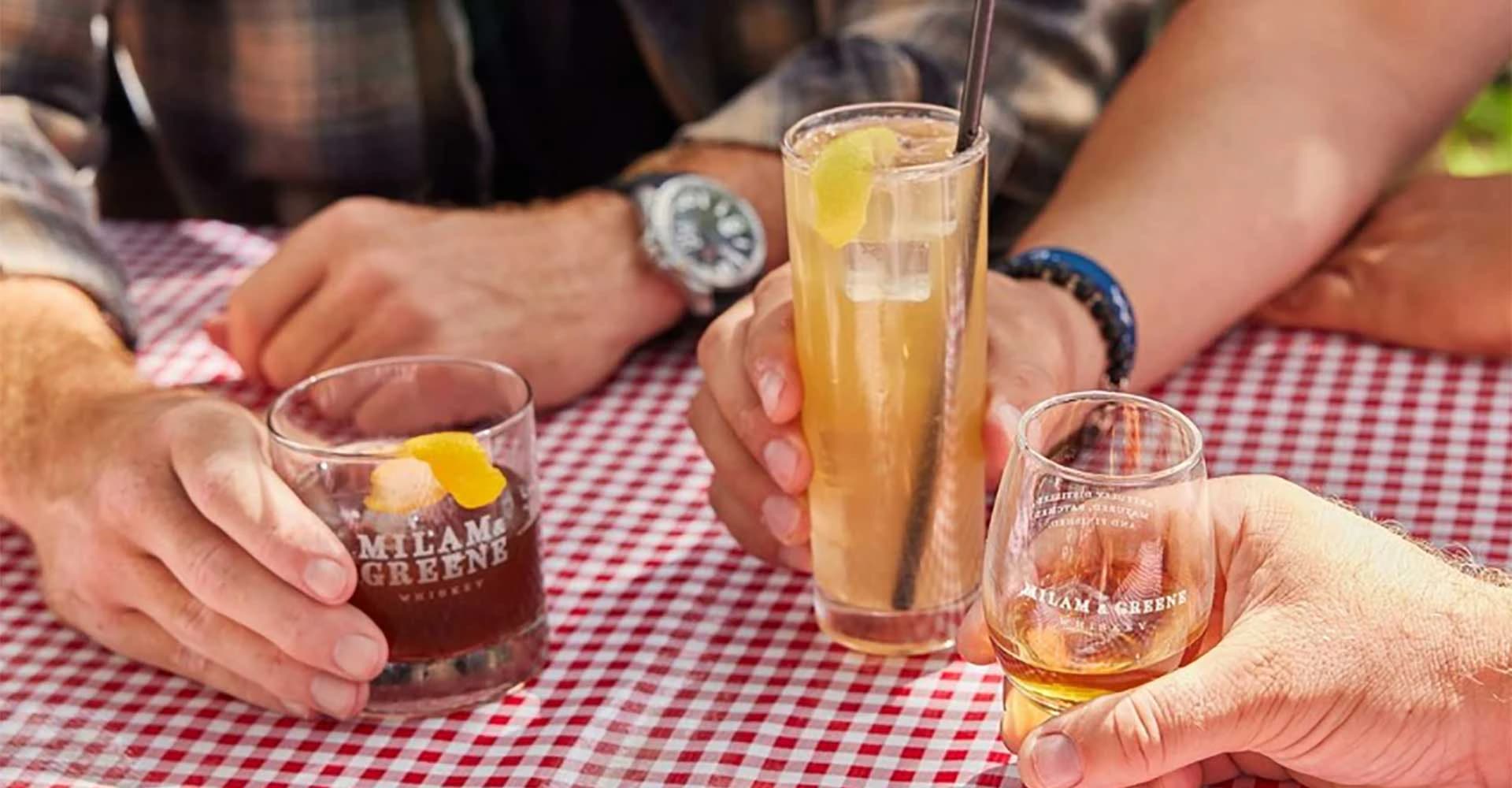
From the pros who make the spirits, here are some surefire ways to mix the spirit-loving dad in your life something special on Father’s Day.

Heaven Hill’s seventh master distiller got his start as a chemical engineer before finding his way into whiskey. Now, Conor O’Driscoll is leading the storied distillery’s next chapter, as they build and commission the new Heaven Hill Springs distillery, and as they tackle new processes for making their beloved brands.
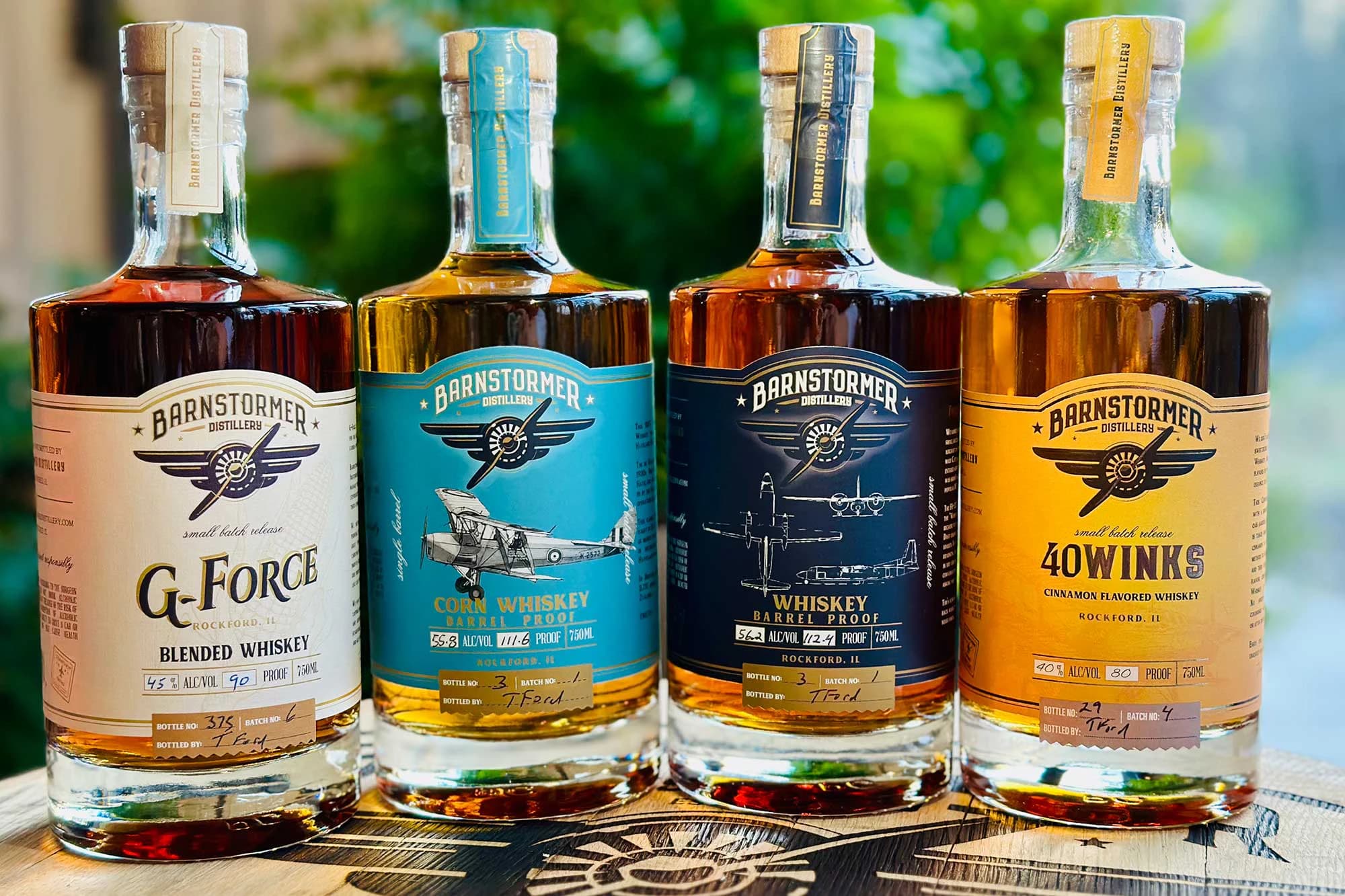
If you’ve built your distilling business to last, there will come a day to breathe new life into the brand and update its look. The first trick is in knowing when that day has come—then comes the soul-searching.
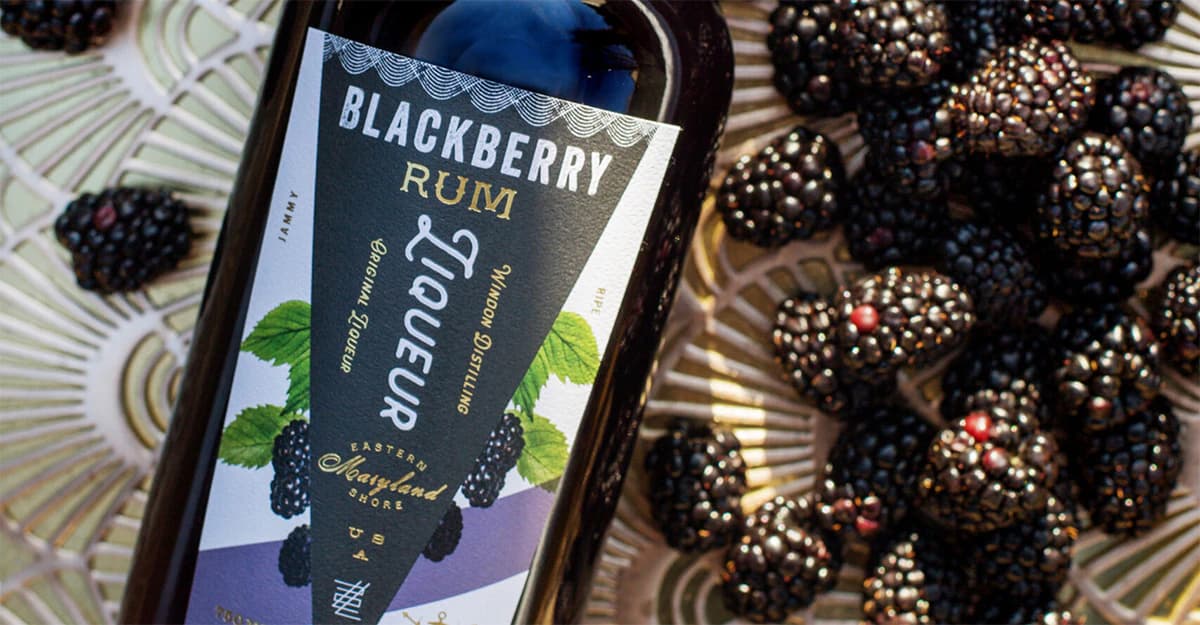
Never mind the haters. Rum infusions represent an opportunity to win fans by adding flavor and complexity to an often-overlooked category.
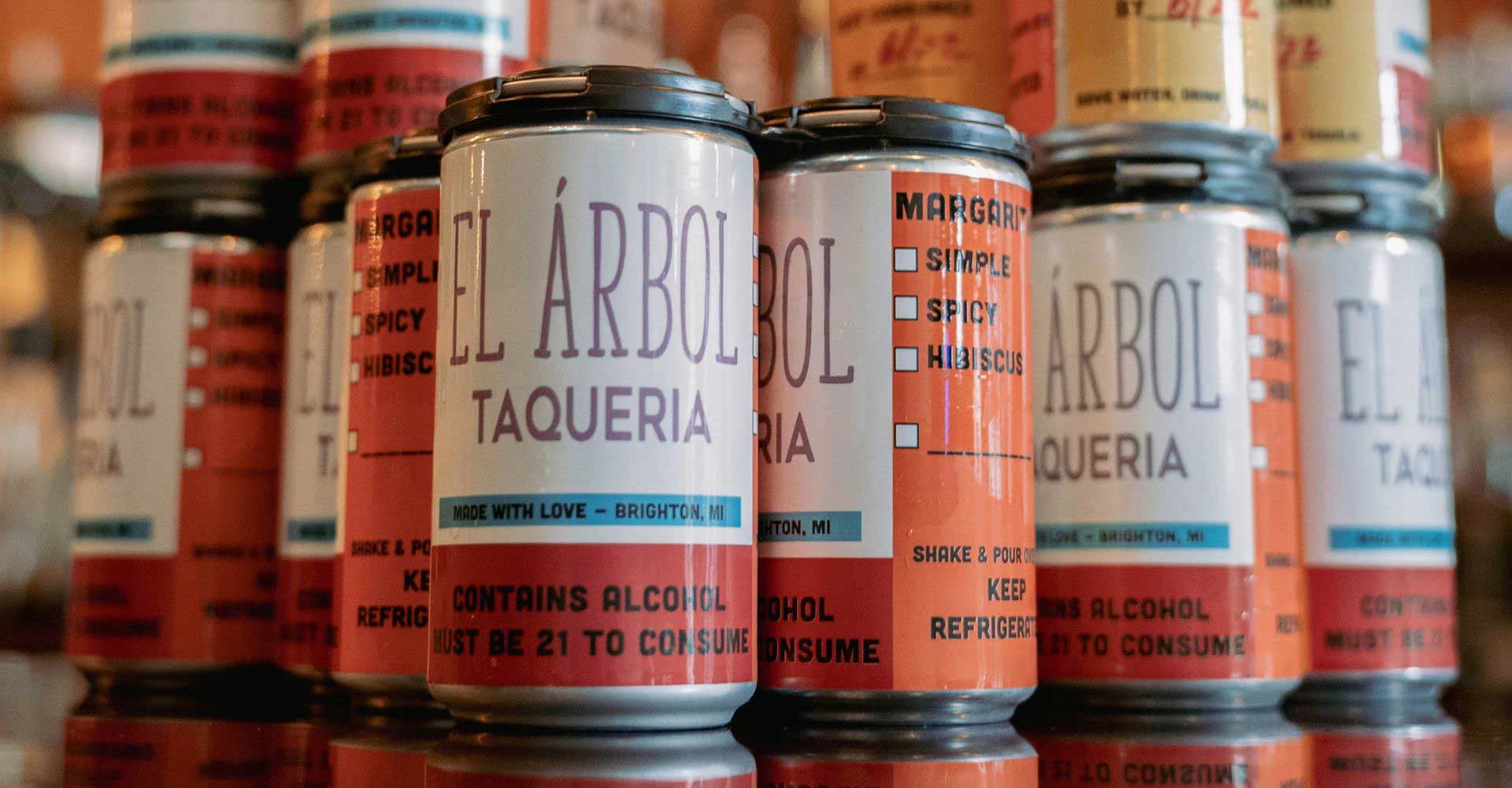
The ready-to-drink cocktail industry is exploding, offering a new era of innovation for those looking for lighter, more drinkable beverages. Giving your craft cocktails a life outside the distillery can create a significant source of revenue and increase your brand awareness. And getting started is simpler than you think.

The self-styled maker of “irrational fever dreams” and “peasant indulgences” shares his principled yet technical approach to making spirits from unusual ingredients such as carrots, ramen noodles, and more.
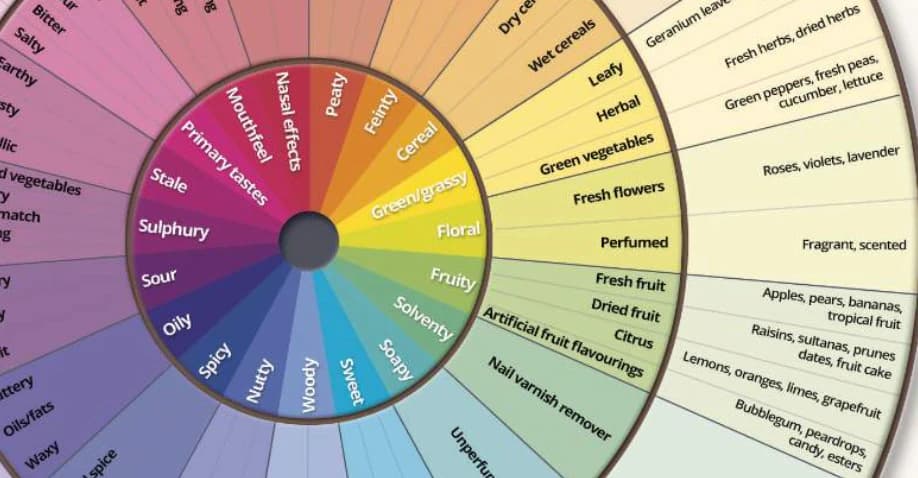
It can be time-consuming and expensive to establish and train a well-run descriptive tasting panel—but it’s a powerful tool for craft distillers to assess their products for flavor, aroma, and consistency.
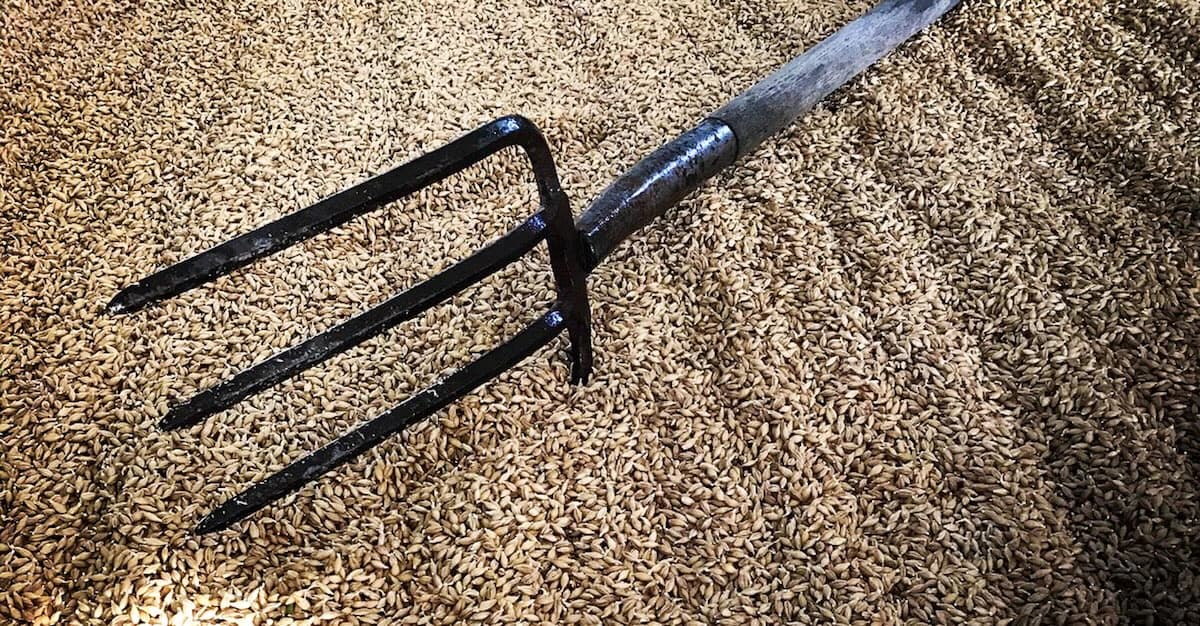
A recognized carcinogen occurs in most domestic malted barley—but careful distillers can avoid it. Here’s what to know.
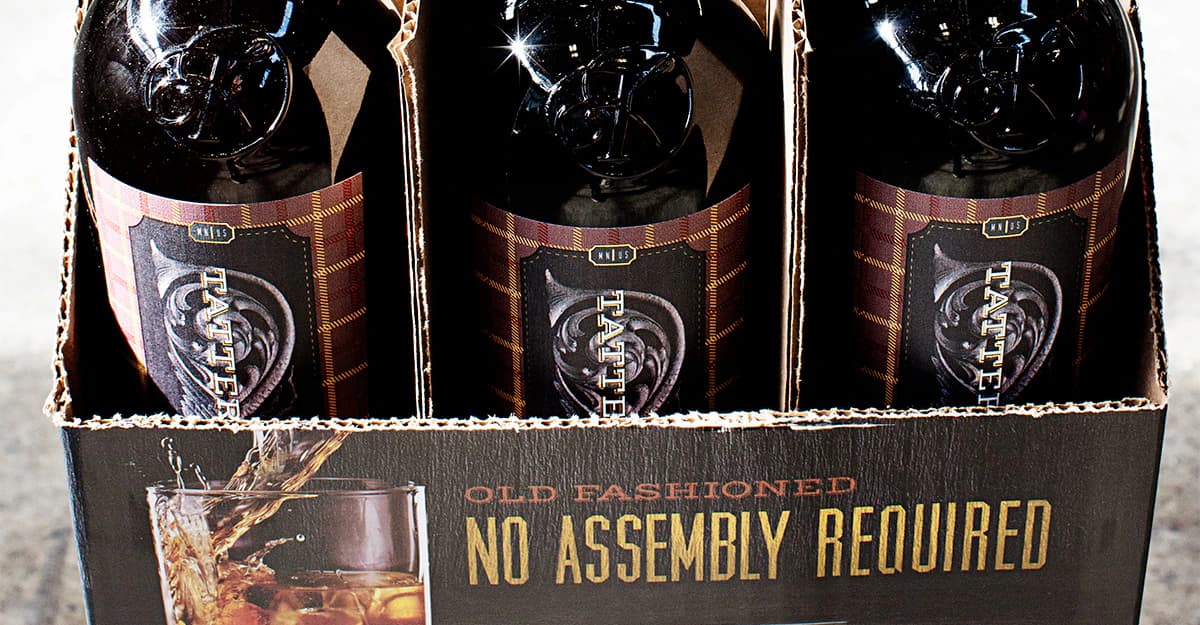
Releasing your tasting room’s Manhattan or old fashioned as an RTD isn’t as simple as scaling up and bottling the recipe. Here’s some advice from two craft distilleries on how to do it successfully.
Here’s how to celebrate Mother’s Day in a way that befits a distiller.
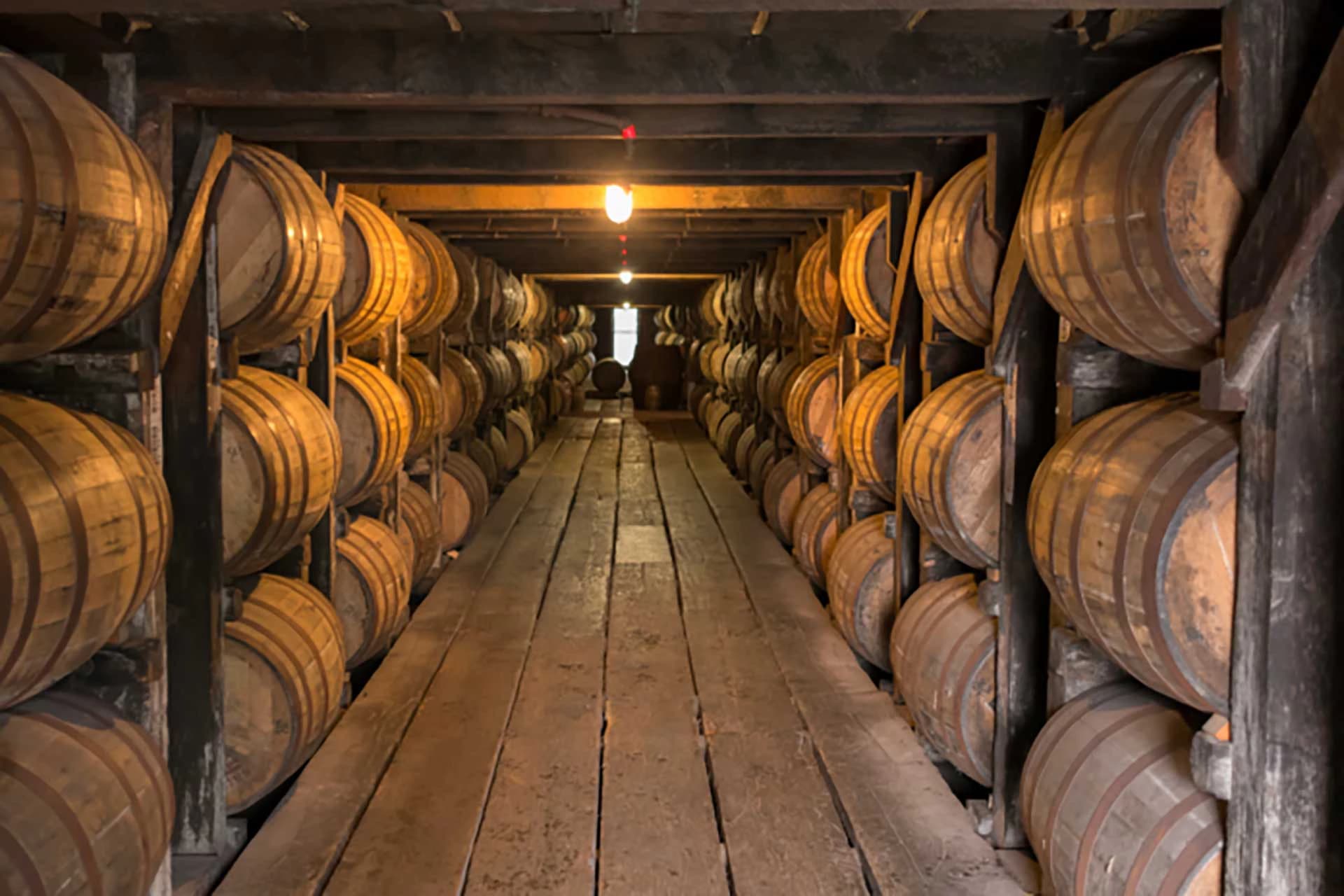
From whiskey to gin, rum to vodka, distilleries craft liquids that captivate our senses. Behind it all is a complex challenge: accurately forecasting consumer demand. Modern production software can change forecasting for the better.
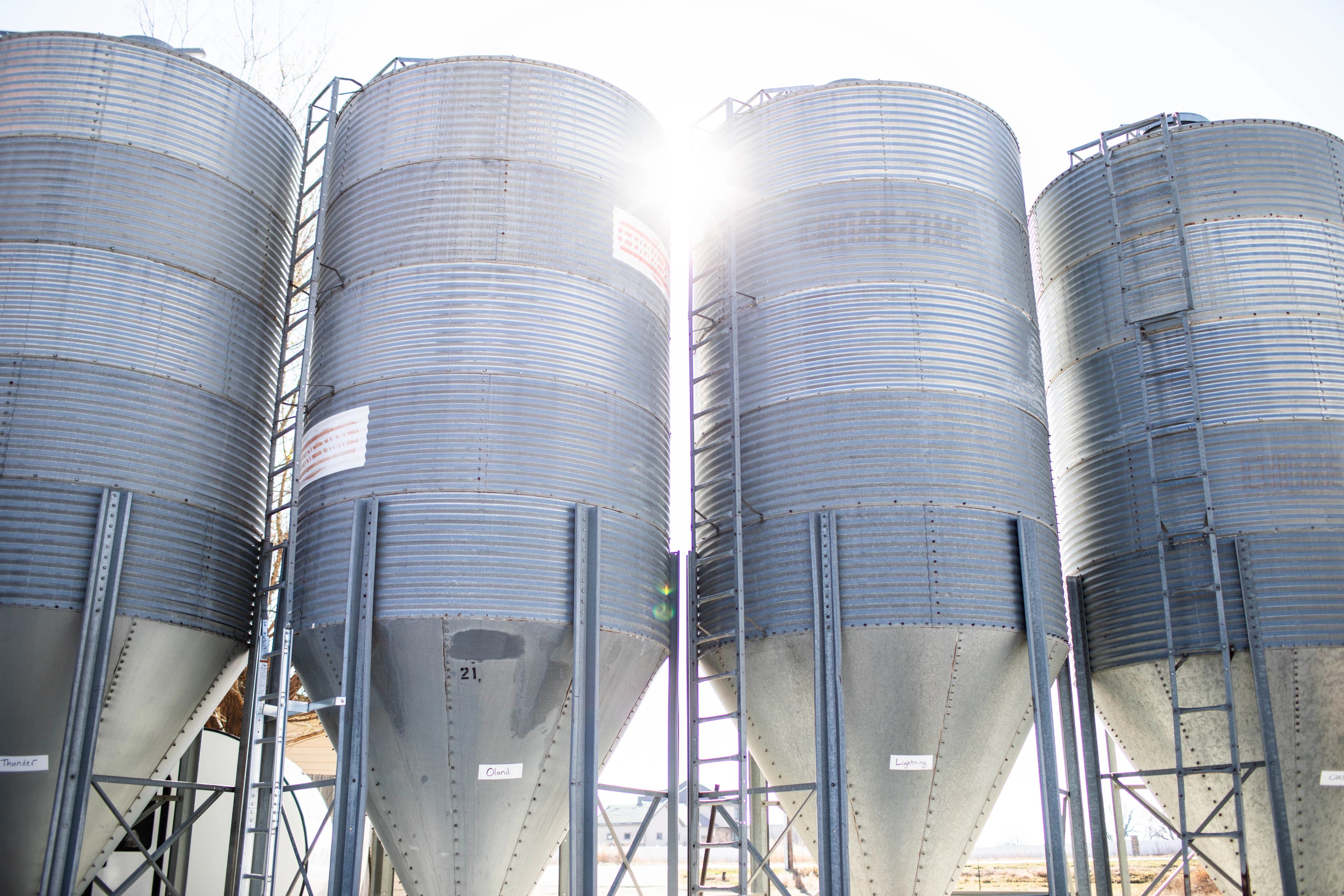
Root Shoot founder Todd Olander explains what they look for when selecting varieties and growing corn for craft distillers.

The advanced software capabilities that distillers can access with Encompass Production Cloud enhance their craft, position them for growth, and provide deeper analytics on how to operate more efficiently.
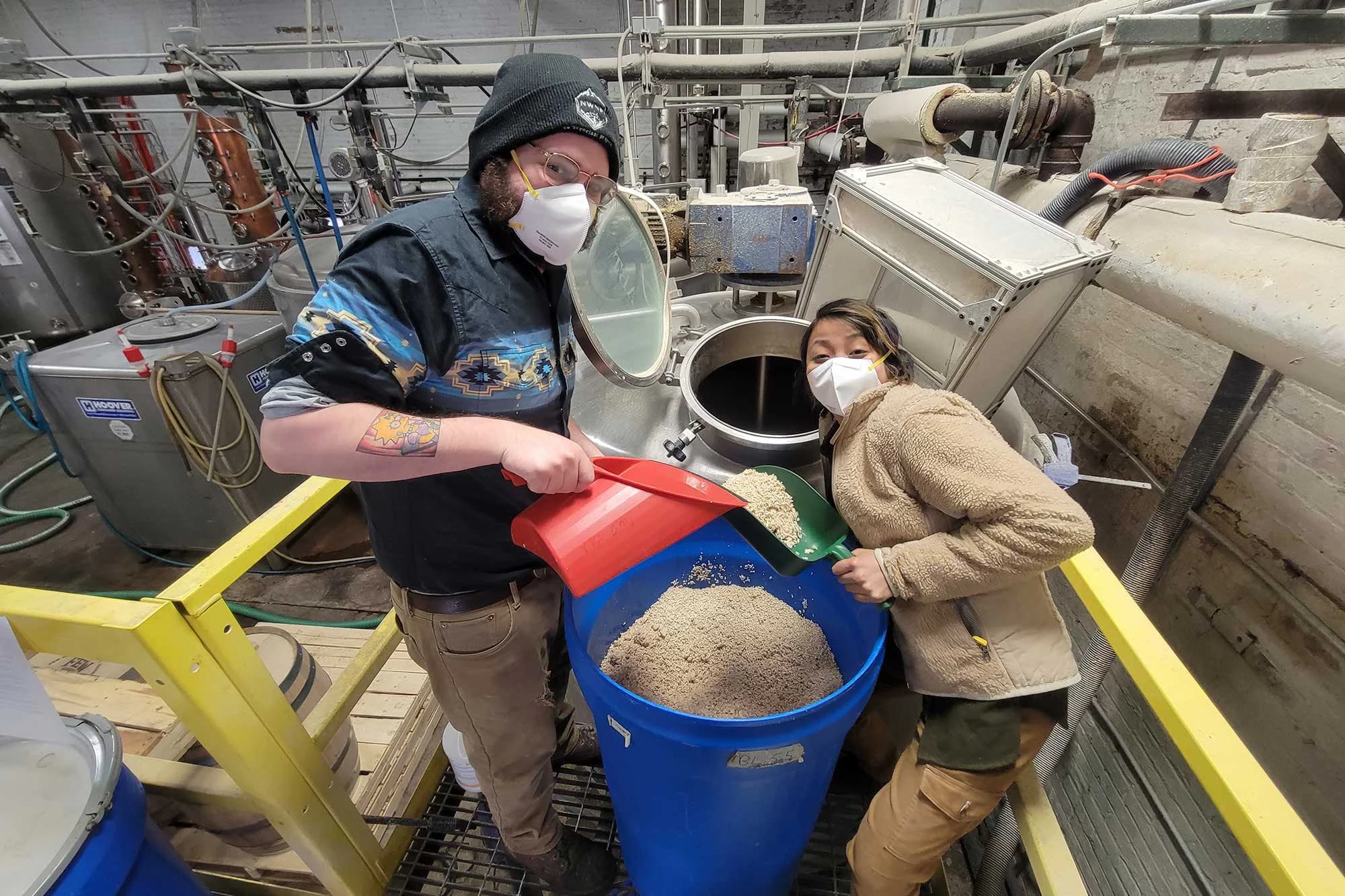
As small, independent distillers find more curious consumers, they’re learning how to communicate the technical side of their craft—and it’s driving interest in their spirits.

What’s left to do in the world of whiskey? Plenty, if you ask FEW Spirits director of operations Riley Henderson. For him, the secret lies in embracing slower, more flavorful fermentations.