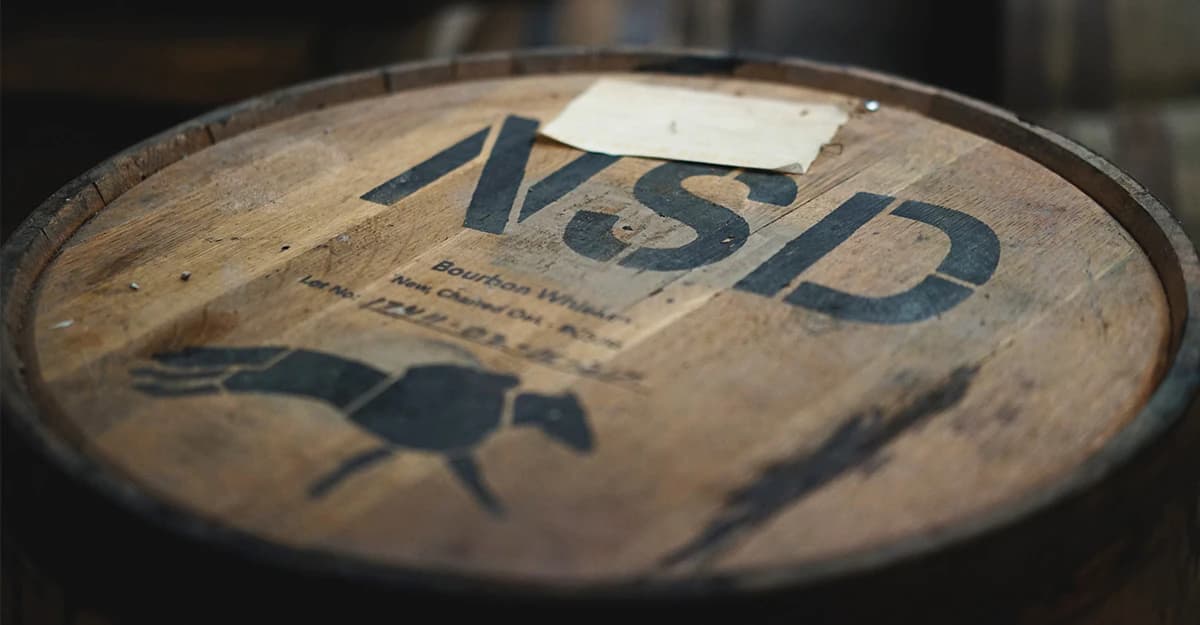
The “English” Bourbon Making (and Riding) Waves Across the Atlantic
Never Say Die raced out of the gate to win a major prize. But how, exactly, does one make an “English” bourbon?

Showing 261-280 of 335 articles
Never Say Die raced out of the gate to win a major prize. But how, exactly, does one make an “English” bourbon?
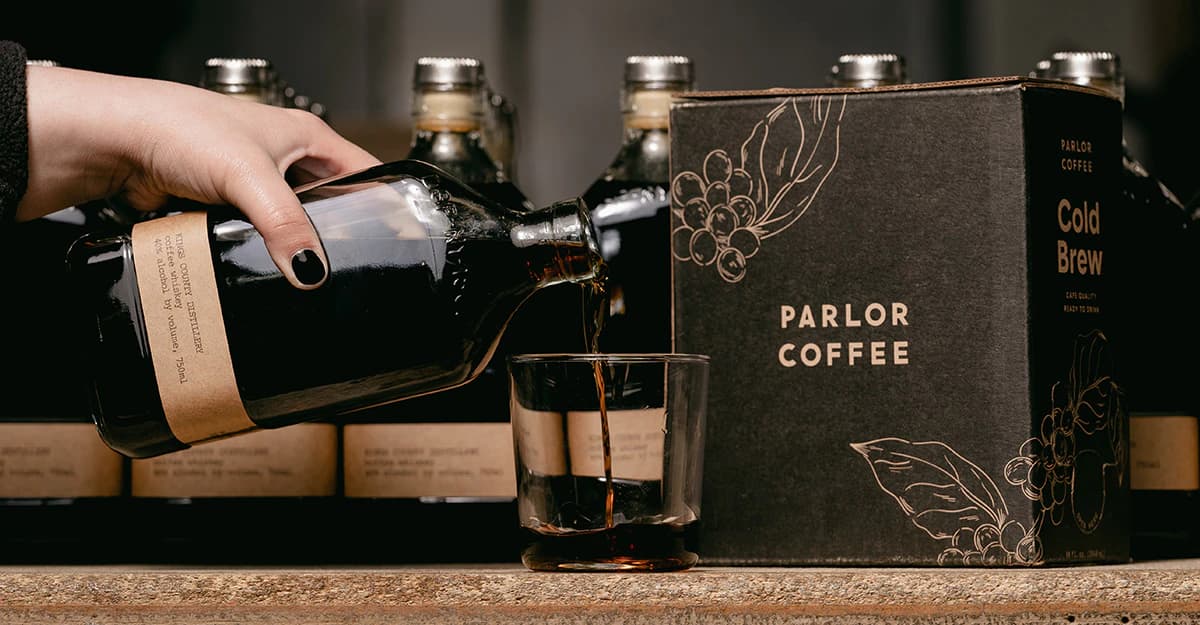
The classic espresso martini is only one example of a happy marriage between coffee and alcohol. Here are some different ways that craft distilleries are incorporating coffee into their spirits and liqueurs.
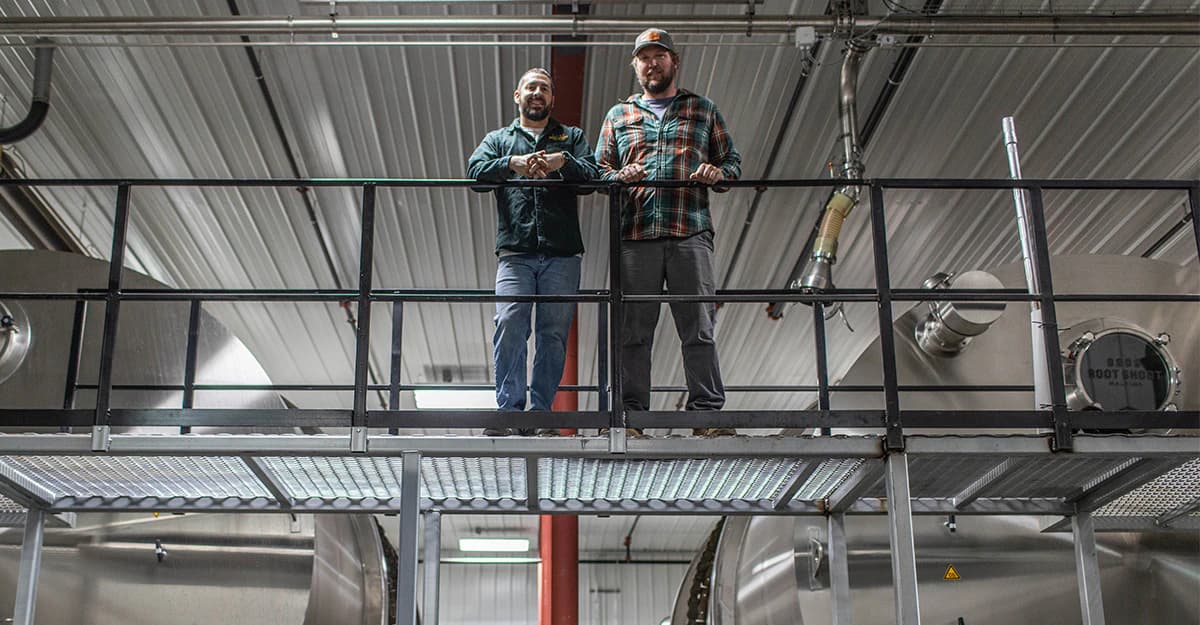
Root Shoot founder Todd Olander and head maltster Mike Myers discuss working with farmers and using their senses to get the best grains they can to make high-quality malts for distillers and brewers.
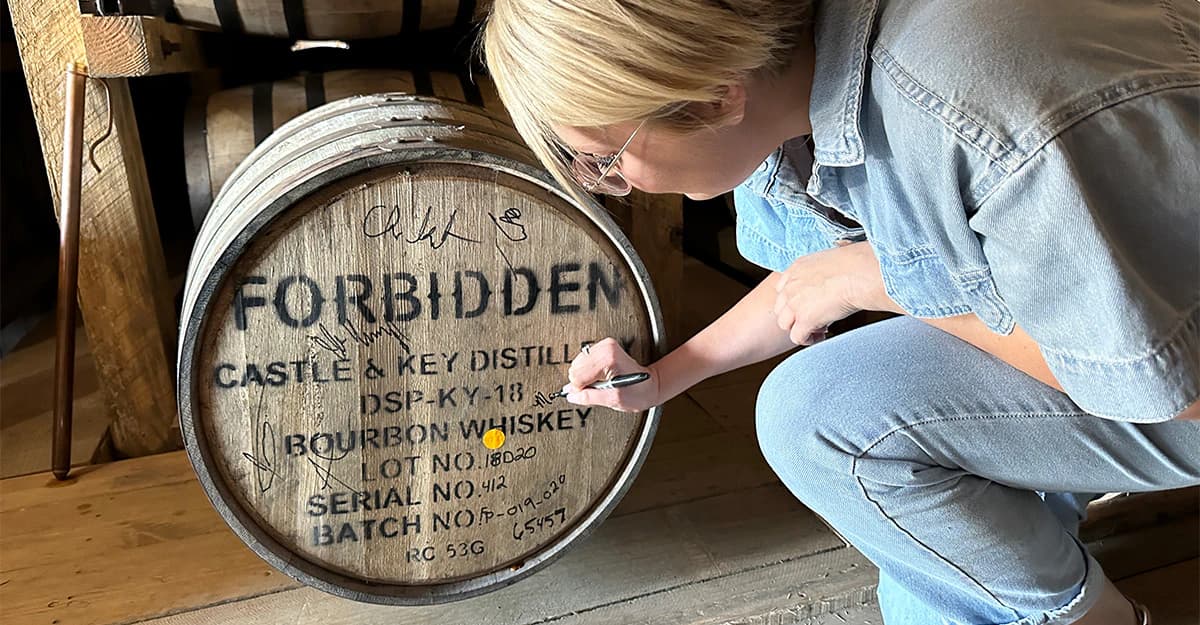
Blending on the small-batch scale, craft-whiskey makers have limitations that the bigger producers don’t have—but they also have distinct advantages. Heeding advice from accomplished blenders, let’s look closer at how to blend whiskeys mindfully, with art and with purpose.
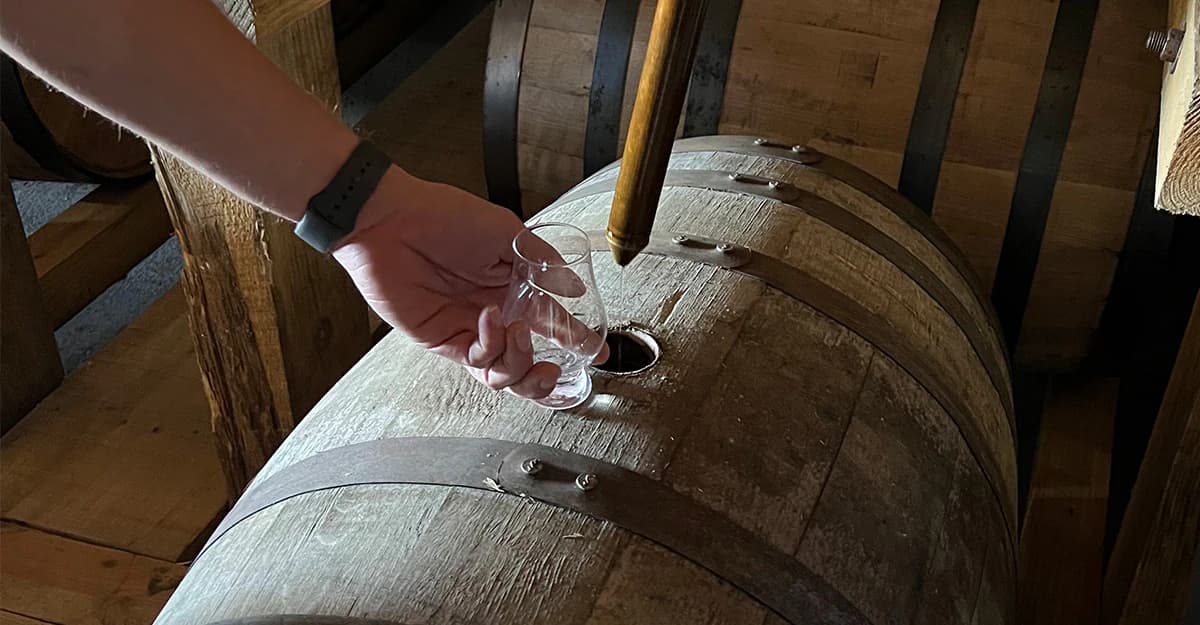
Thoughtfully applying the science and craft of blending offers an avenue for distilleries to elevate their products—but it begins with a serious devotion to sensory analysis.

Reade Huddleston’s career has bounced back and forth between the brewing and distilling worlds, picking up valuable lessons along the way. Here, he shares important perspectives on packaging RTDs for long-term stability, understanding the impact of water chemistry throughout the distilling process, and more.
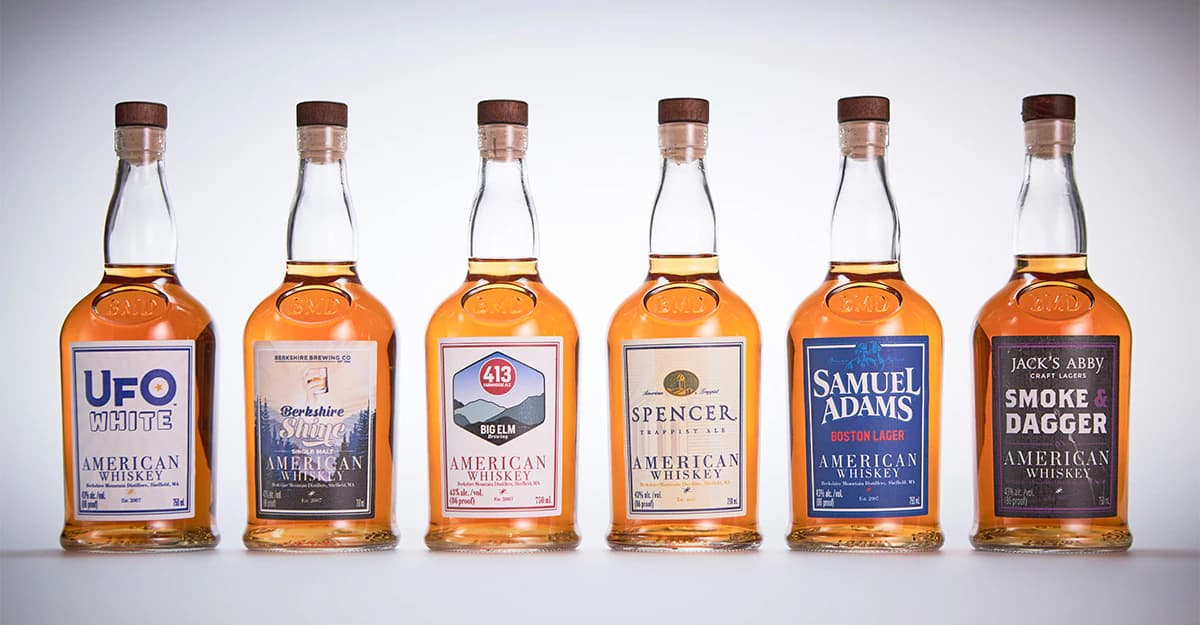
William Winn, operations manager at Berkshire Mountain Distillers in Sheffield, Massachusetts, explains how they got into making whiskey out of beer—eventually leading to their Craft Brewers Whiskey Project—and what they’ve learned from the process. As told to Ryan Pachmayer.
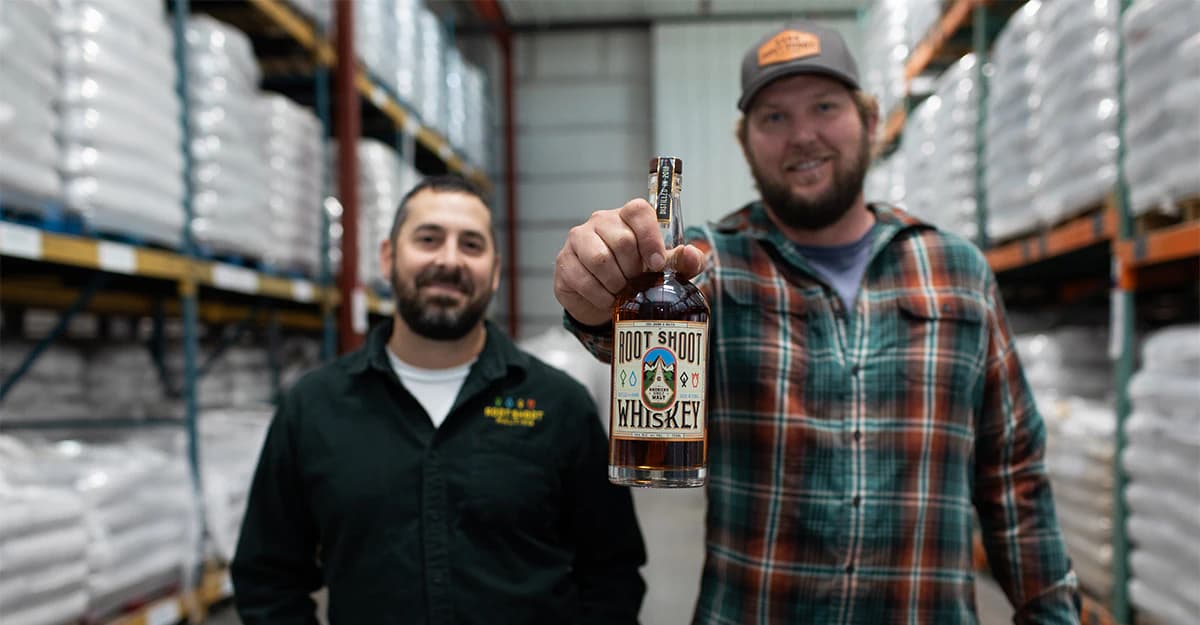
Root Shoot founder Todd Olander and head maltster Mike Myers describe the slow, careful germination process and the kilning temperatures involved in producing high-quality malt for distillers.

While there are limitations—and scoring high on likeability is no guarantee that a product will succeed—properly conducted hedonic testing can be a powerful tool for distillers and others in the beverage business.
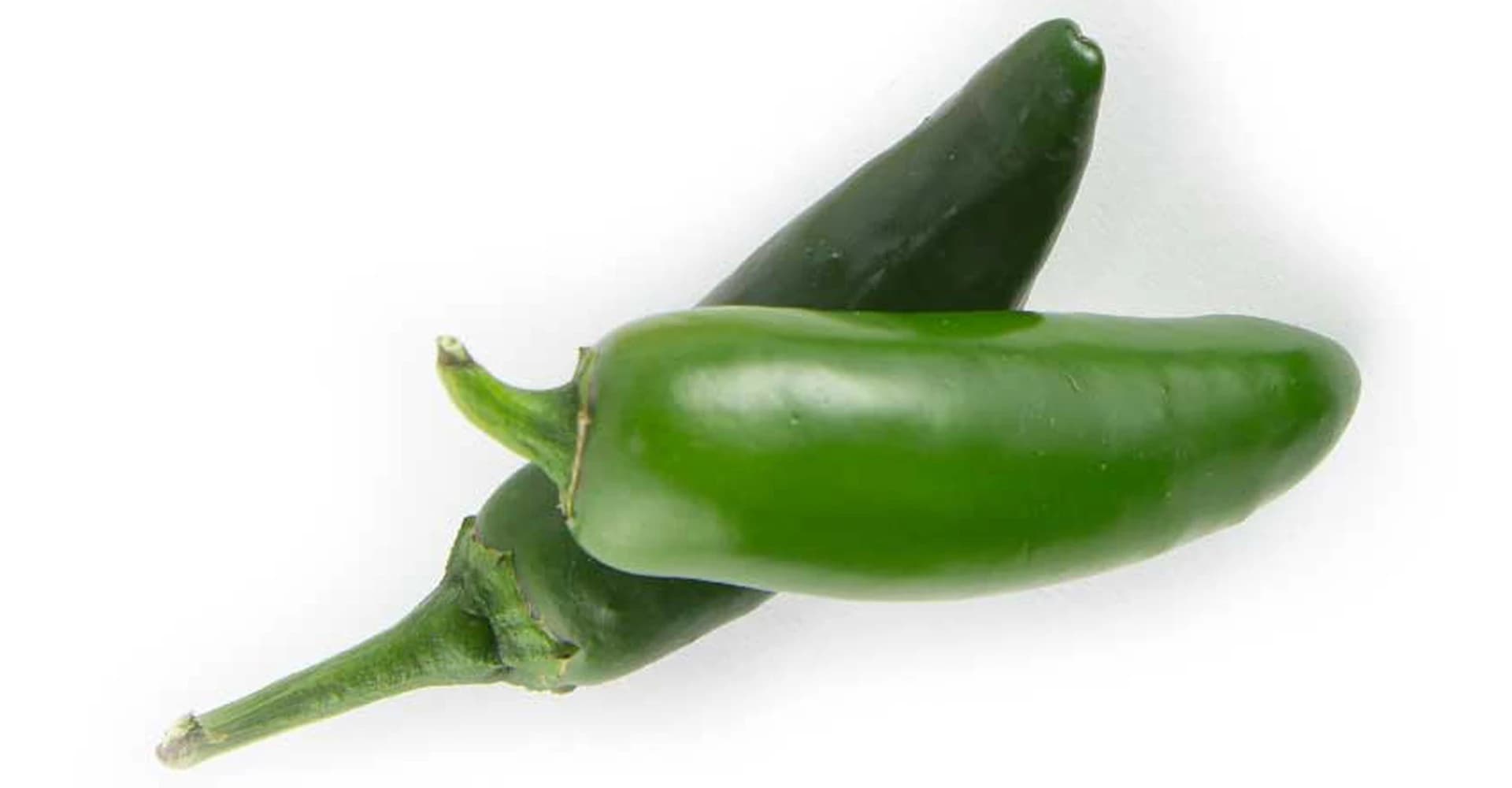
From mild but aromatic bells to fiery chiles, peppers in spirits can be an outlet for a distiller’s creativity while delivering a wide range of distinctive flavors.
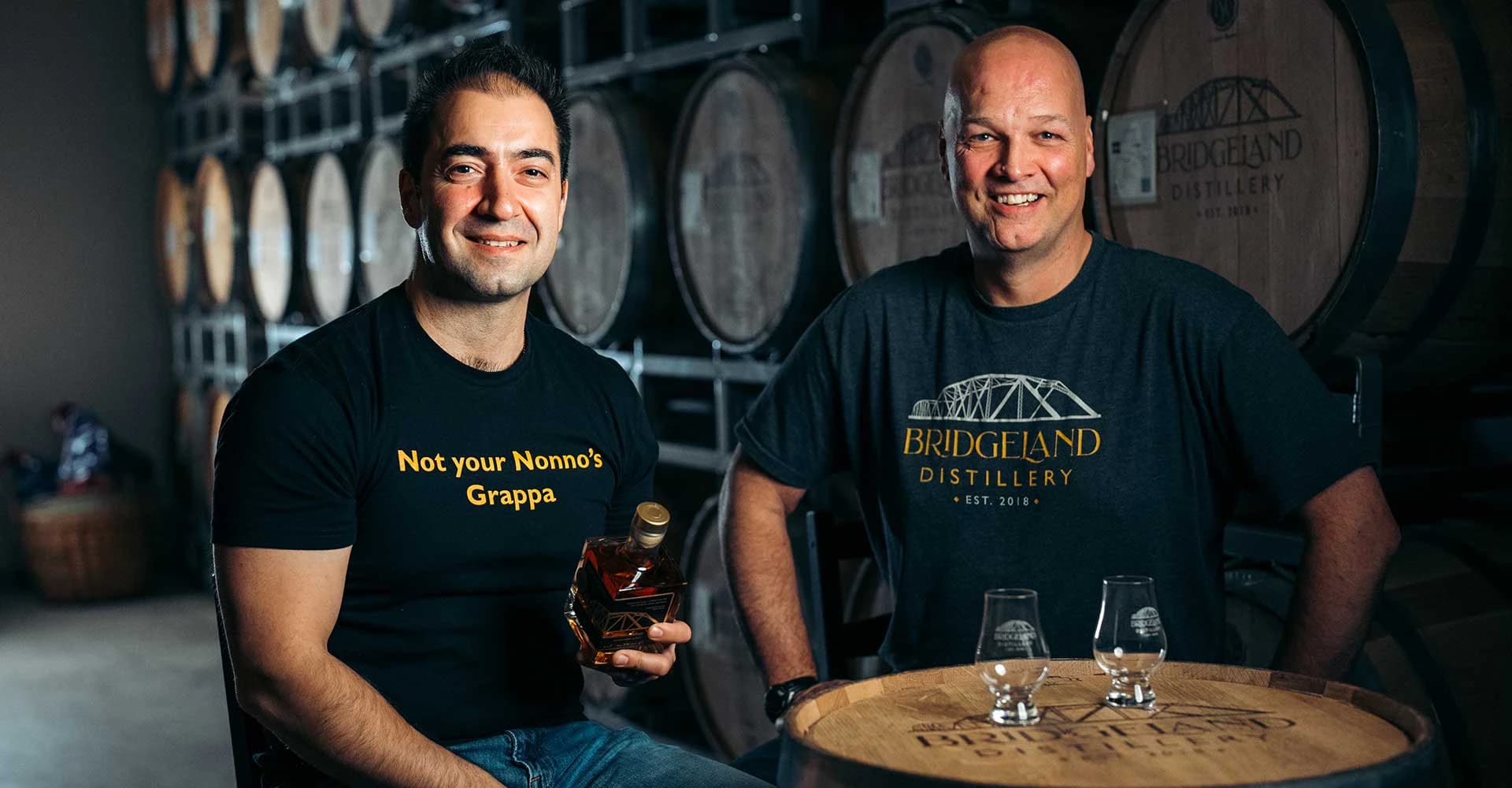
From whiskeys whose grains they can trace to specific Alberta fields to a wine program that feeds ports, brandies, and grappa, Bridgeland Distillery’s DIY flywheel is gaining momentum.

The former president and master distiller for Brooklyn’s Widow Jane took a circuitous route before ending up in distilling, but the lessons in blending, flavor development, and agricultural integration she picked up along the way have informed her approach to distilled spirits to this day.
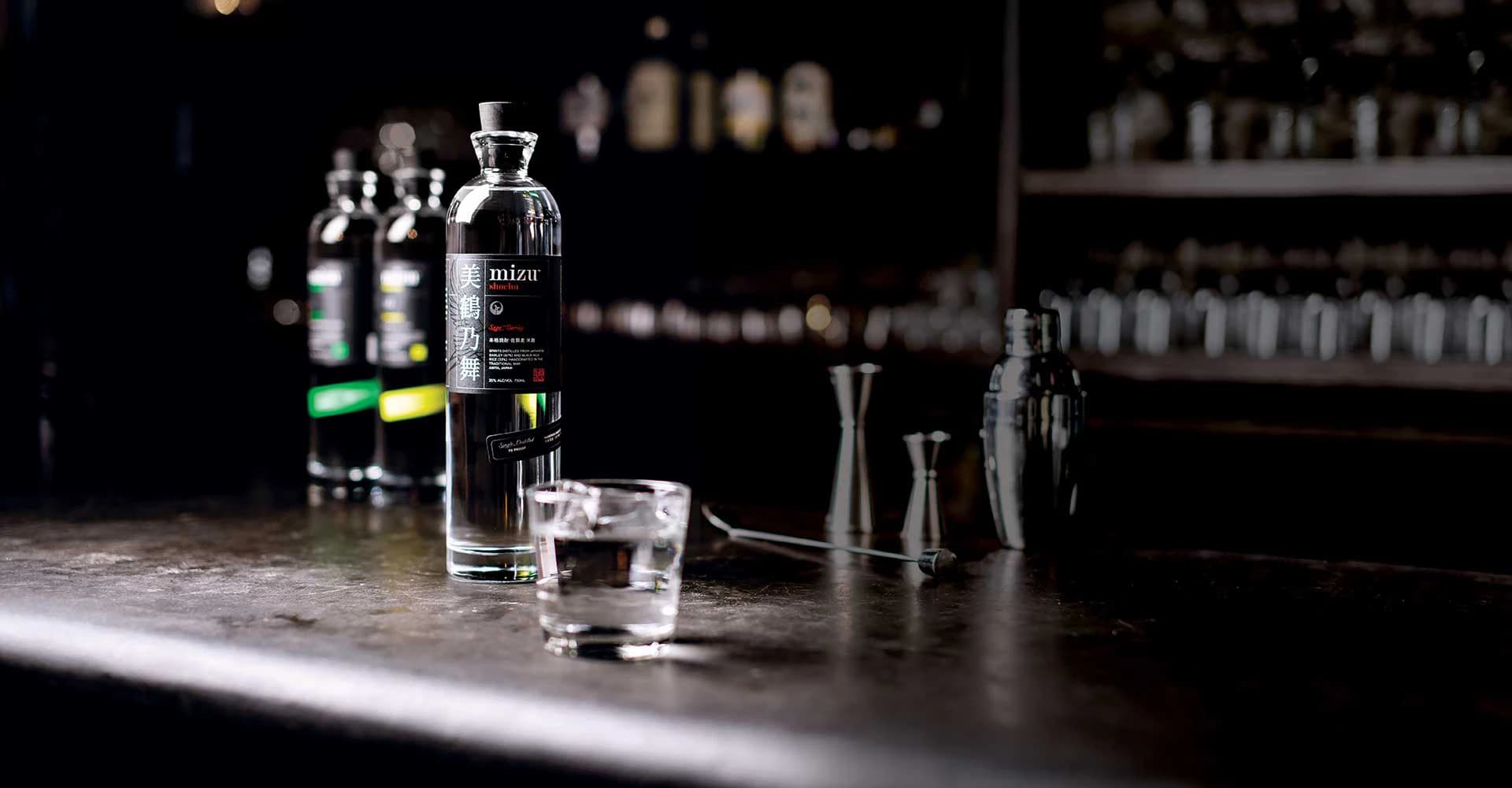
In the second of two articles on the making of soju and shochu, we take a closer look at the all-important koji mold, and we hear from three different producers of shochu—the light spirit that’s been outselling sake in Japan since 2003.
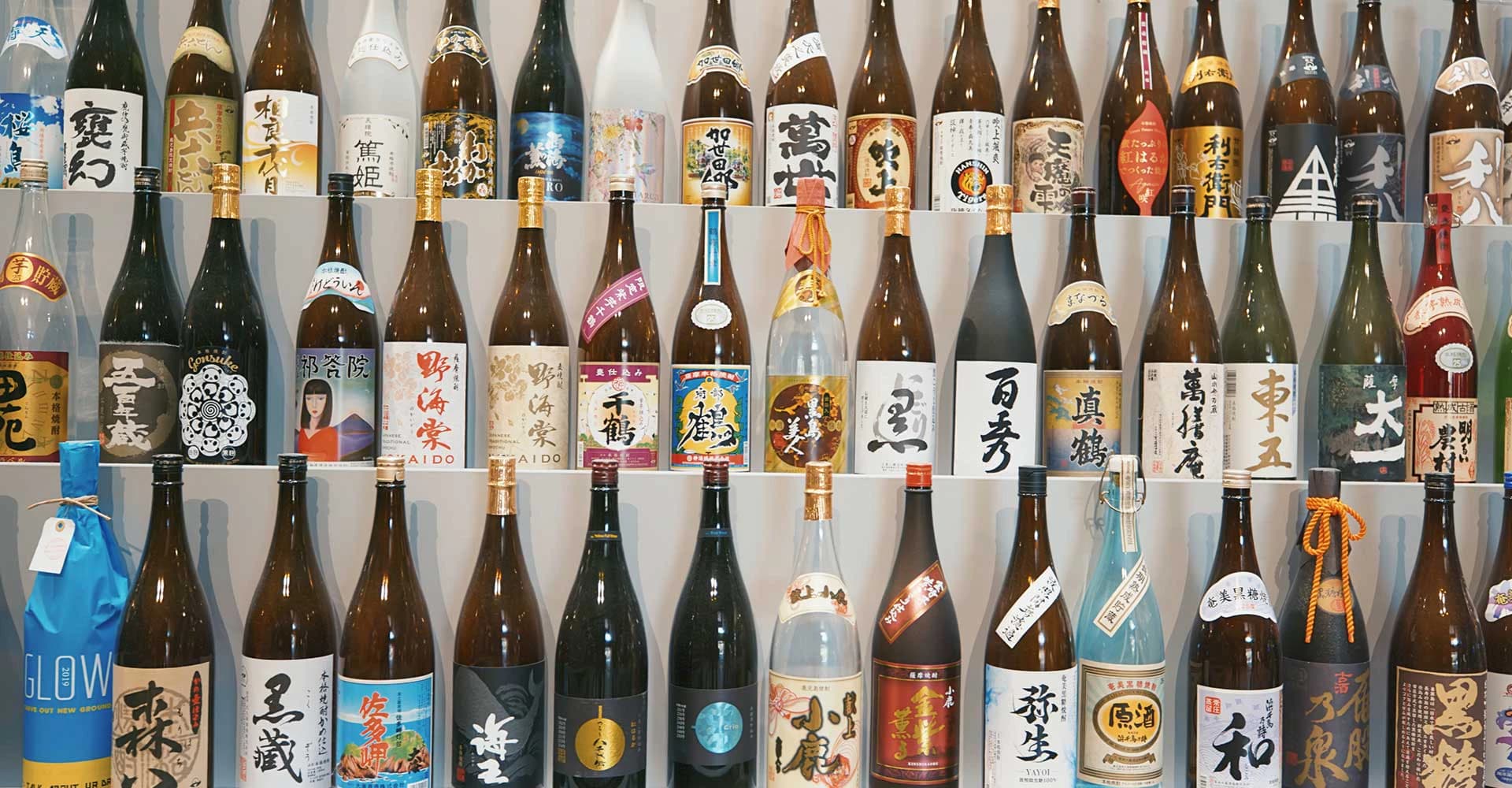
These two lighter spirits from East Asia have long traditions and remain popular in their home countries, but they are not the same. American drinkers are catching on. In the first of two articles, we look at the differences and then zoom in on craft soju.
Sensory scientist and experienced whiskey blender Ale Ochoa joins Molly to discuss the finer points of developing a palate, articulating flavor and aroma attributes, training a sensory team, testing and validating results, and more.
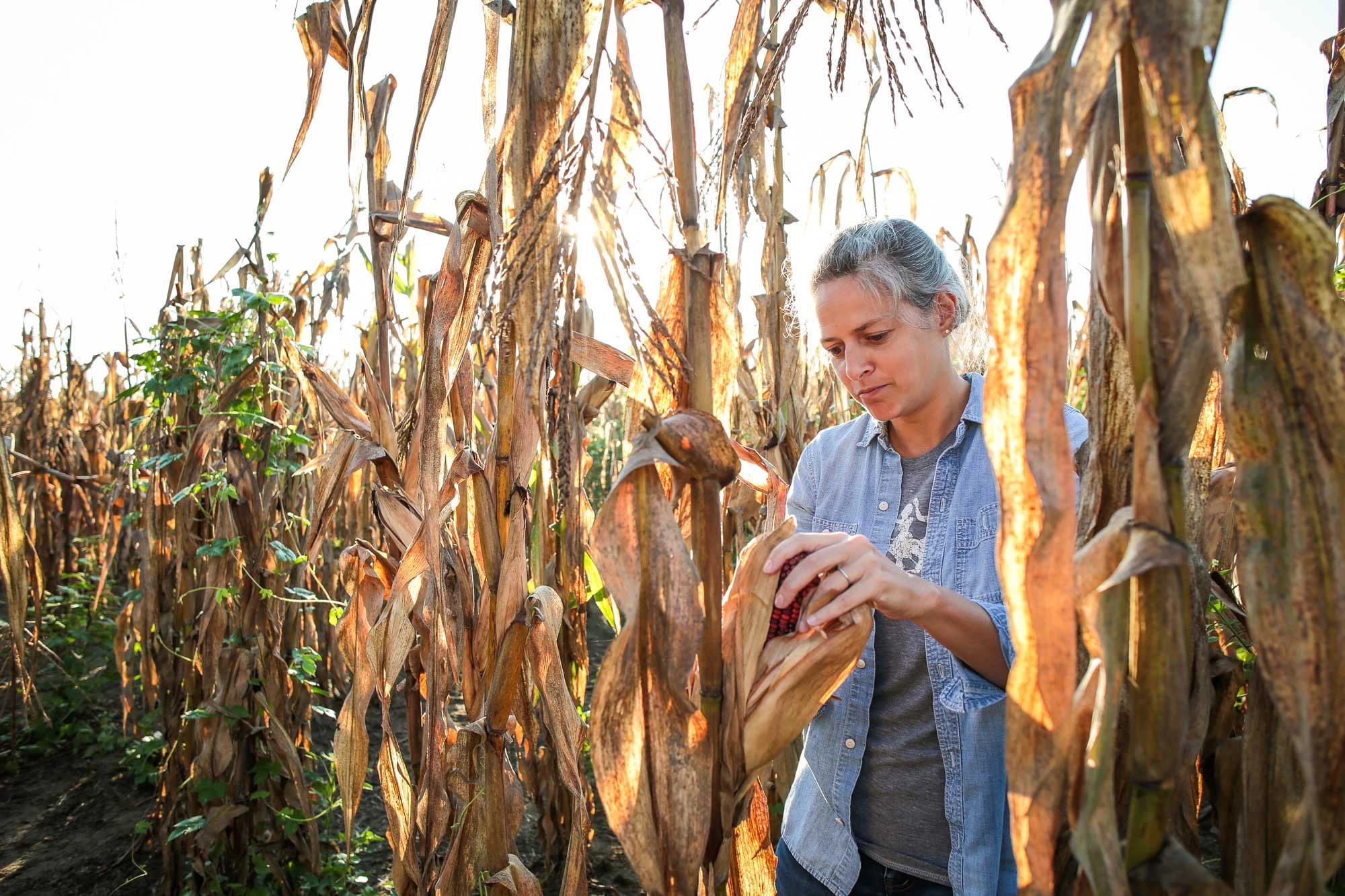
Meet some of the distillers who are building unique grain bills for their spirits through research, farmer relationships, and environmentally mindful production.
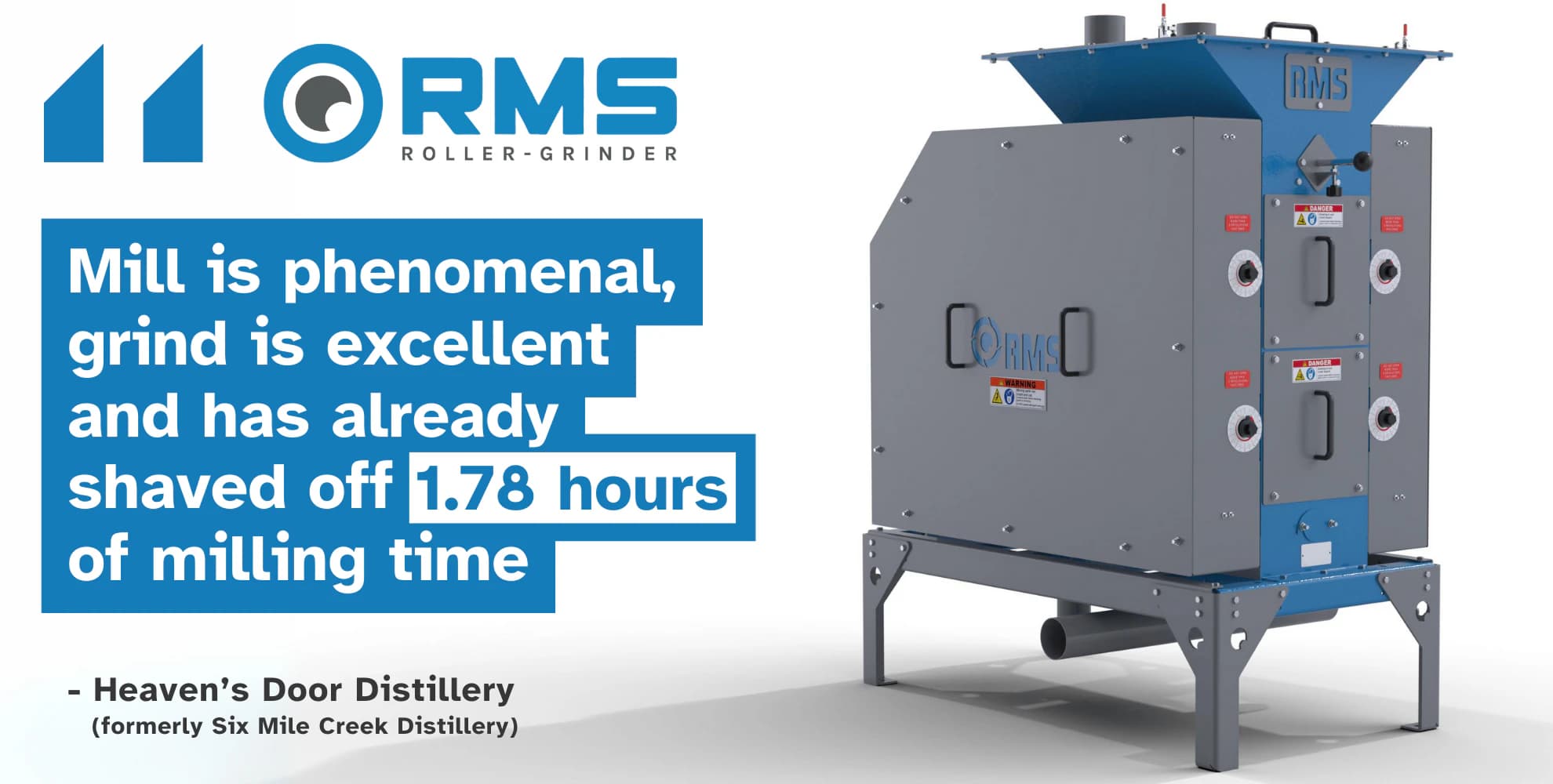
RMS has been at the forefront of creating superior grain mill machines that make a substantial difference in the distilling process.
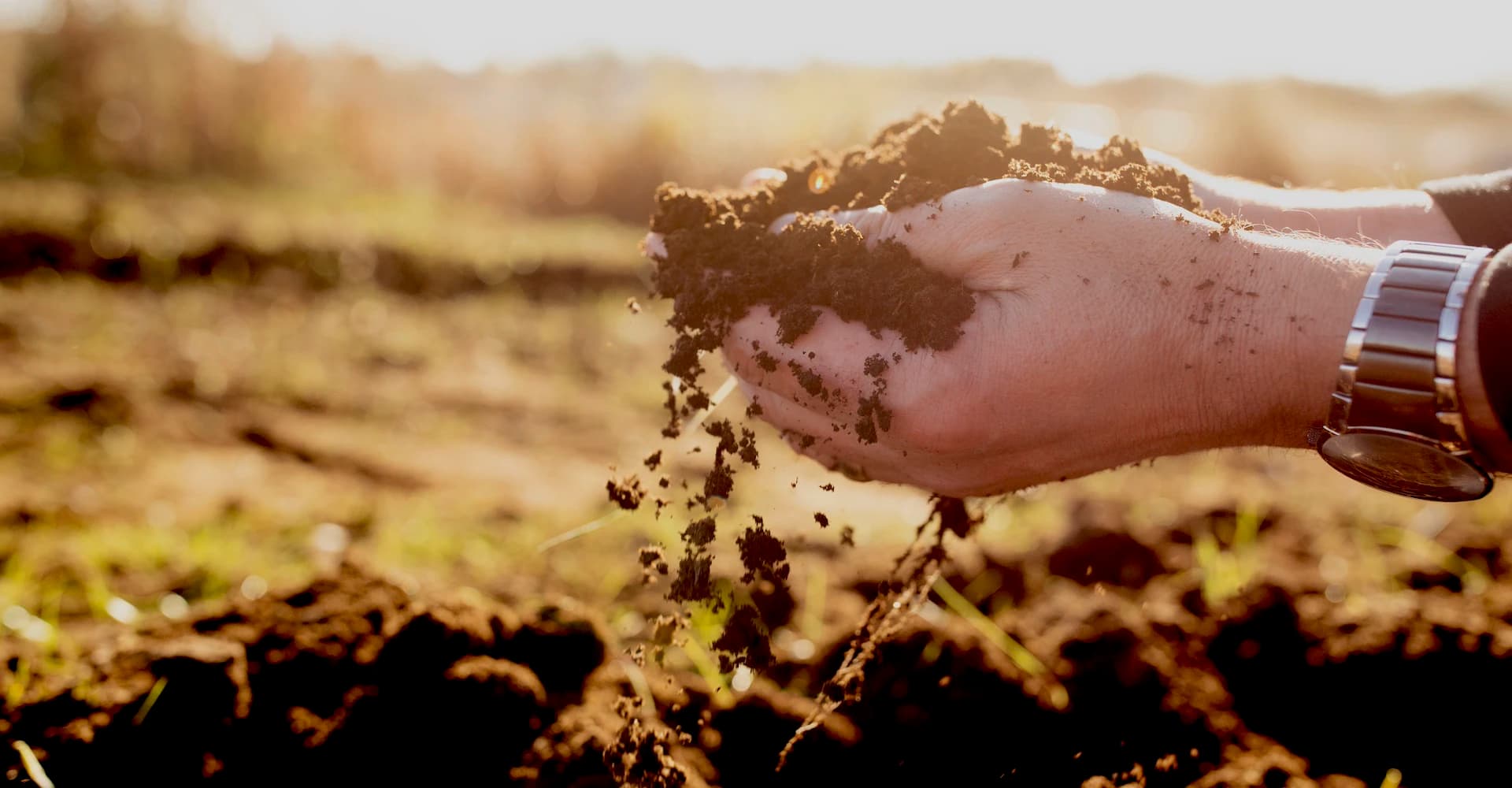
Granulated peat—pulled from American soil and driven by environmental concerns—is different from the peat moss traditionally used in the production of Scotch. At least one distillery is experimenting with cold infusions that add a different dimension to single-malt whiskey.
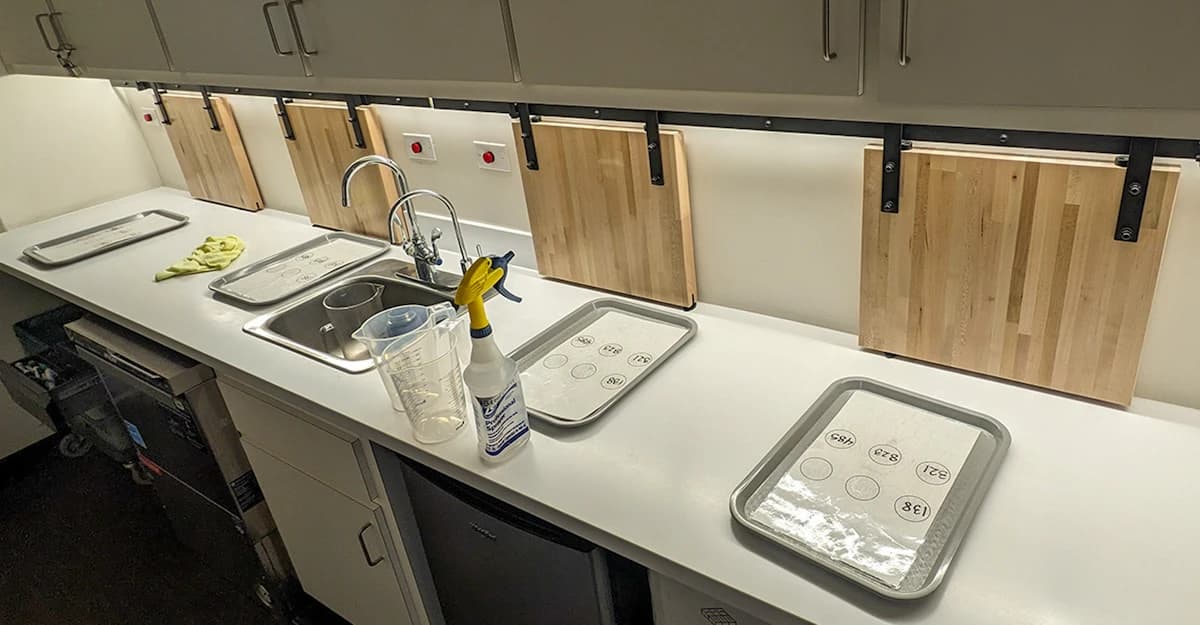
When distillers need sensory evaluation to identify outliers or differences in samples, look no further than discriminative testing. Here’s how it works.
While nothing is likely to replace the mighty oak for barrels, distillers are exploring a variety of other woods for aging spirits with distinctive character.