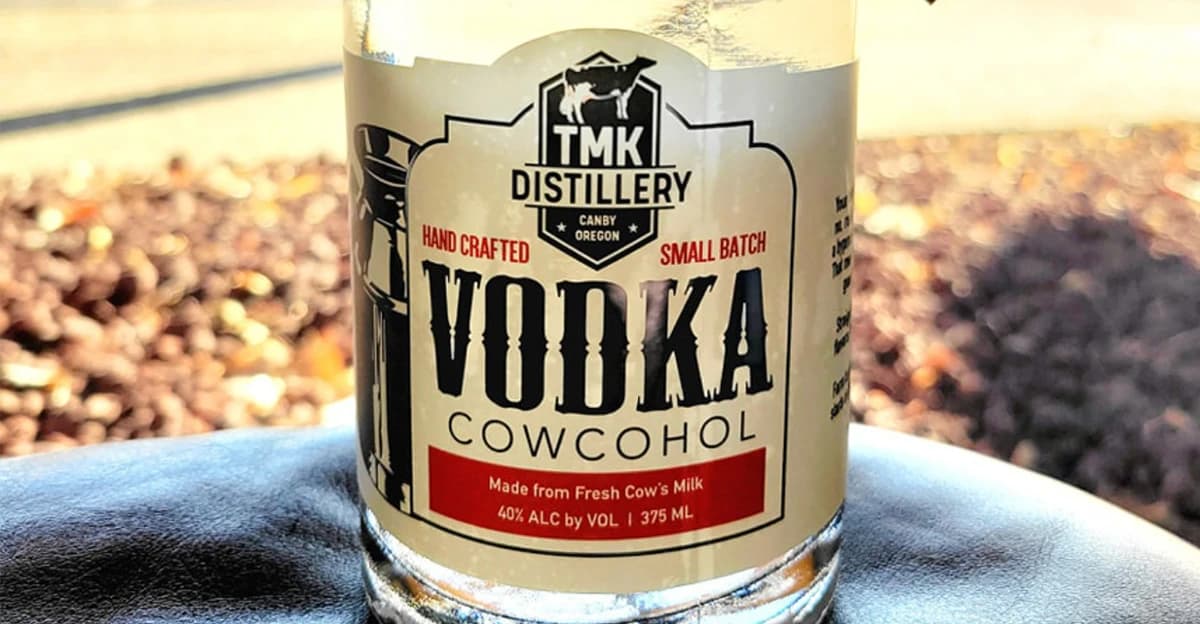
Why Distilling a Dairy By-Product May Be a Whey Forward
It may sound cheesy, but some American distillers are joining a trend from overseas—fermenting and distilling spirits with whey.

Showing 281-300 of 335 articles
It may sound cheesy, but some American distillers are joining a trend from overseas—fermenting and distilling spirits with whey.
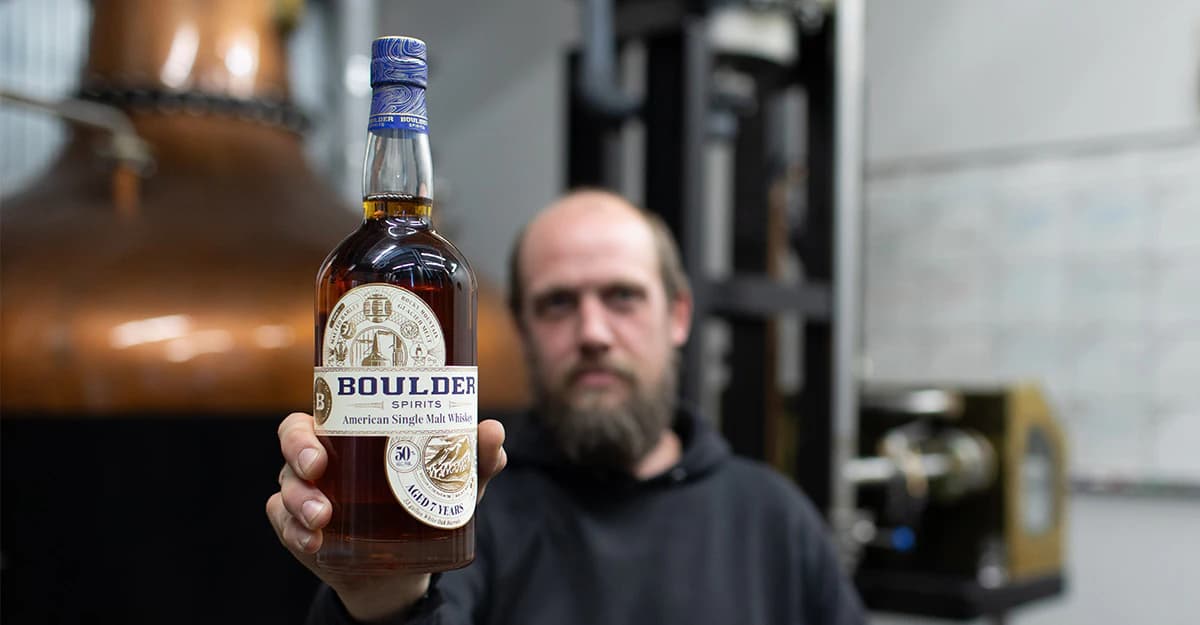
In this clip from his video course, Boulder Spirits distiller Justin Baier shares several details about how they age, evaluate, blend, and proof down different barrels of single-malt whiskeys, as well as how they finish some in different kinds of casks.
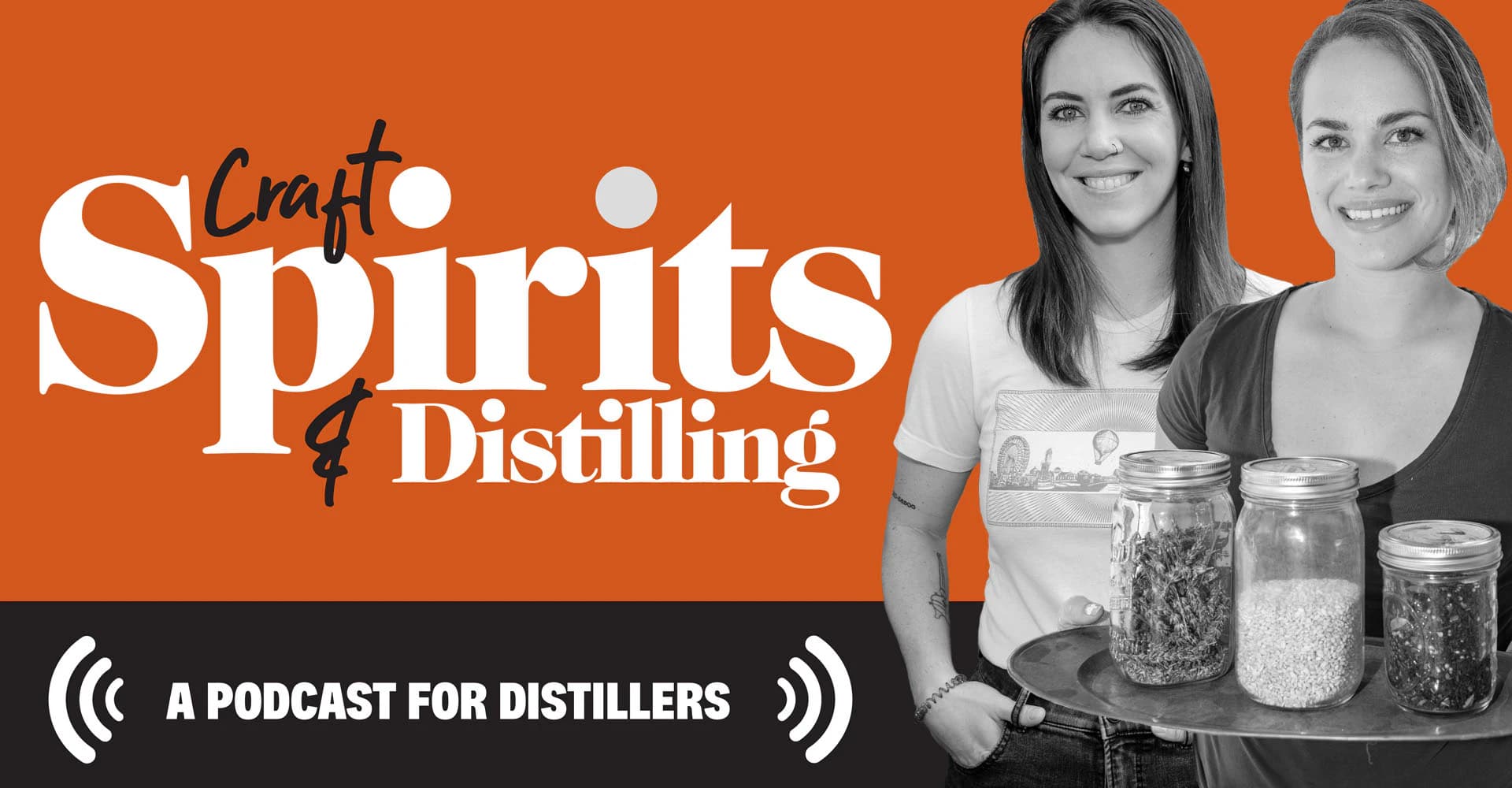
In this launch episode of the Craft Spirits & Distilling Podcast, hosts Sydney Jones of FEW Spirits and Molly Troupe of Freeland Spirits introduce the podcast and each other with a dive into their favorite distilling techniques.
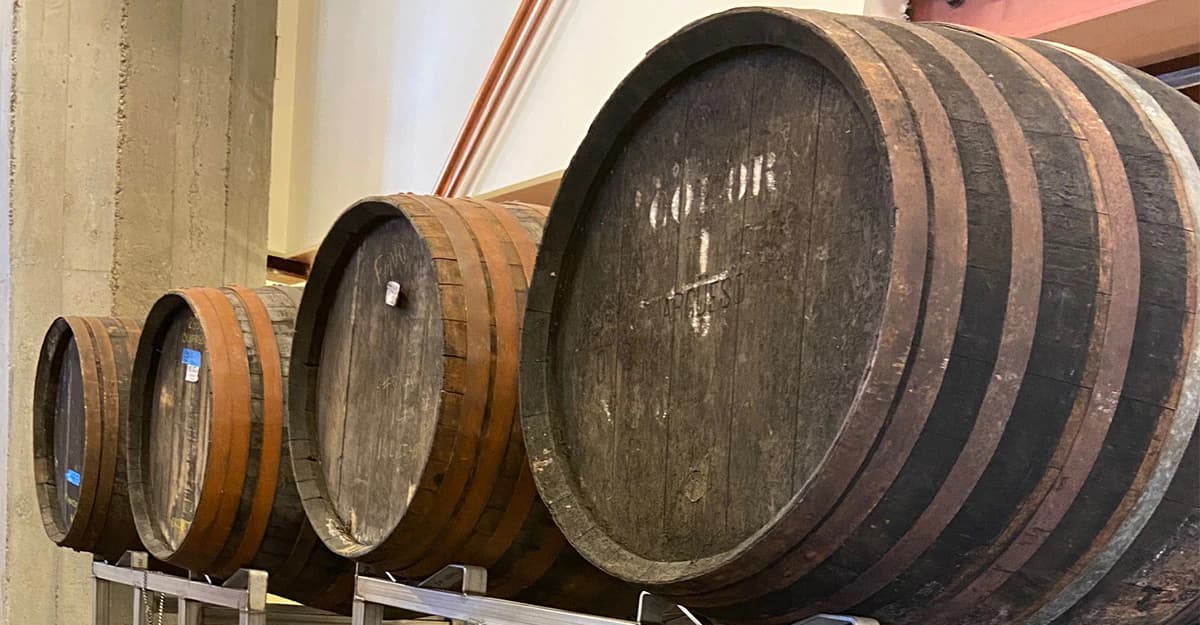
When selecting barrels to finish their spirits, some craft distillers are going against the grain.
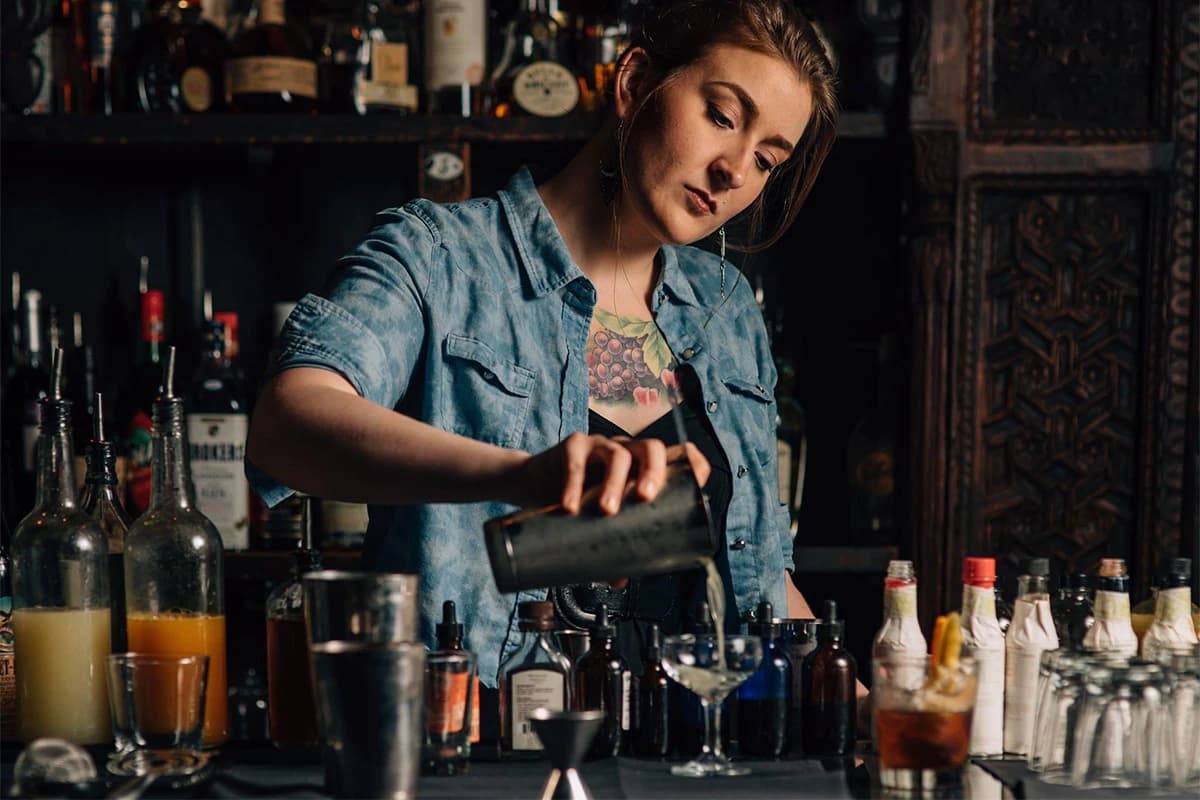
An on-site liquid-to-lips program is essential for producers to connect with customers—and not just your visitors, but also the bars where you aim to gain a foothold. Here are some key points to keep in mind when setting up and refining the bar program at your own distillery.
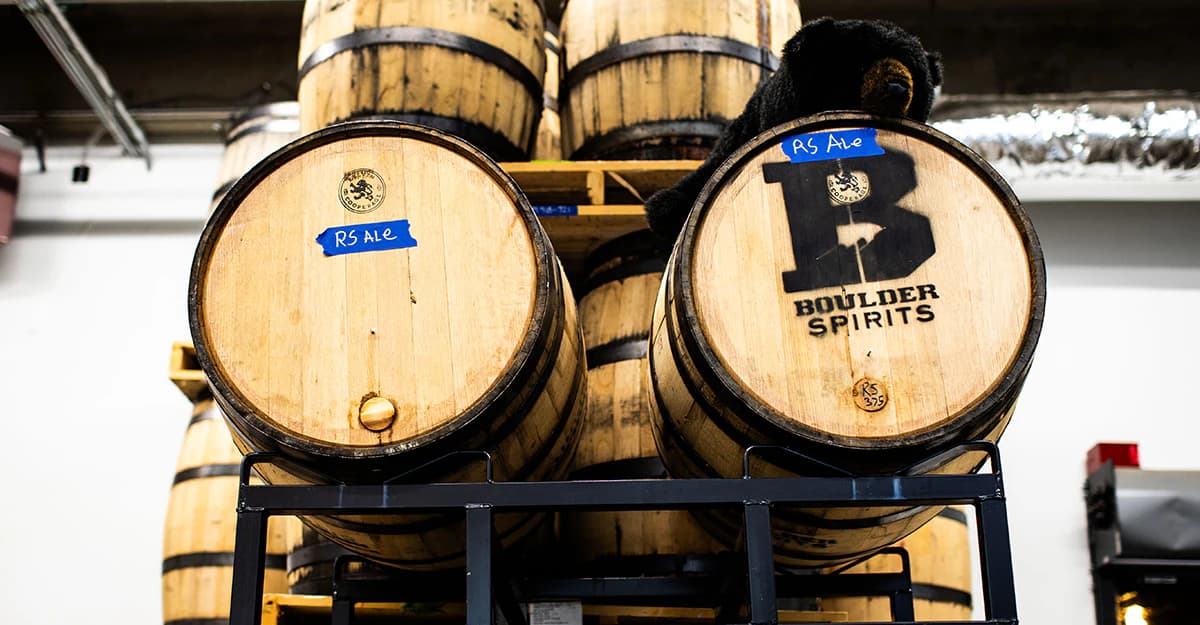
In this clip from his video course, Boulder Spirits distiller Justin Baier explains how they approach collecting the heads, hearts, and tails for desirable flavors and a consistent single-malt whiskey.
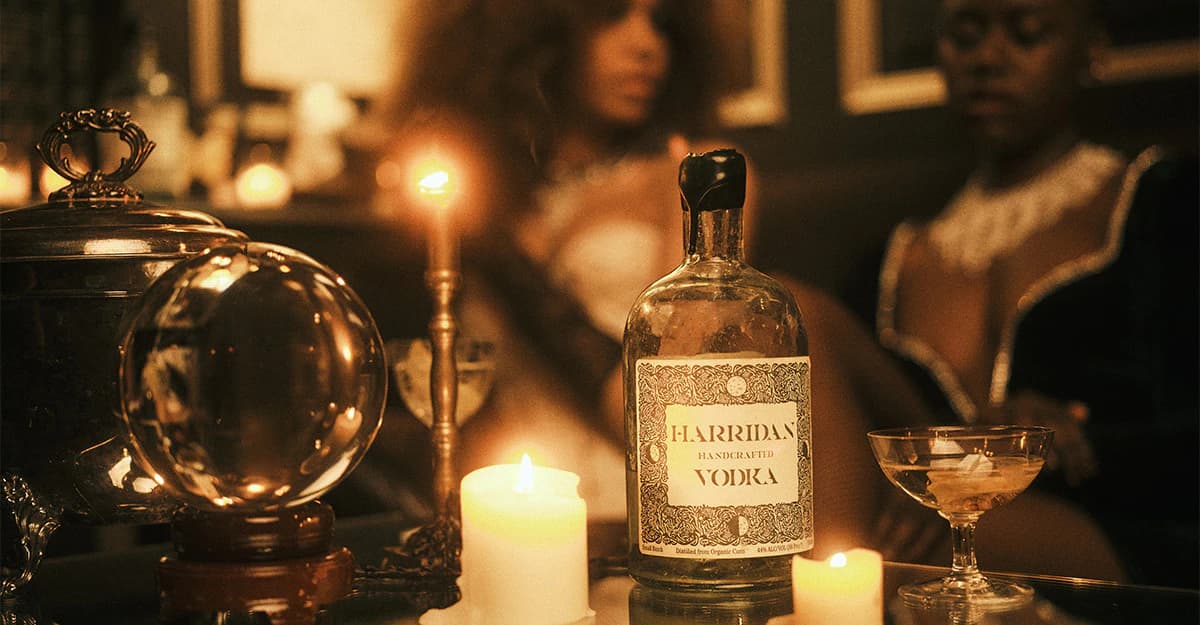
A change in TTB rules has opened the door for craft distillers to produce vodkas with character. The next challenge: Convince customers it’s worth the price.
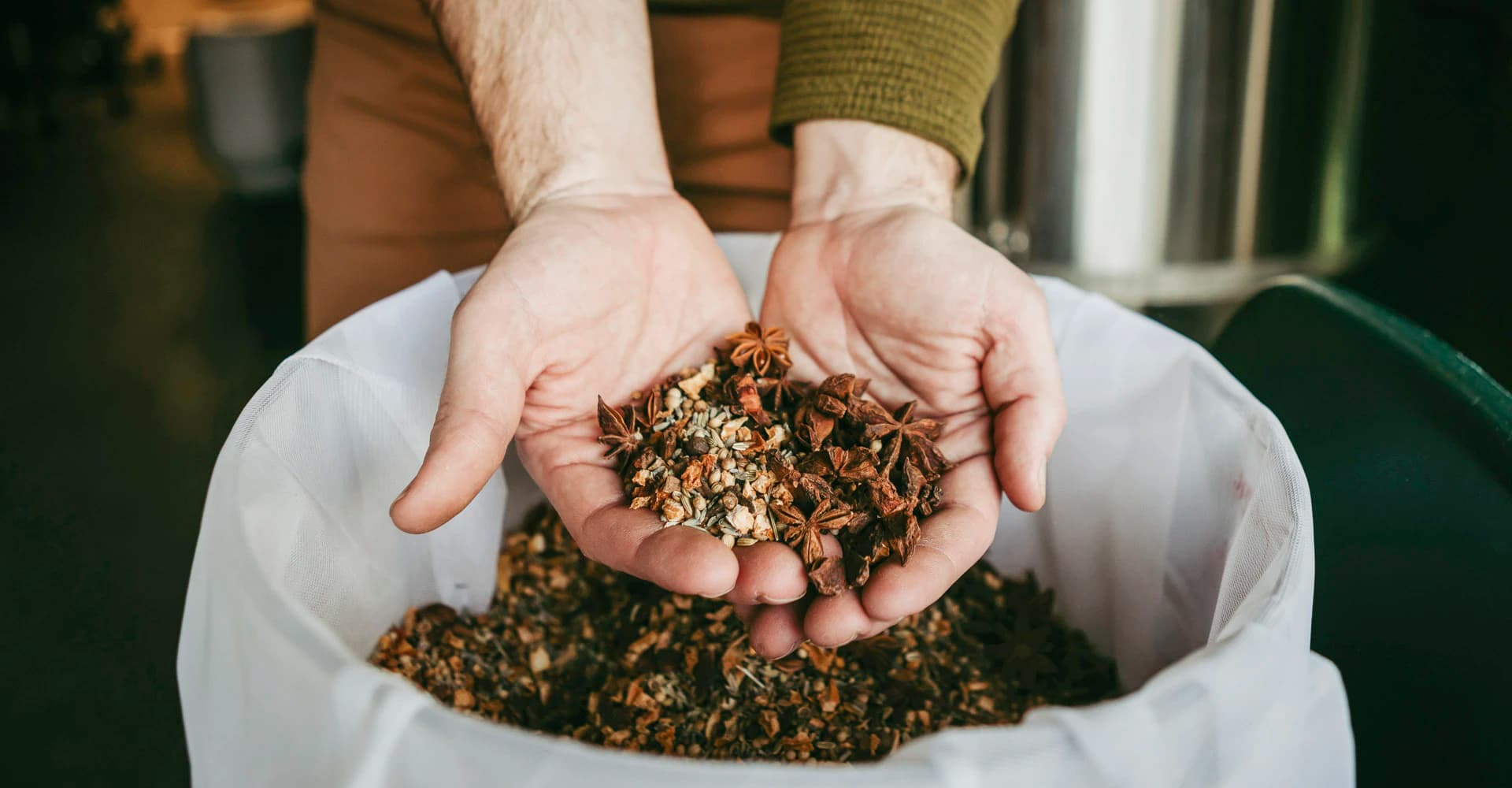
With its long-established tradition and unique flavors, aquavit is finding favor among North American drinkers and bartenders—and among craft distillers, who appreciate its familiar process and opportunities for distinctive character.
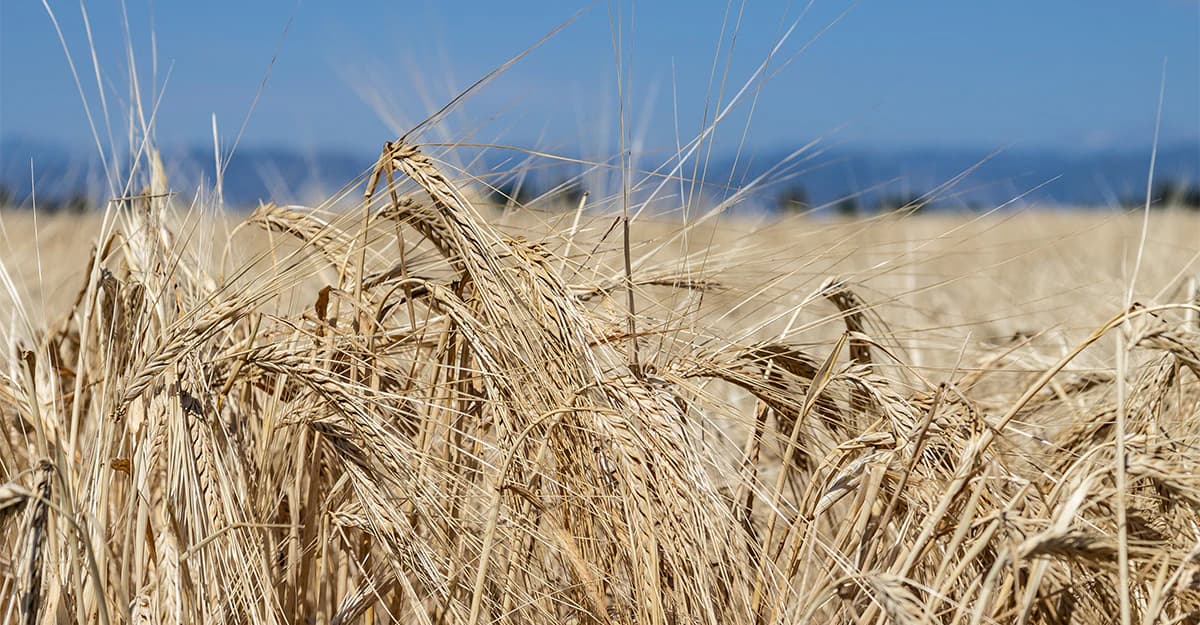
Recent barley reports and new recommended varieties offer distillers and brewers some welcome assurances and a glimpse of the future, including barleys better suited to nontraditional growing areas.
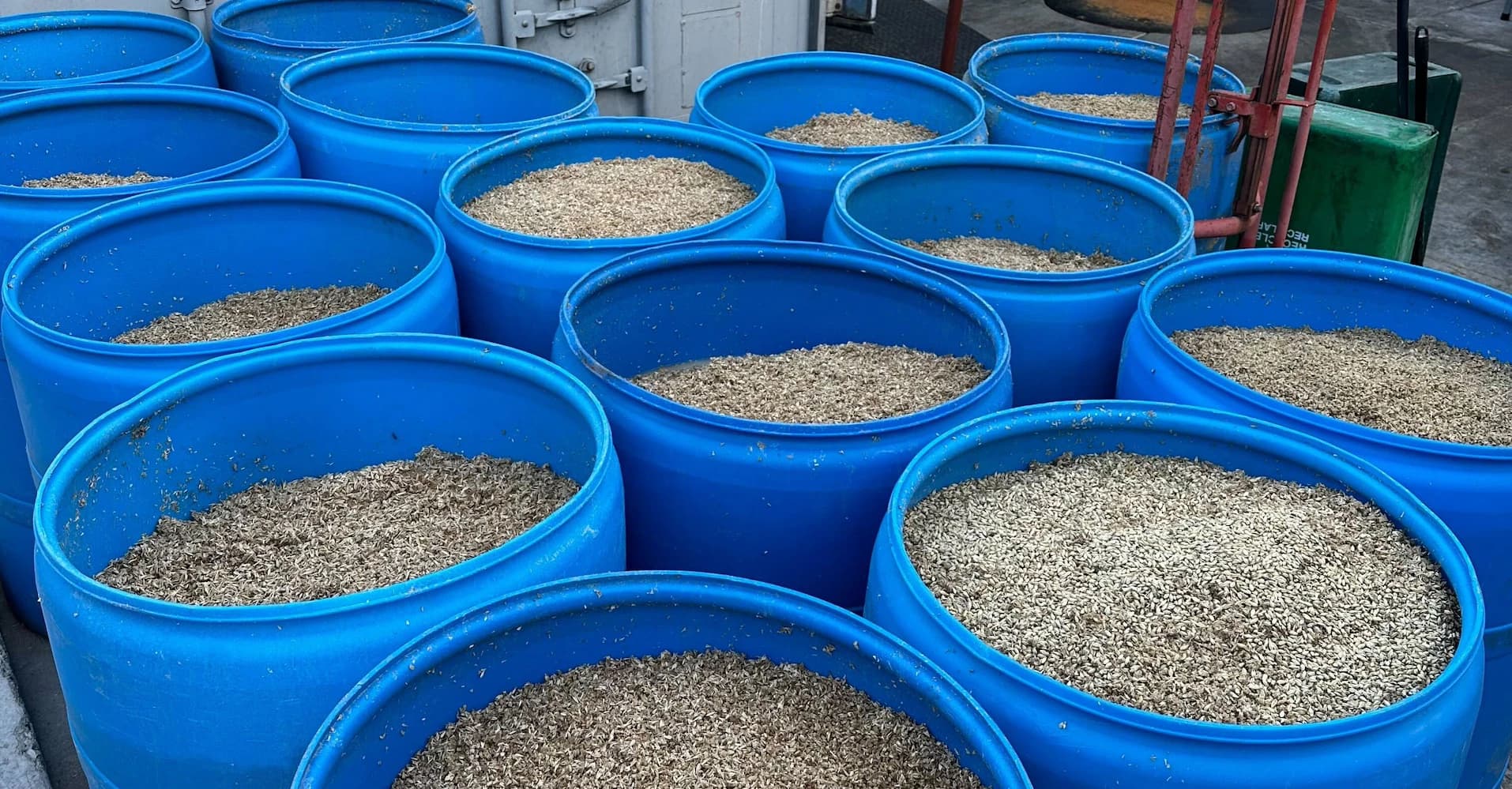
Distilleries are growing and multiplying, but there are only so many cattle to eat the spent grains. As the whiskey industry expands, meanwhile, Kentucky is a hotbed for innovation in uses for stillage.
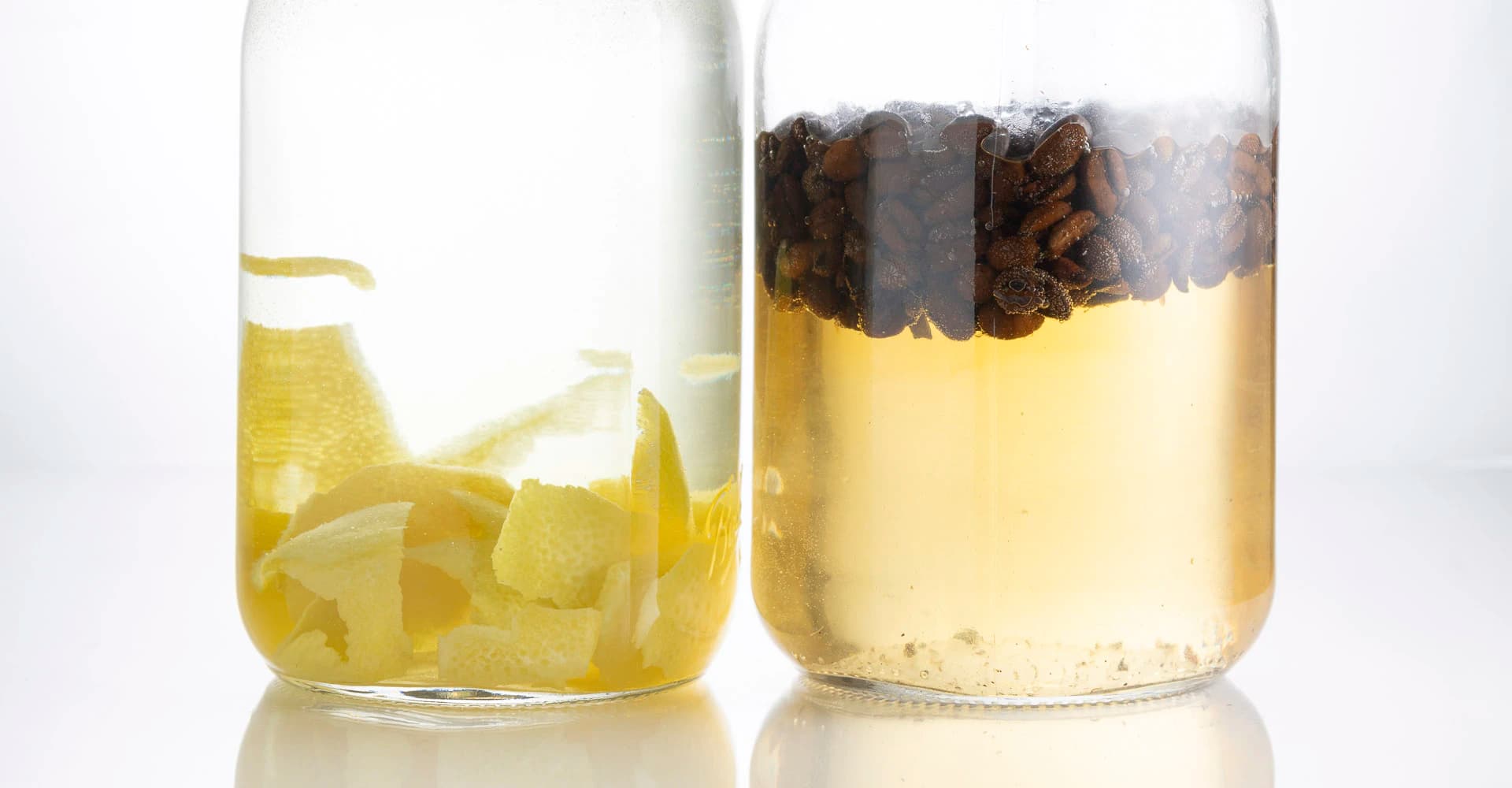
Once you get into making your own liqueurs, it can be hard to stop, whether at the bar or at home—there are many ways to get creative, they make great gifts, and they can help you use up those leftover spirits.
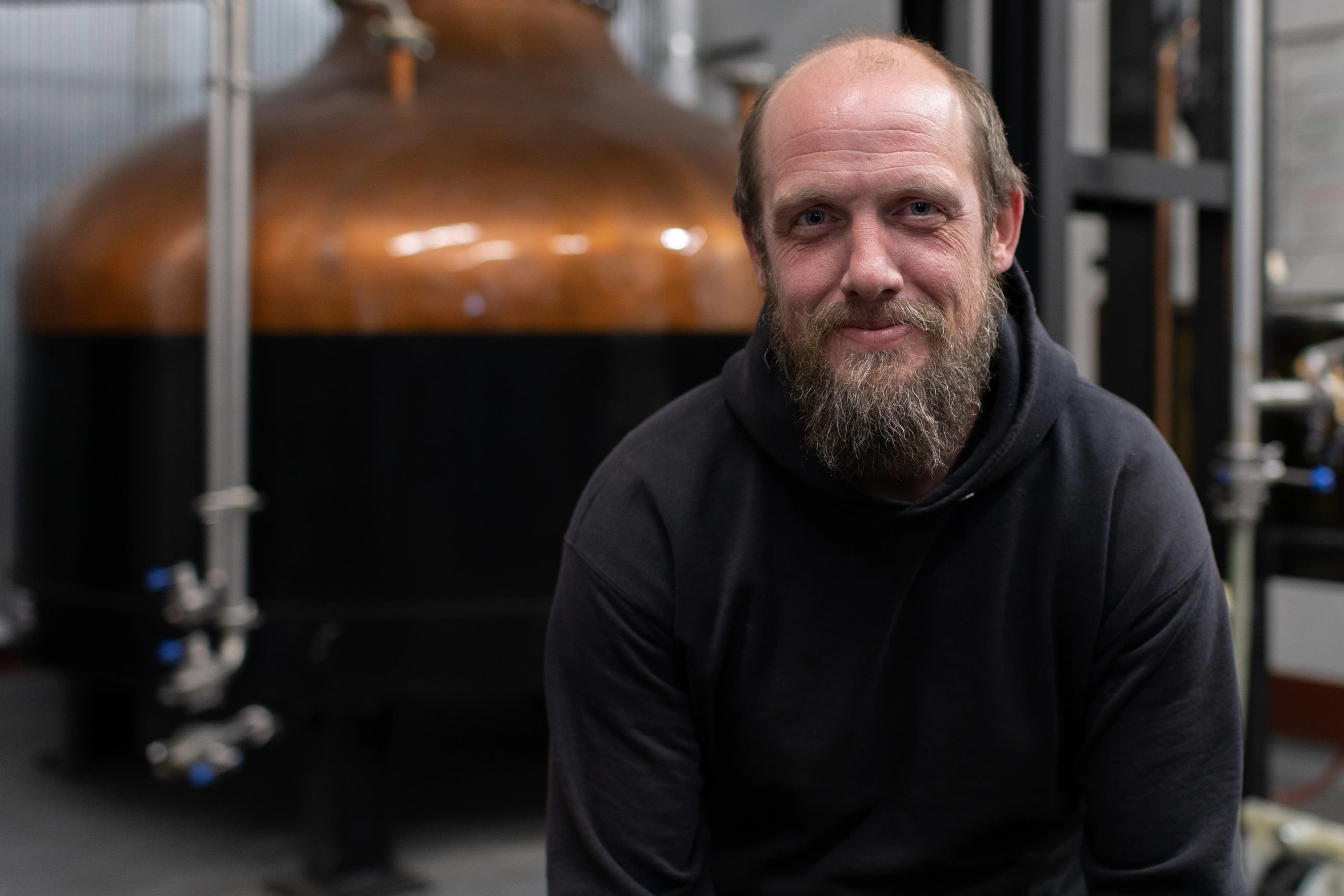
Distiller Justin Baier walks us through the details and numbers of mashing and fermenting a wash for single-malt whiskey at Boulder Spirits—including what sets the process apart from brewing beer.
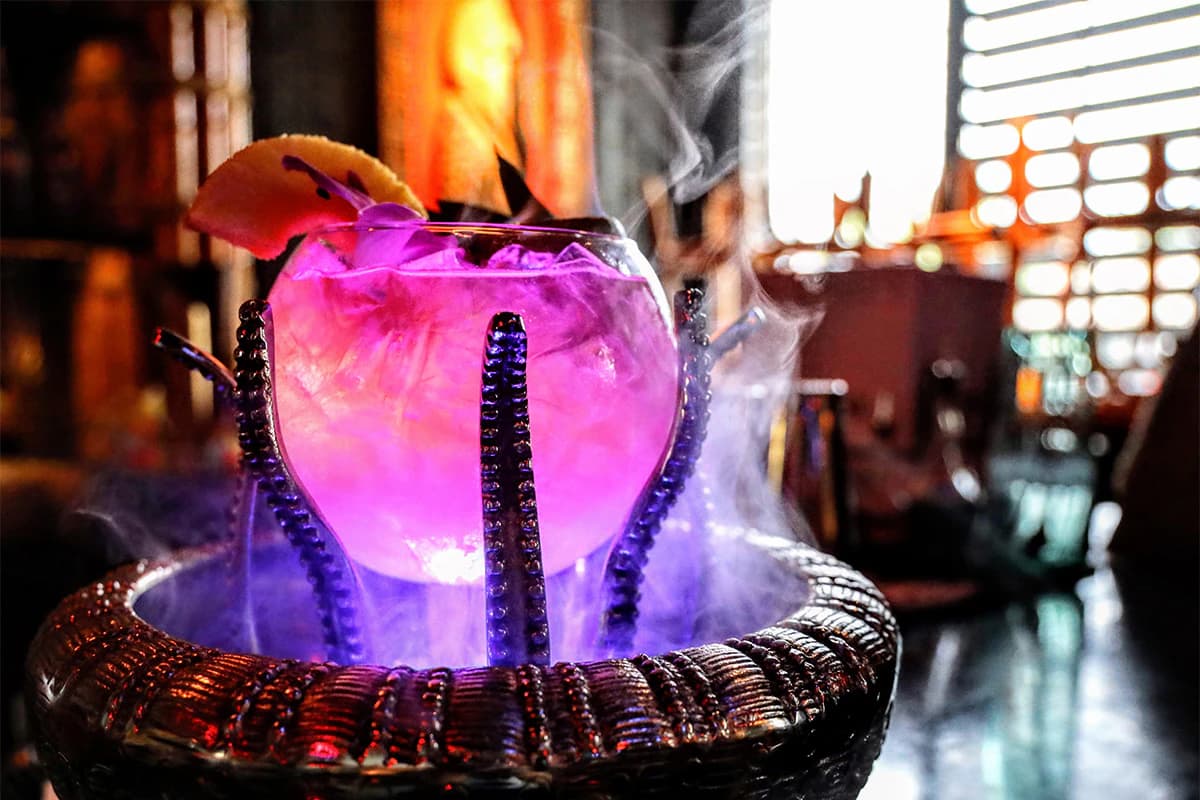
With the 2024 American Craft Spirits Association convention heading to Denver this month, locally based drinks writer Ryan Pachmayer highlights some of the city’s top-tier destinations for cocktails, spirits, and more.
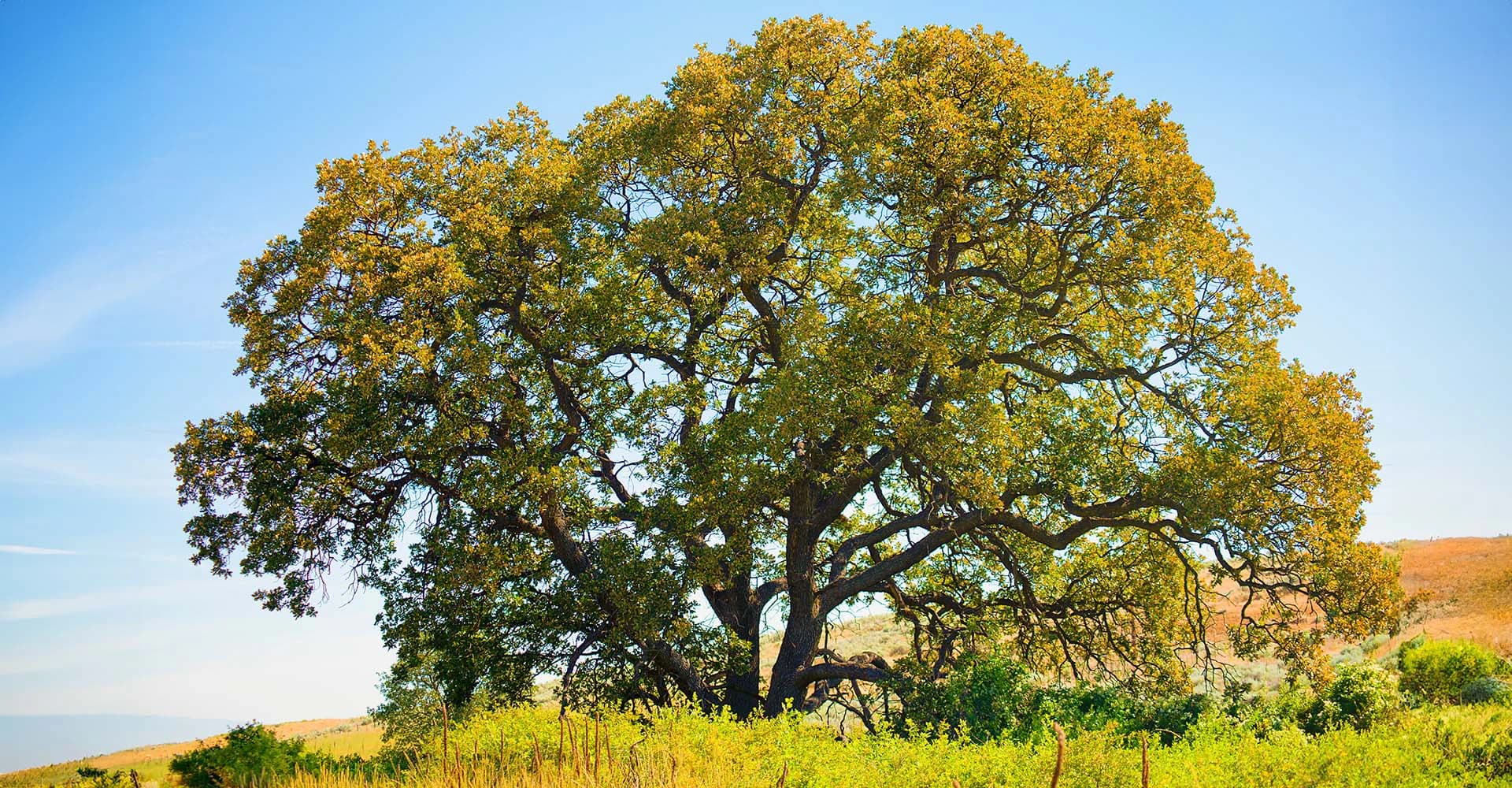
With almost 100 species of oak just in the United States, distillers are looking at varieties beyond the traditional American white oak to explore their impact on spirits.
When it comes to analyzing the results of sensory evaluation, statistics can be a complicated yet powerful tool to use in the pursuit of higher-quality spirits.
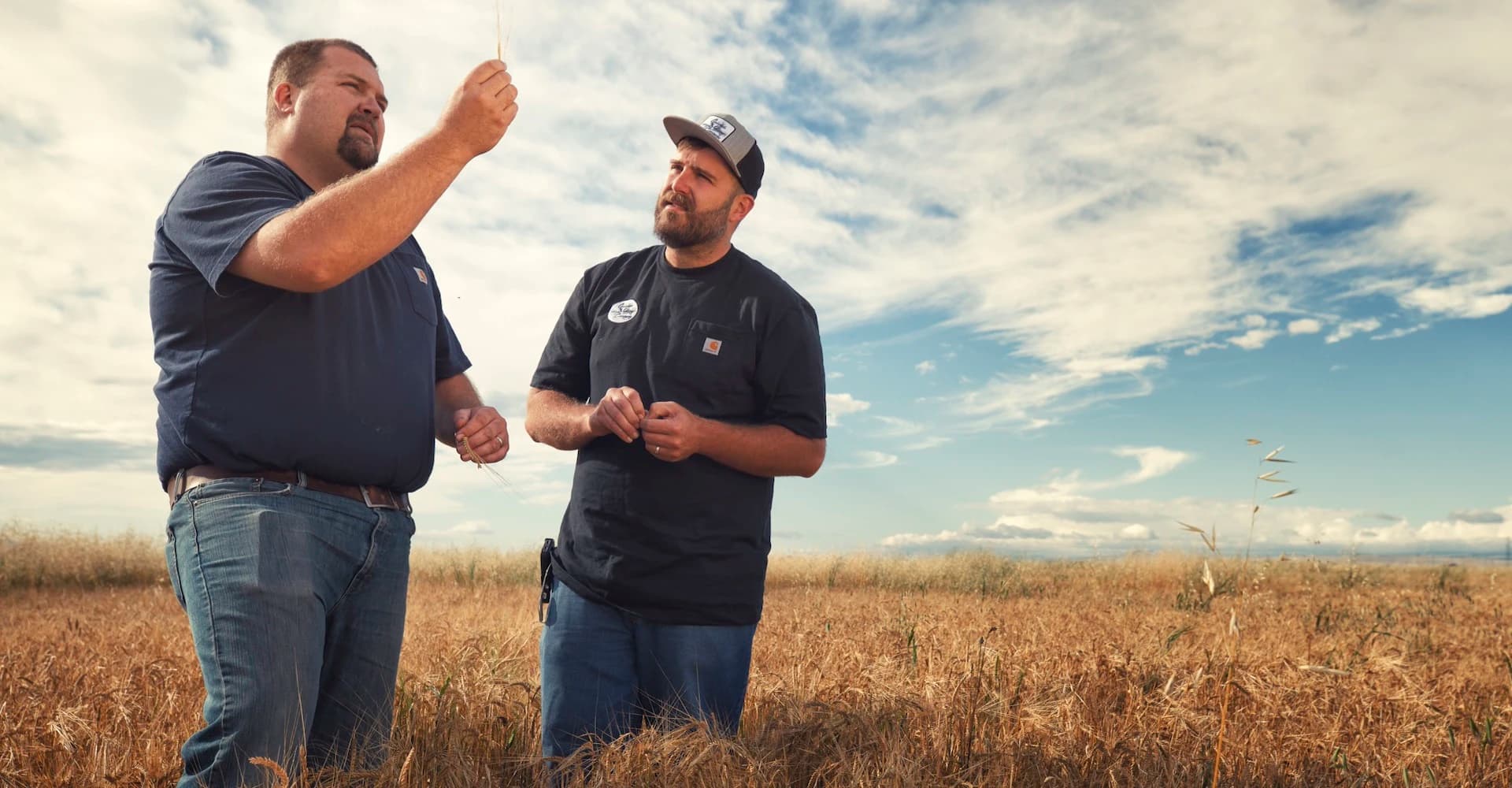
In the second of two articles looking at a farm-to-bottle relationship between distiller and farmer—in their own words—Jason Cody of Colorado Malting discusses the challenges and benefits of growing and malting characterful grains on a small scale. As told to Ryan Pachmayer.
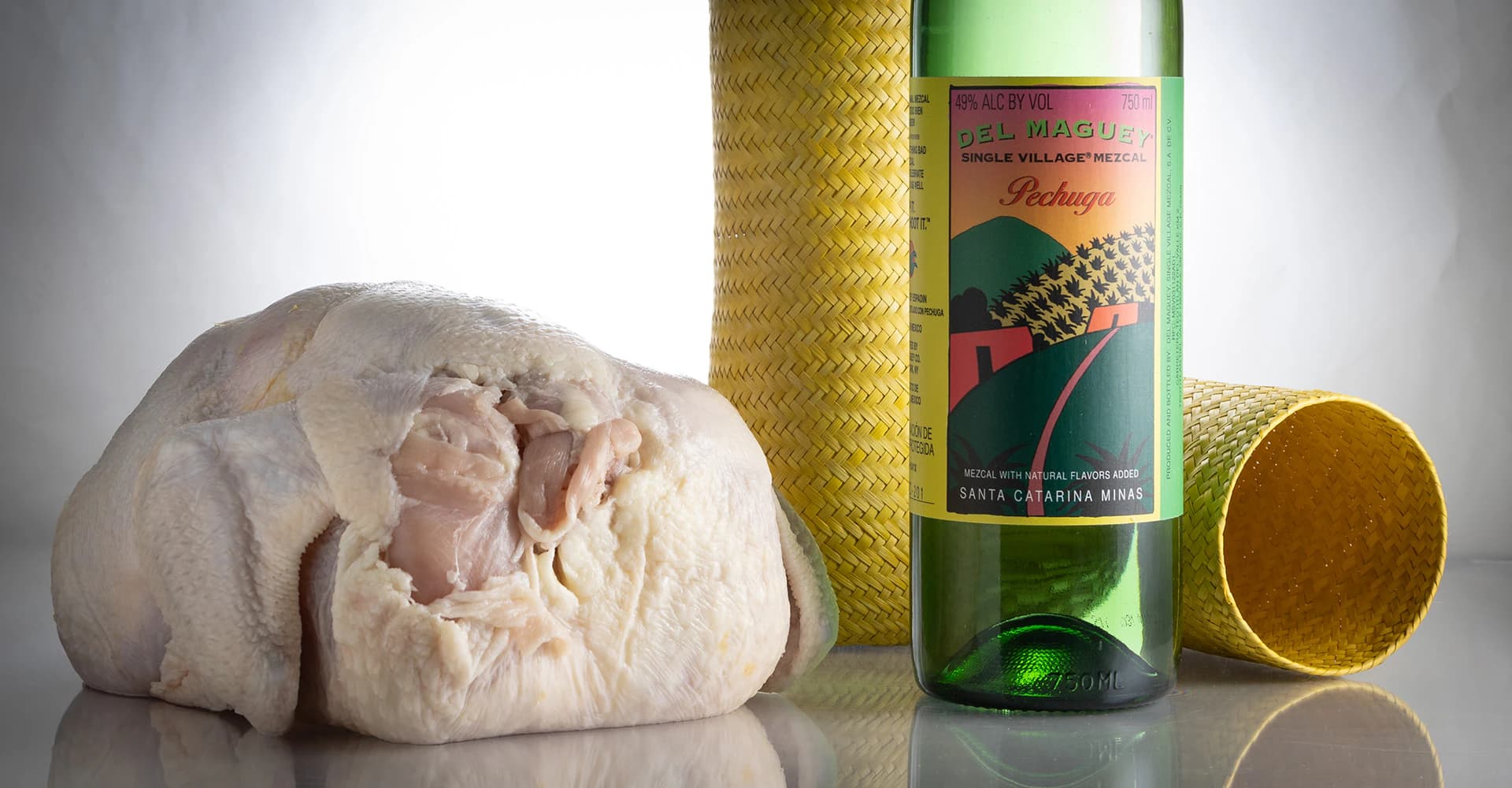
Step aside beer-can chicken. Poultry is the special ingredient that lends a subtle touch to a traditional, distinctly flavorful, small-batch variety of mezcal—the problem is, nobody seems to know why.
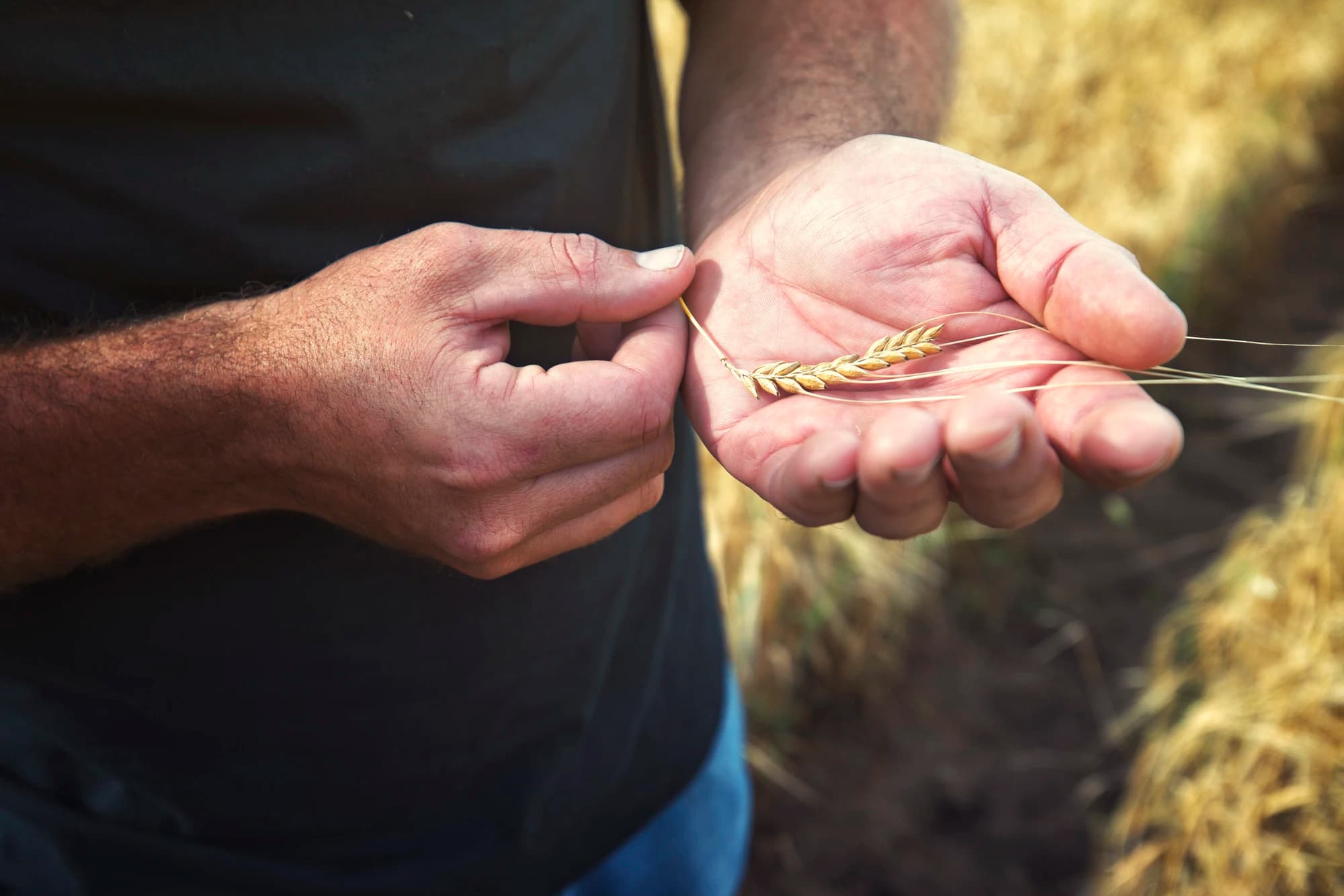
Founded in 2011, Laws Whiskey House in Denver has built its award-winning bourbons and ryes on Colorado-grown heirloom grains. Here, in the first of two articles—the next from the farmer’s perspective—founder Al Laws discusses how these crops shape the character of their “dirt-to-glass” spirits. As told to Ryan Pachmayer.
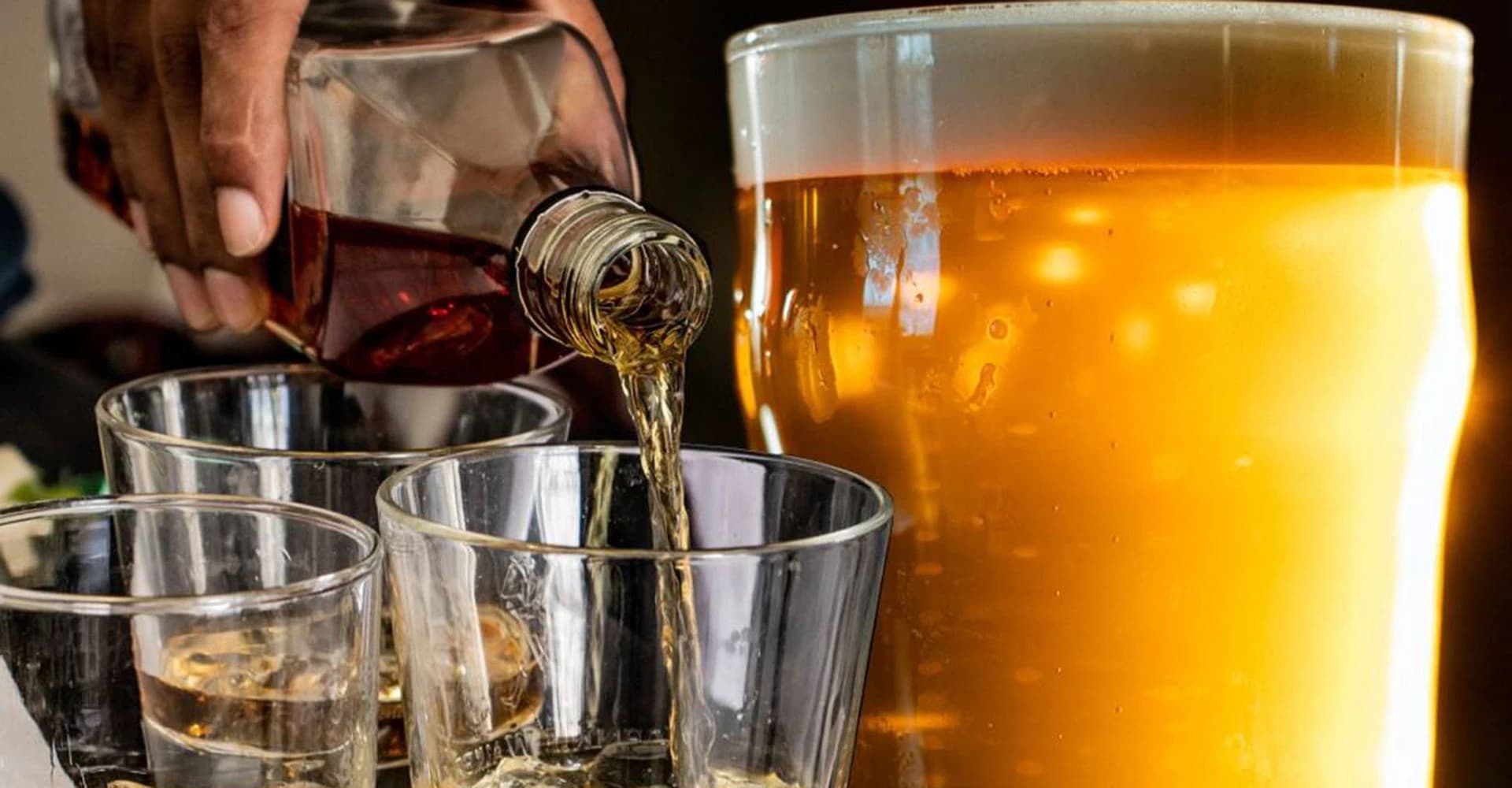
Adding distillation equipment to your brewery offers the benefits of expanded product ranges, enhanced revenue opportunities, captivating consumer experiences, and differentiated branding.
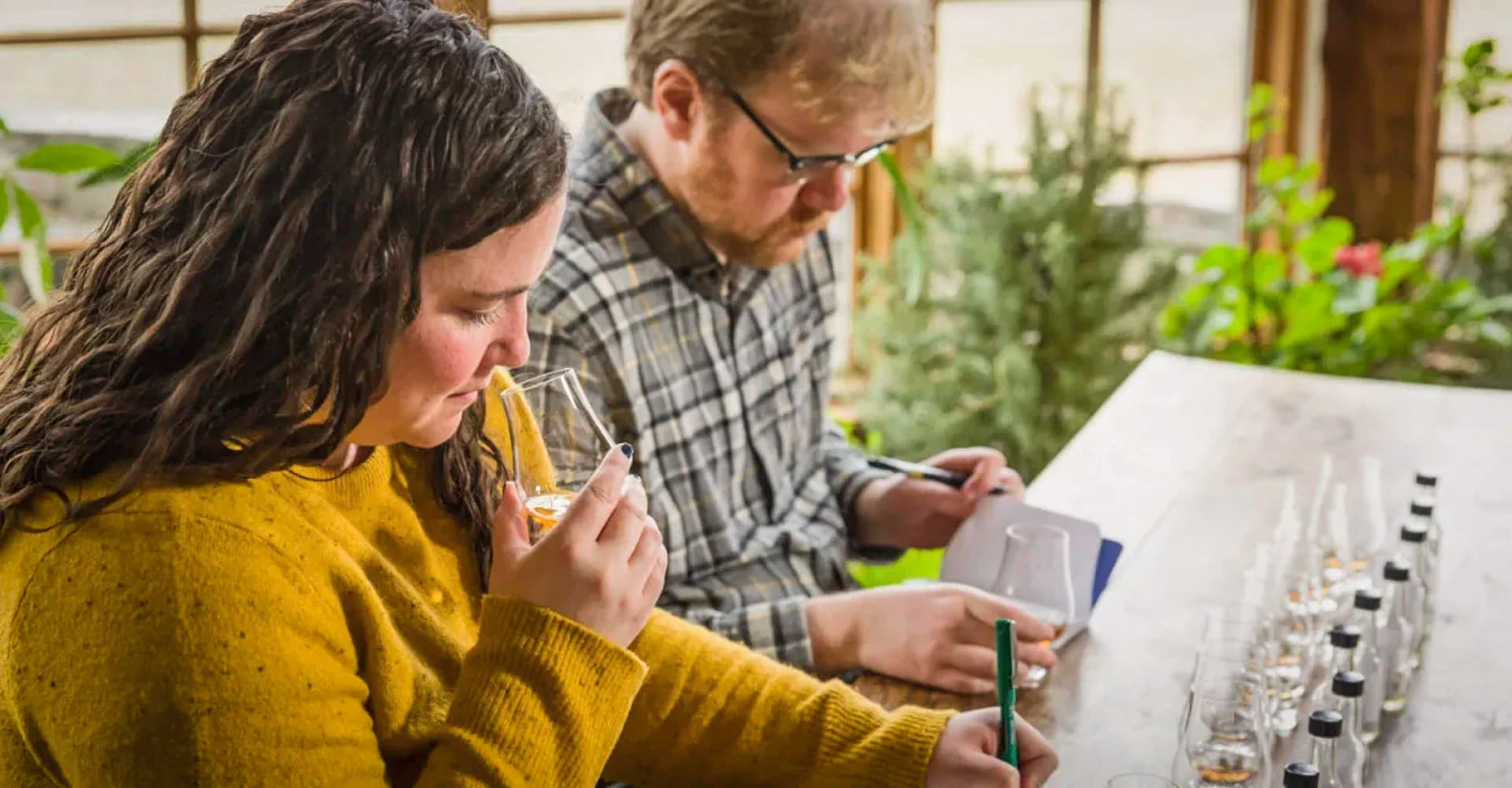
For craft-whiskey distilleries, independent bottlers and blenders offer unique opportunities for collaboration and raising brand awareness.