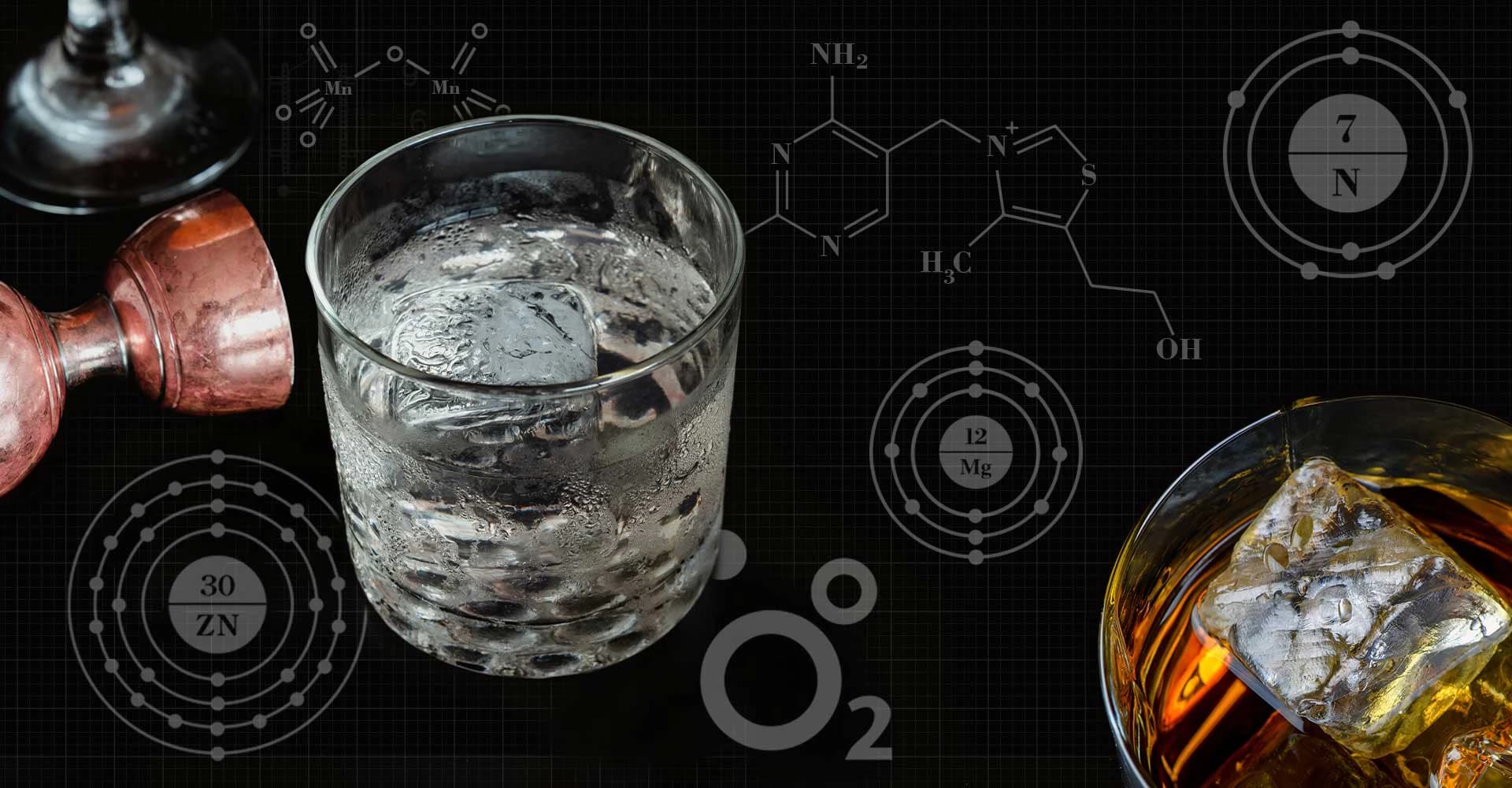
Yeast Nutrition 101: What Every Distiller Needs to Know
When you understand and address the specific nutrient needs of your fermentation, you can produce higher-quality spirits with consistency and confidence.

Showing 221-240 of 335 articles
When you understand and address the specific nutrient needs of your fermentation, you can produce higher-quality spirits with consistency and confidence.

Few acquisitions of spirit brands have been as high-profile as Ryan Reynolds’ purchase of the Aviation Gin brand, followed by its sale to Diageo. Yet even before the celebrity-fueled spotlight turned its way, Aviation was the work of an earnest distiller seeking to make the perfect pre-Prohibition-style gin for classic cocktails.
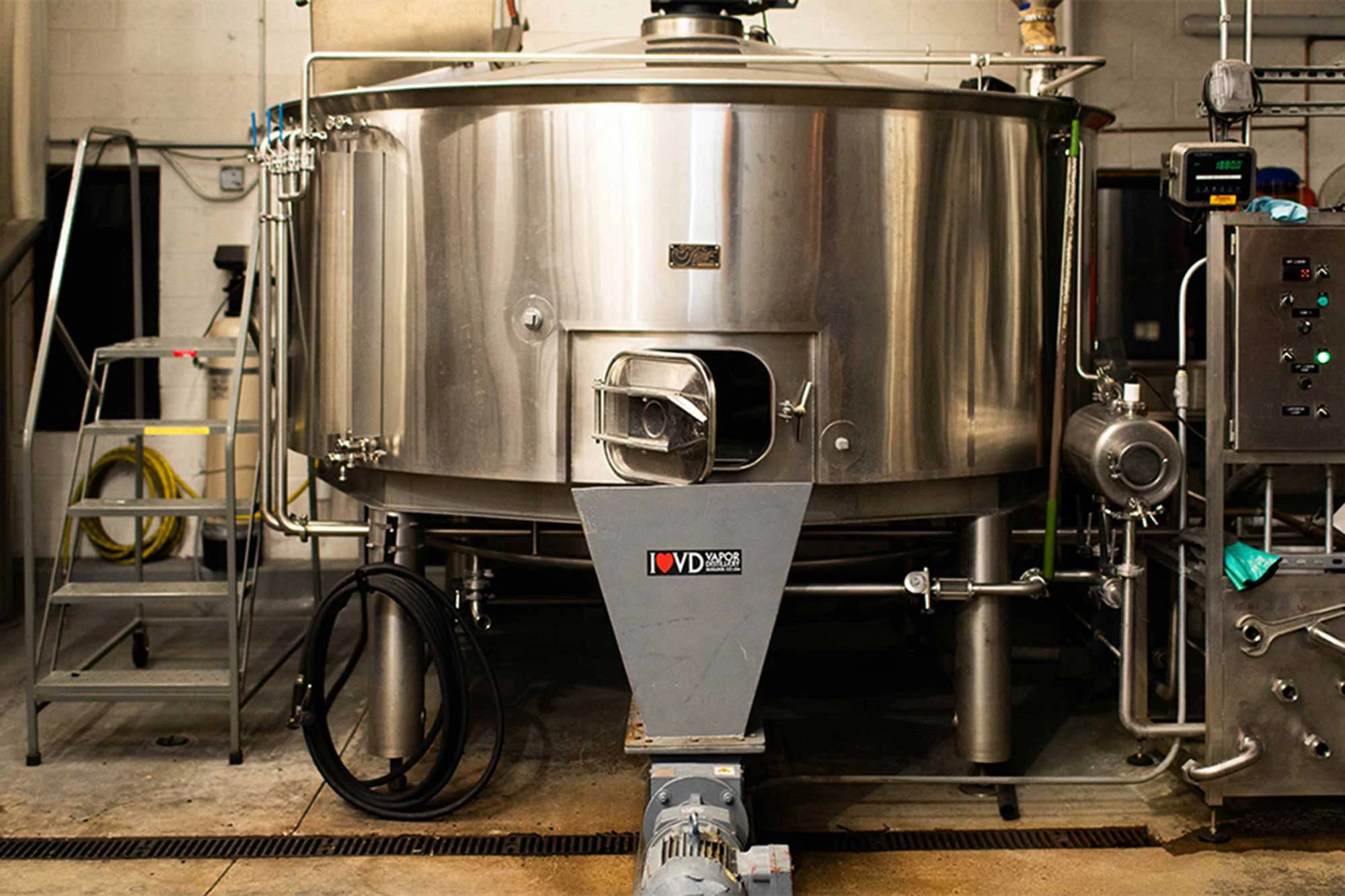
When you’re making whiskey, mashing can be more than a way to get fermentable sugars from the grain. Whatever process you use, there are control points you can use to influence the character of the final spirit.

Other industries have shown that they can make an impact by meeting in-person with policymakers in Washington, and craft distillers can do the same. The American Craft Spirits Association is looking for numbers to help push for updated laws and regulations.
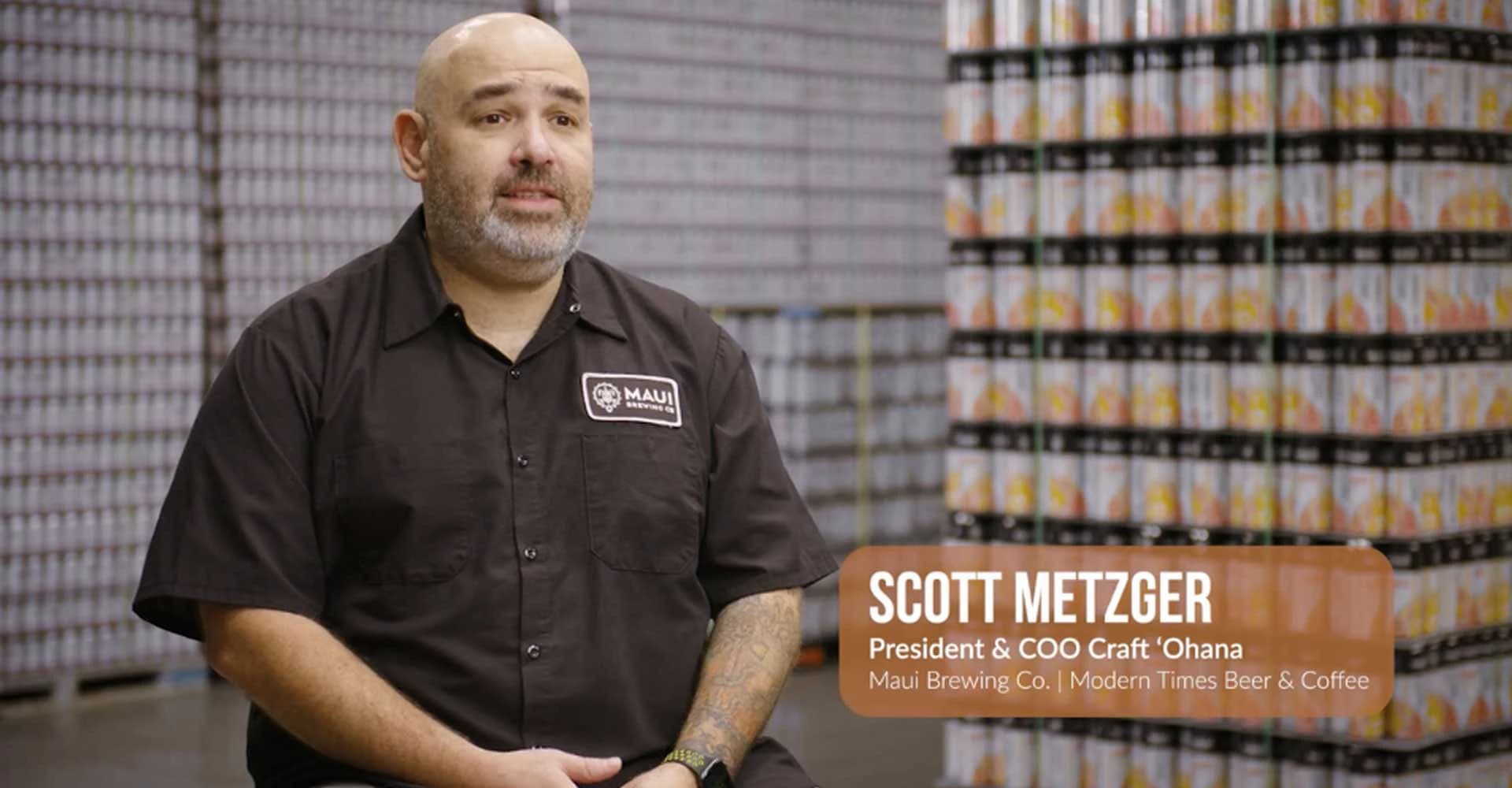
In just a few short years, Craft ’Ohana has become a multicategory powerhouse—and it’s just getting started.
It’s important to know the specs, but take nothing for granted. In-house quality testing and monitoring of ingredients can help you ensure consistent spirits and avoid big headaches down the road.
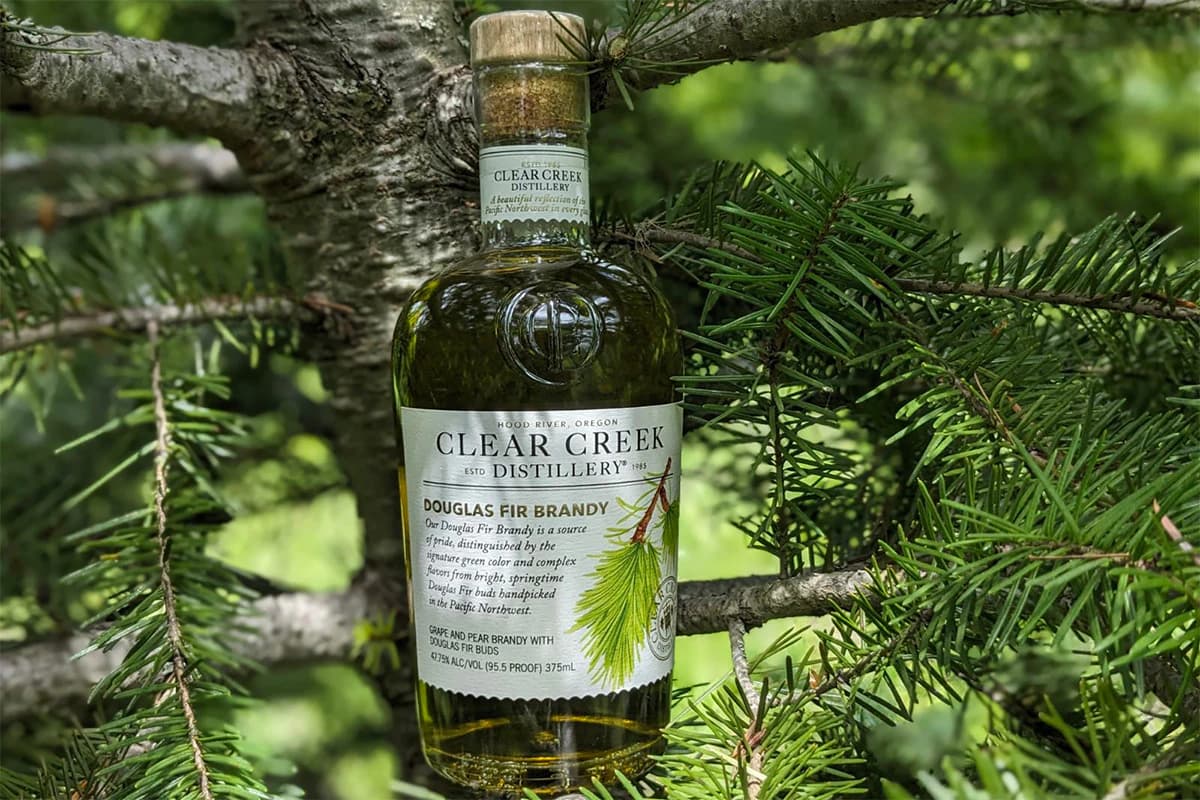
There are spirits in the trees, but pines are a source that modern distillers often overlook. Whether using fresh buds or gooey cones for brandies or liqueurs, here’s how a couple of small distilleries in the Northwest are sourcing and distilling them for a distinctive local product.
Through his distilling career, Ken Klehm has tackled an array of challenges, such as stocking an entire cocktail bar with house-distilled spirits and liqueurs. Now at the helm of the 450 North brewstillery, he’s exploring new opportunities such as distilling with estate grain, making American single malt, and more.
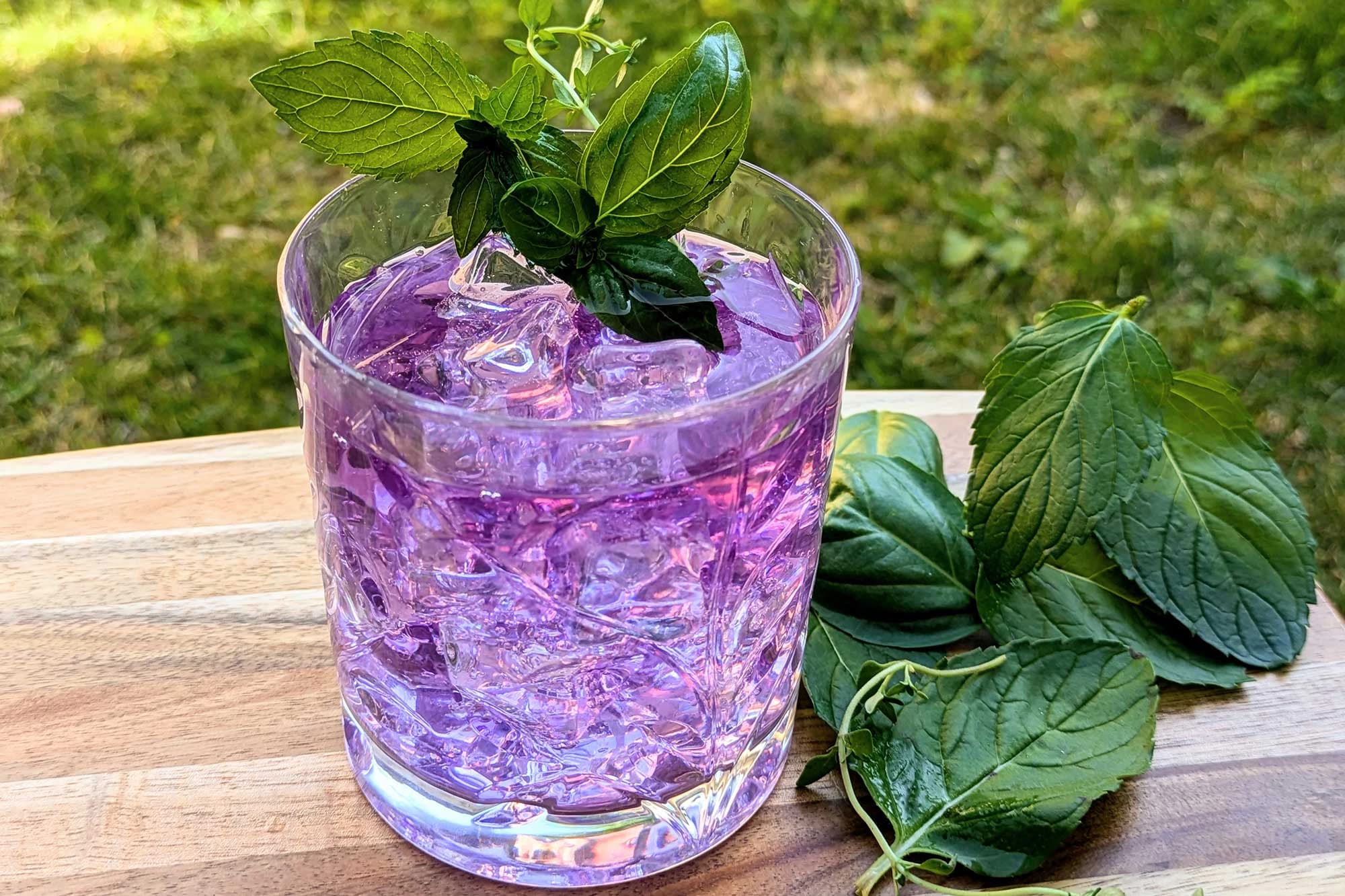
As the temperature soars, here are some simple ideas for refreshing cocktails that use artisanal spirits and modifiers to help you and your guests stay cool.

How producers design their barrel storage has a major impact on how whiskey ages—and, whether dunnage or rickhouse, one method’s drawback can be another’s strength.

Meeting the demand for bourbon brands whose owners want others to manage production, contract distillers are offering state-of-the-art facilities, high levels of customization, and a wide range of support in getting to market.

Launching a whiskey distillery is not for the faint of heart. Balancing the timing, financing, logistics, brand building, quality, creative expression, distillery construction, and legacy has left Andy Nelson feeling as much like a jack-of-all-trades as he does a head distiller.
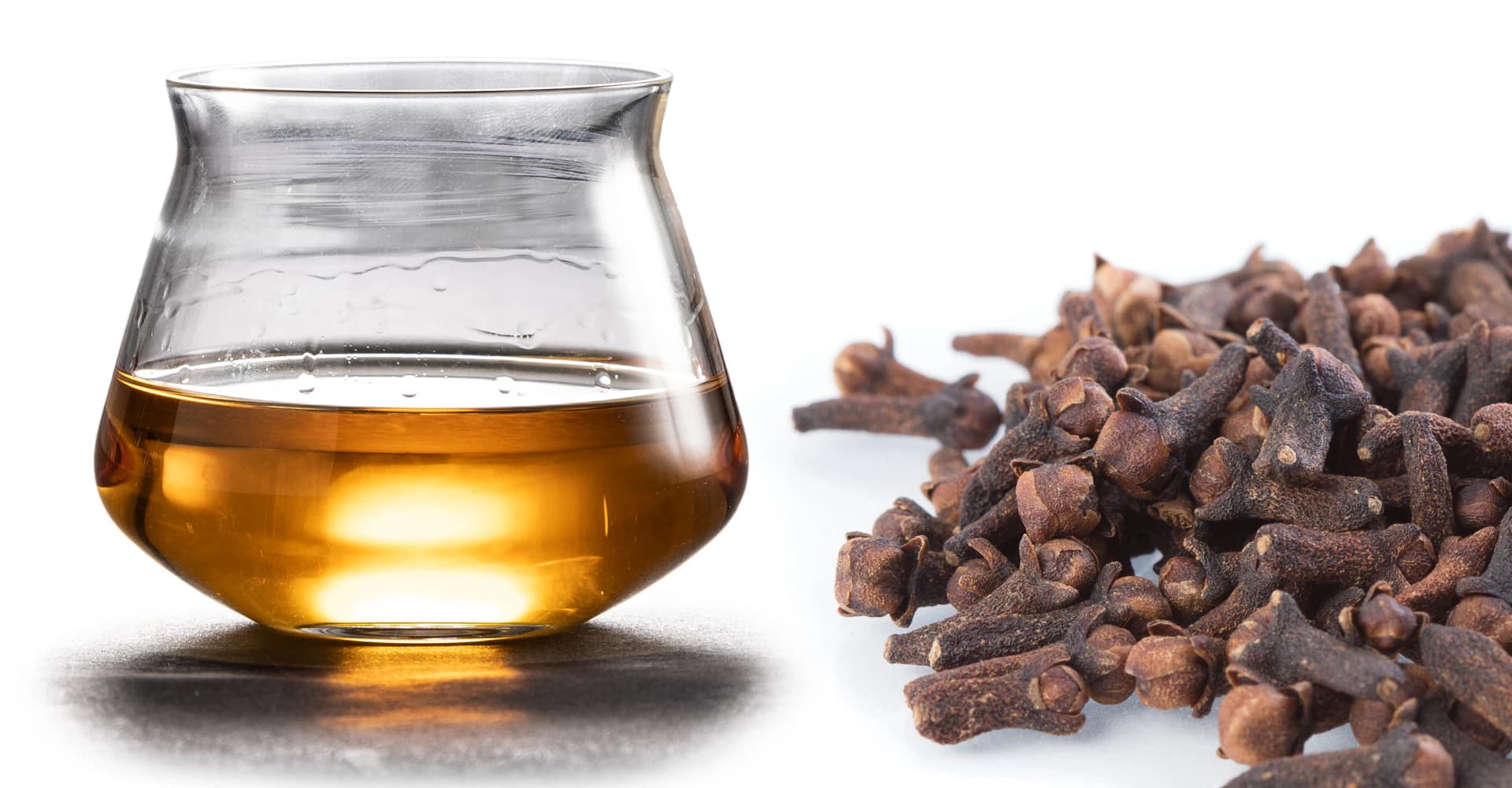
The spicy compound 4-vinyl-guaiacol occurs in many drinks, but among distillers, it’s best known as a flavor component of certain whiskeys—especially ryes. Whether you want to dial it up, dial it down, or just dial it in, here’s what to know.
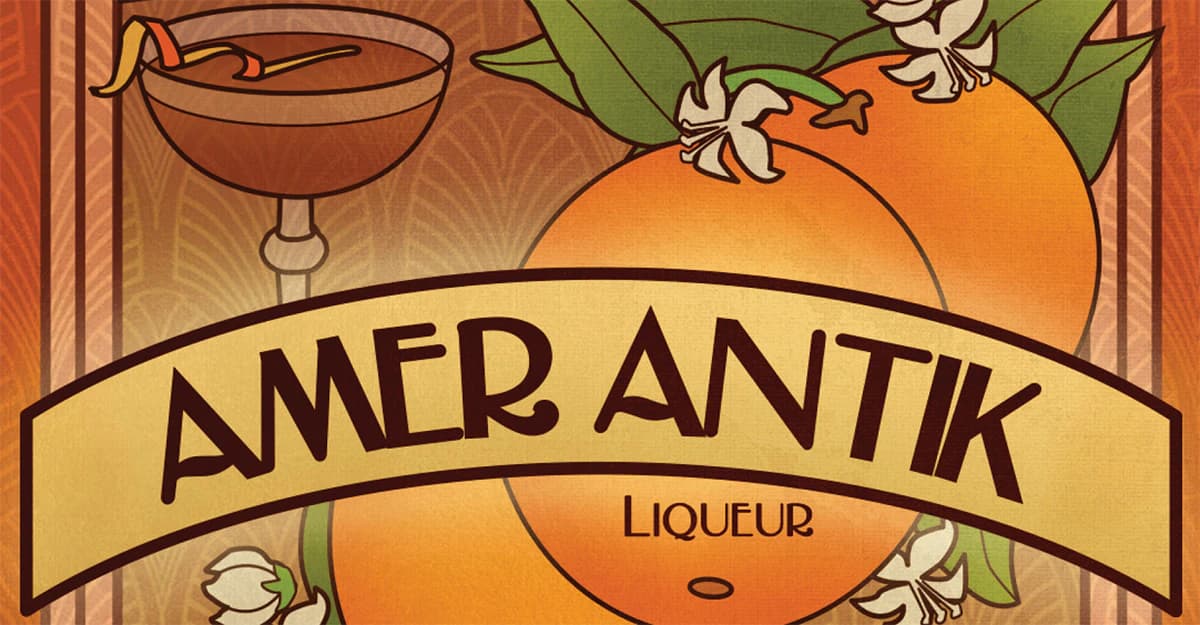
The Golden Moon Distillery in Golden, Colorado, recently closed its doors after 16 years of producing creative, award-winning craft spirits—such as its Amer Antik, closely based on a mid-19th century recipe. Here, Stephen Gould explains what went into the old-fashioned bitters, and he shares advice for up-and-coming distillers.
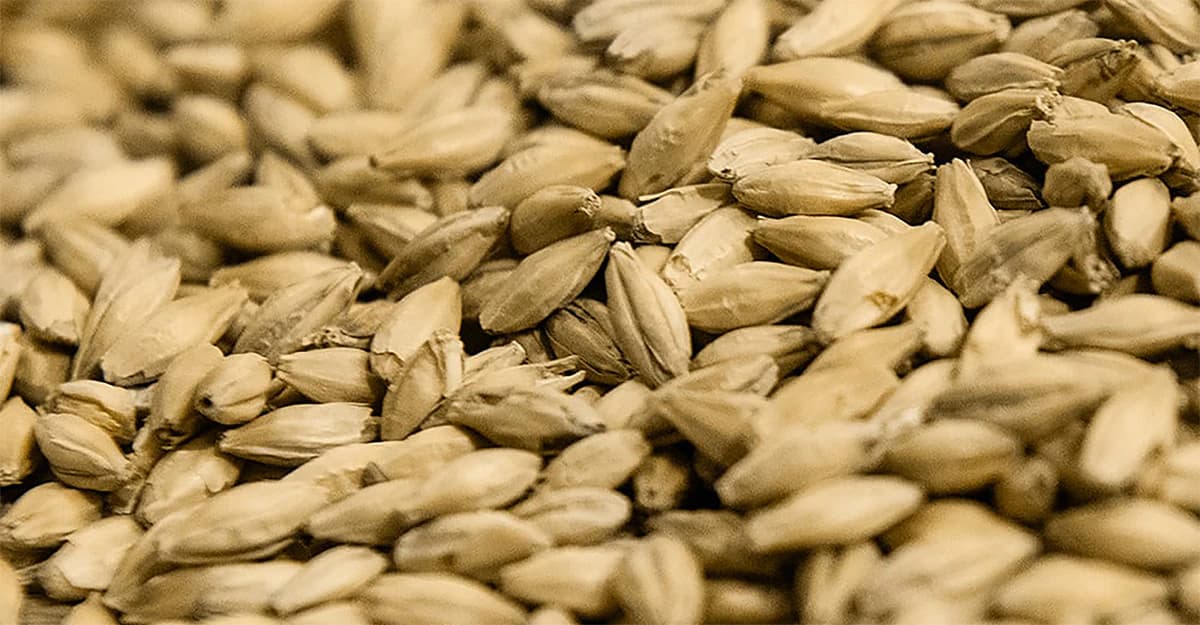
Don’t take that certificate of analysis for granted—the stats attached to your raw grain or malt can make a big difference in how you ferment and distill a consistent, quality spirit. Here’s what to know.
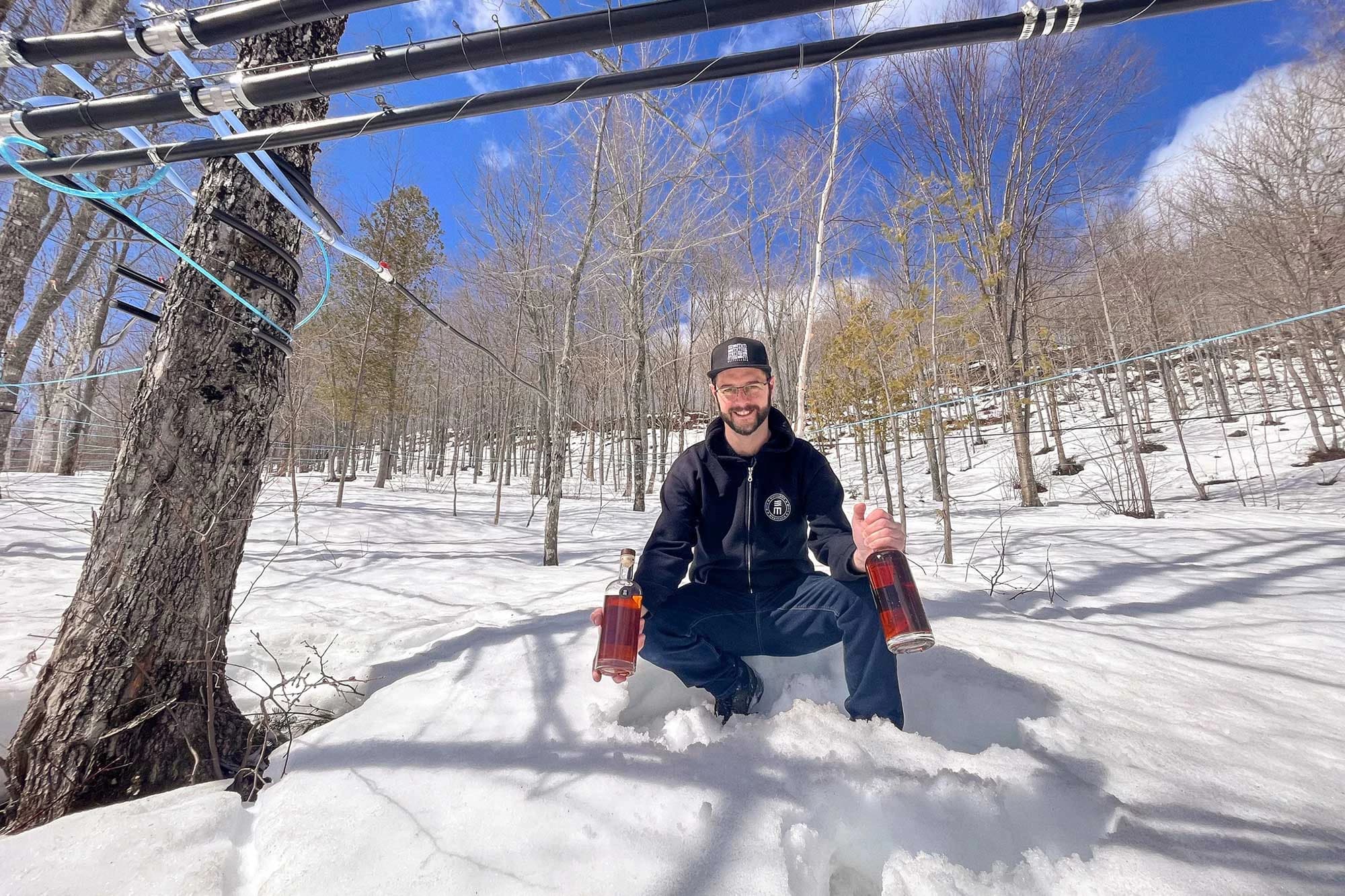
Spirits made from tree sap or syrup—usually maple, though other possibilities exist—are a widely overlooked opportunity for craft distillers to harness local flavor.

There’s no one best way to blend whiskey—but for this award-winning distiller and blender, the key is taking an approach that fits the intended goal.
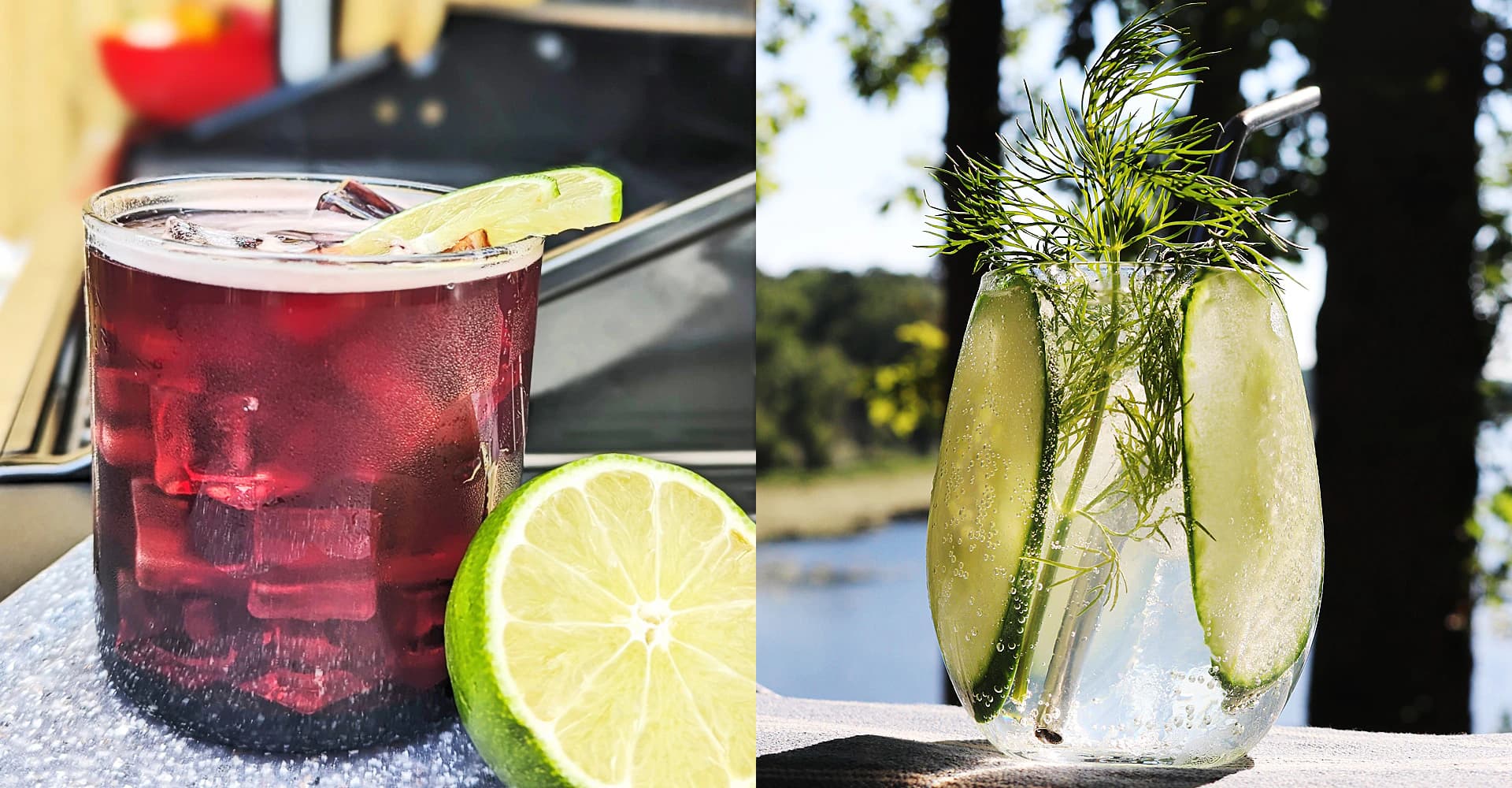
For Independence Day and beyond, here are some cocktails perfect for enjoying while you work the grill or enjoy those summertime foods kissed by fire.
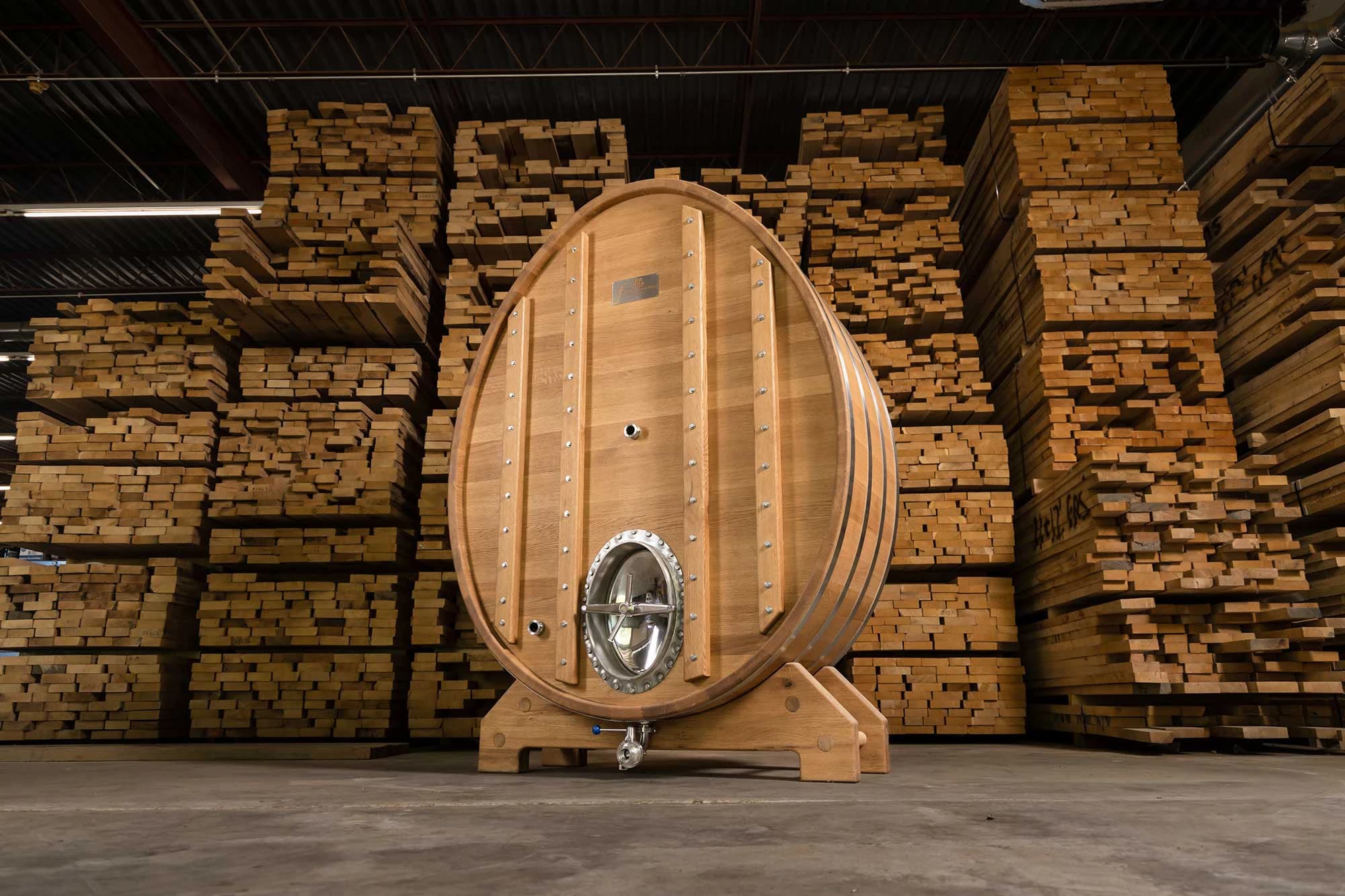
Like big, brown Easter eggs that contain surprises unique to each producer, some unusually shaped oak vessels for aging and blending are appearing in a few distilleries. While they aren’t for everyone, their owners tend to praise their impressive look and small footprint.
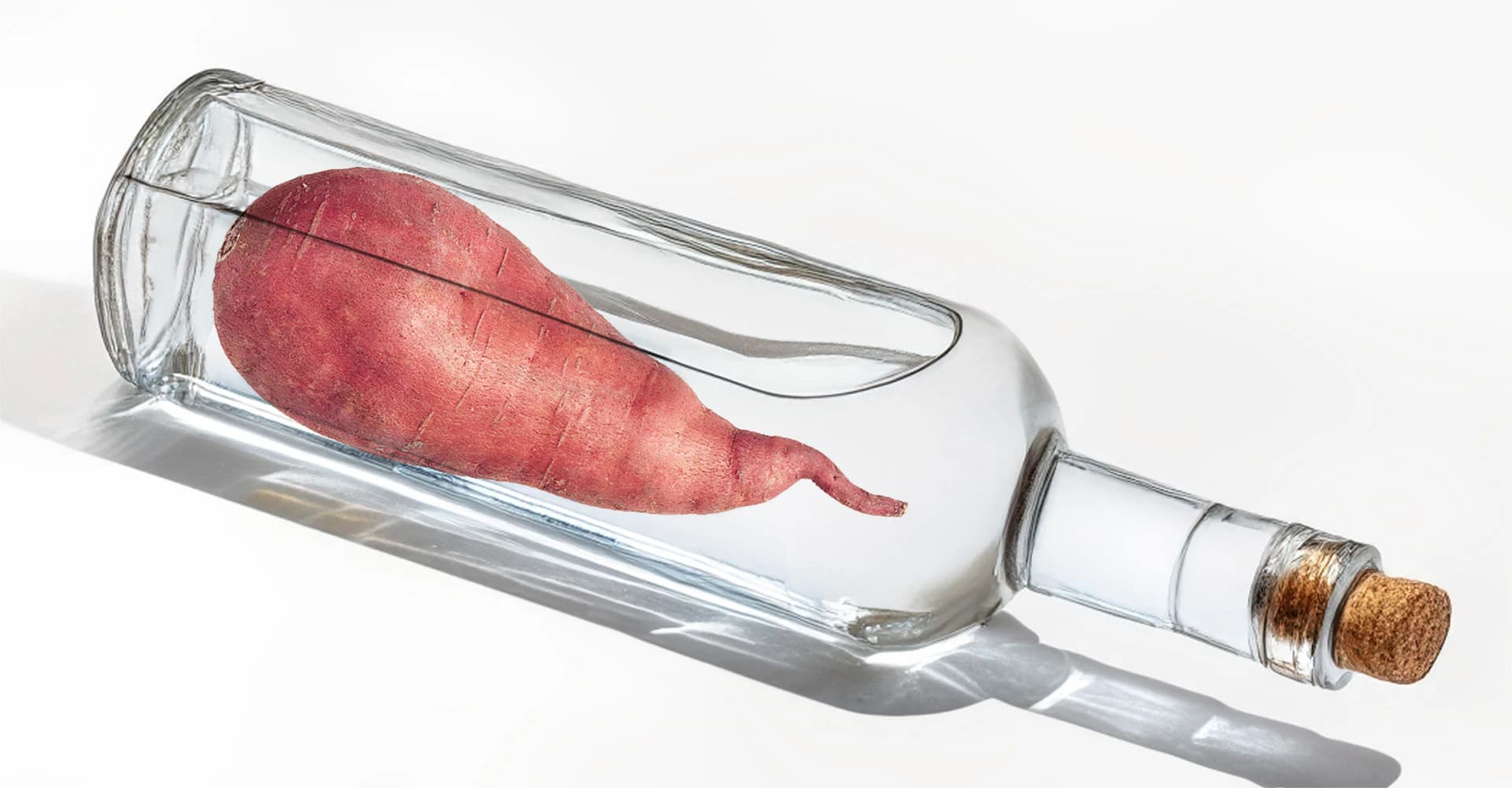
Craft distillers who are open to the wide world of vegetables may find fertile soil to grow spirits that stand out in the market.