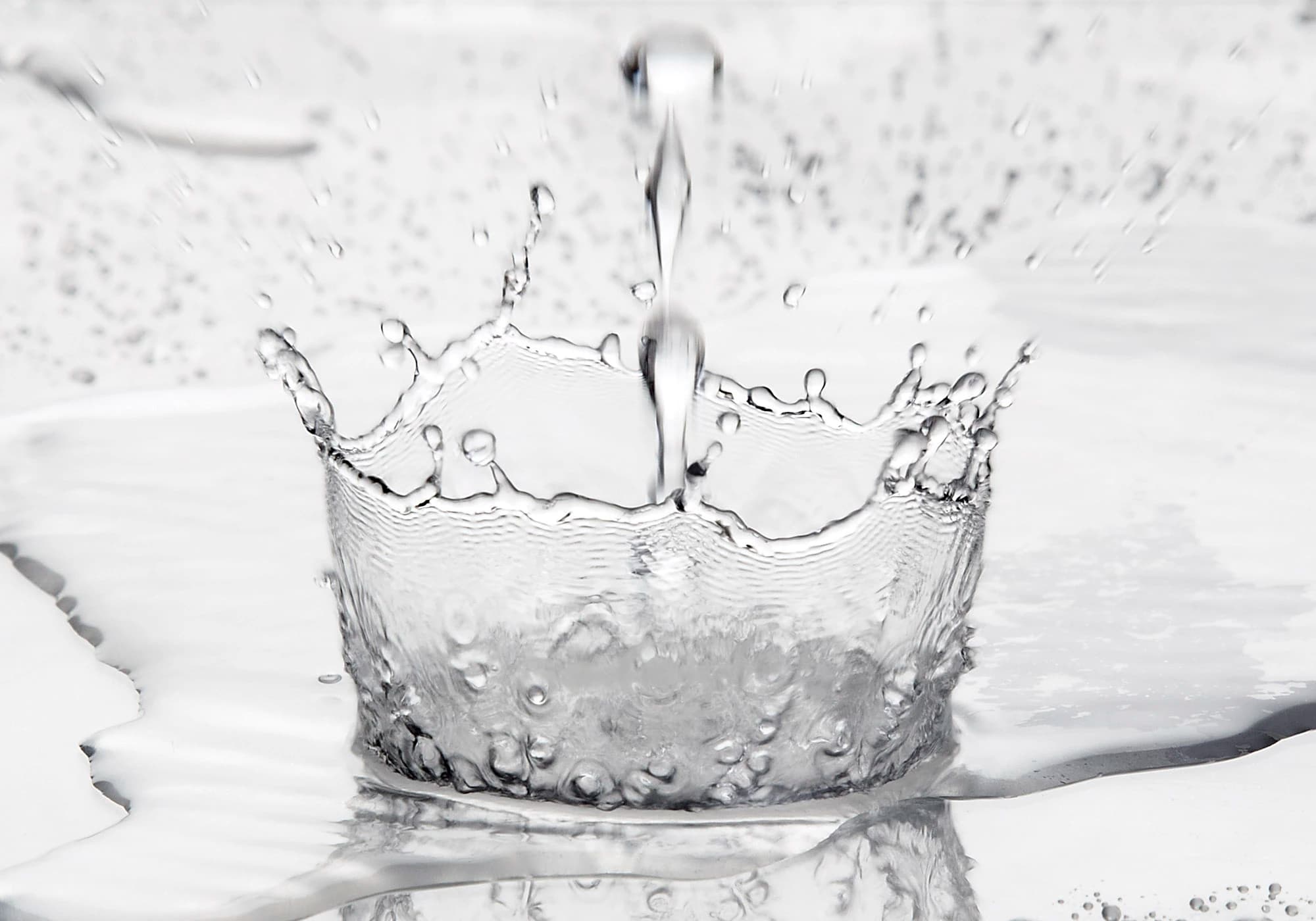
Water: It’s More than Just Hs and Os
Water is an essential component to producing high-quality spirits. Knowing how it affects your mash is what can take your products from good to great.

Showing 141-160 of 335 articles
Water is an essential component to producing high-quality spirits. Knowing how it affects your mash is what can take your products from good to great.
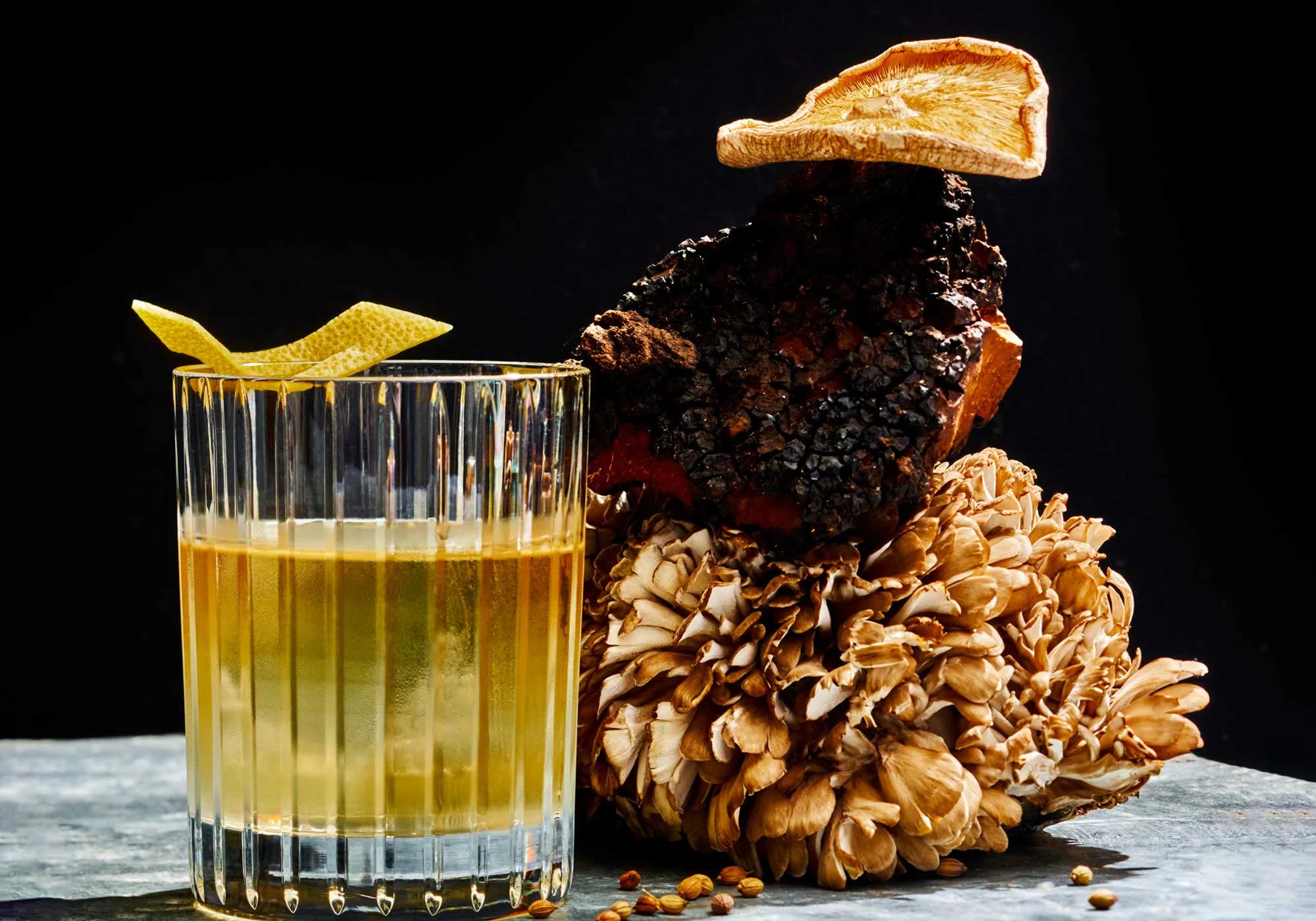
Mushrooms offer a range of characteristics that may appeal to consumers, whether they’re seeking flavor in spirits or function in NA beverages.
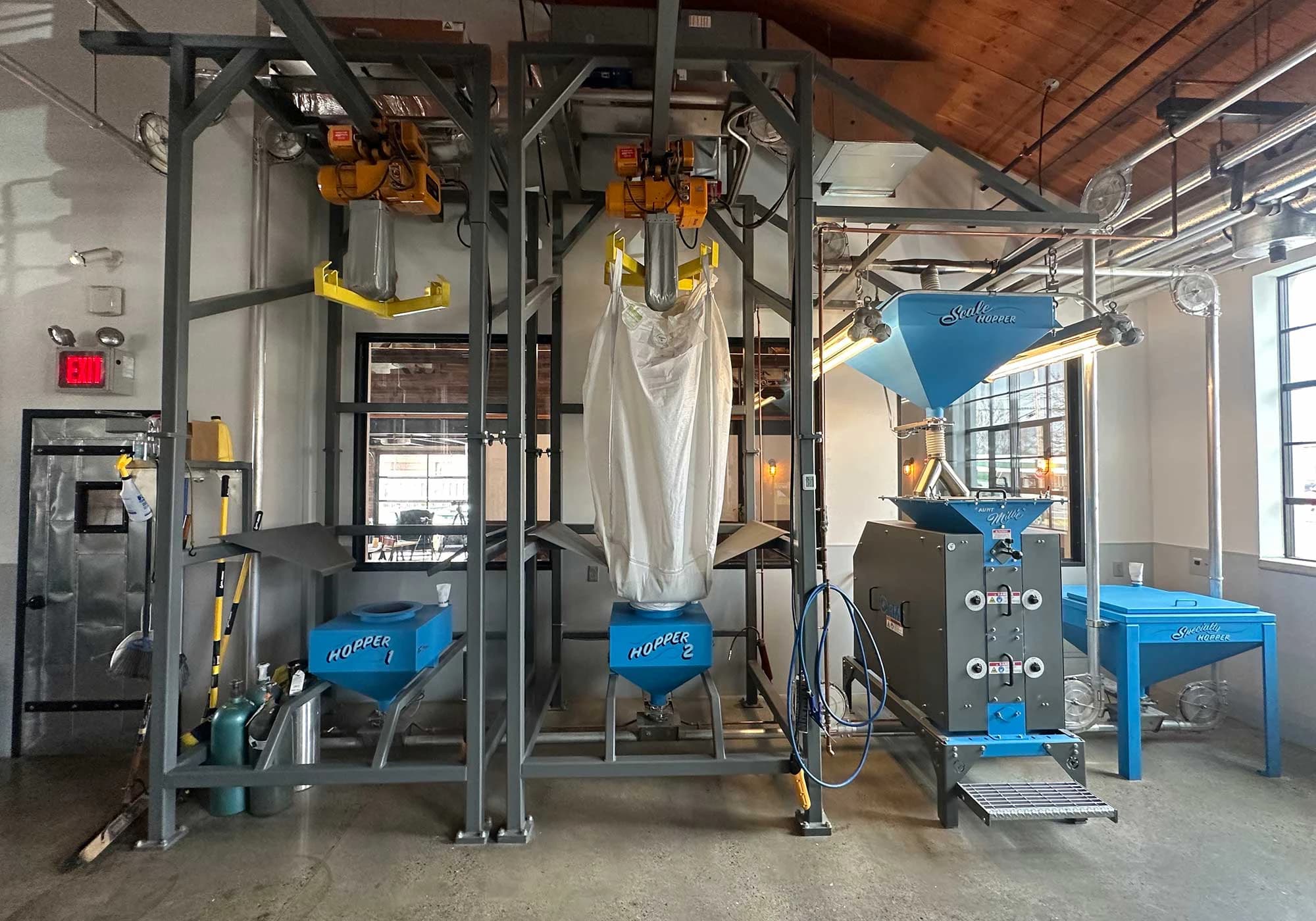
A distillery’s goals tend to influence its choice of equipment, as different spirits call for different ways to process grain or other fermentables. Here’s a primer.
Rum with distinctive character and refined expression is key for this Maryland distillery, and head distiller Brett Steigerwaldt doesn’t leave flavor up to fate.
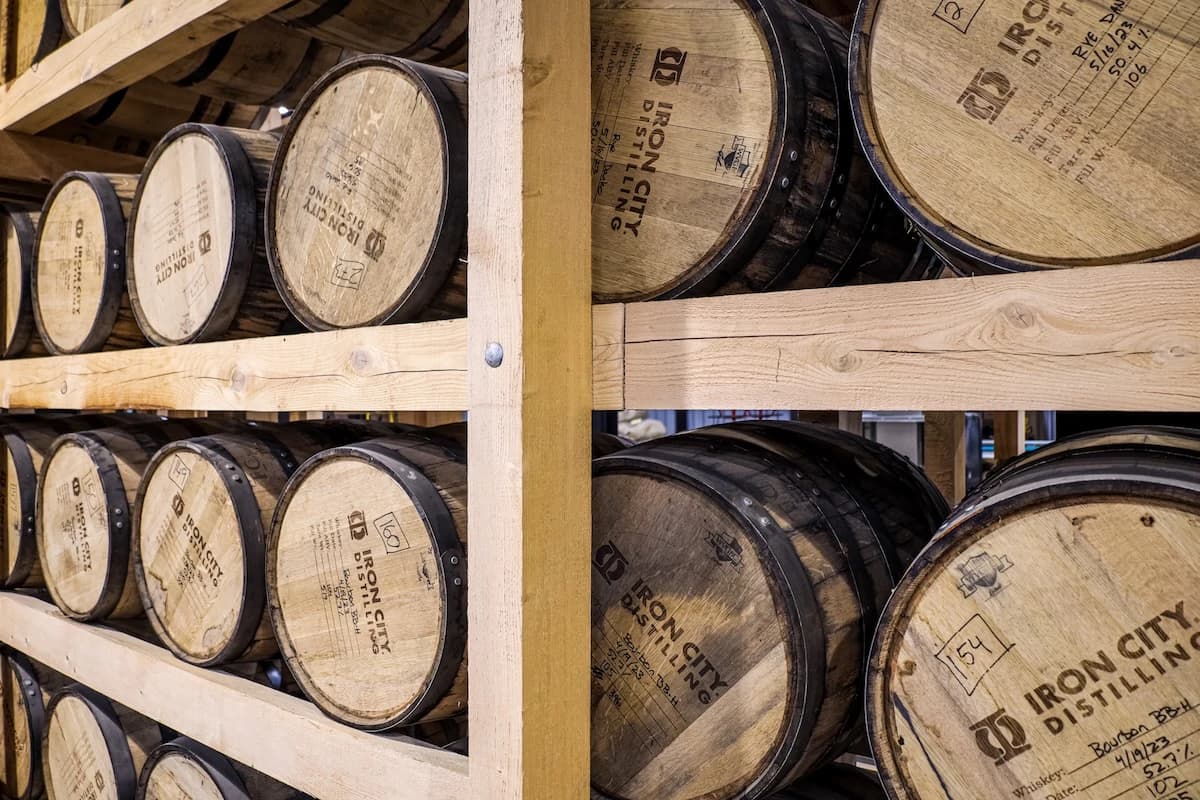
The available data around flavor impacts is unclear—even contradictory—but this much we know: Distilling a range of strengths for the barrels will give you a broader range of blending options.
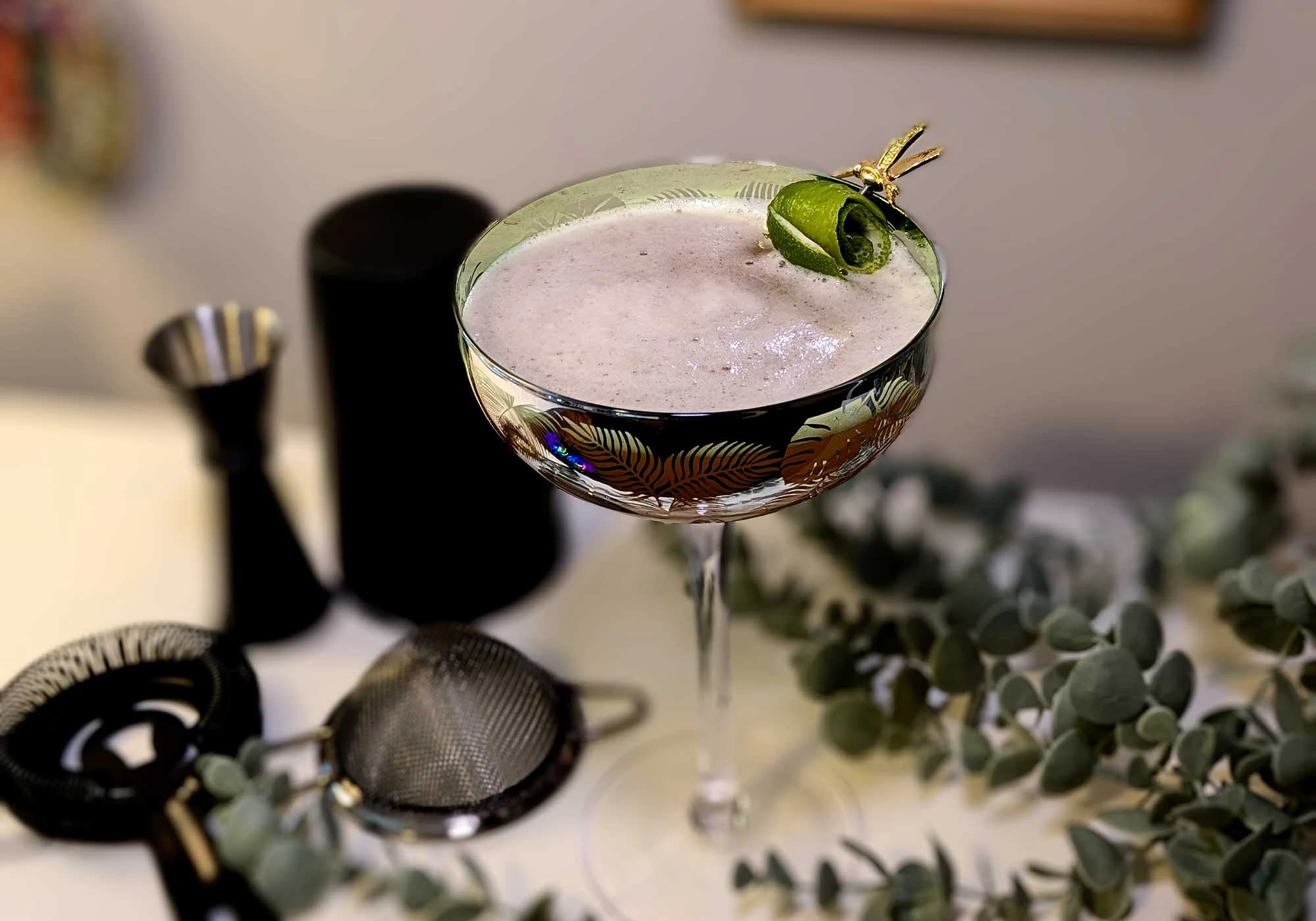
For Women’s History Month, we mix up some cocktails in honor of those who pushed for a seat at the table and a place behind the bar.
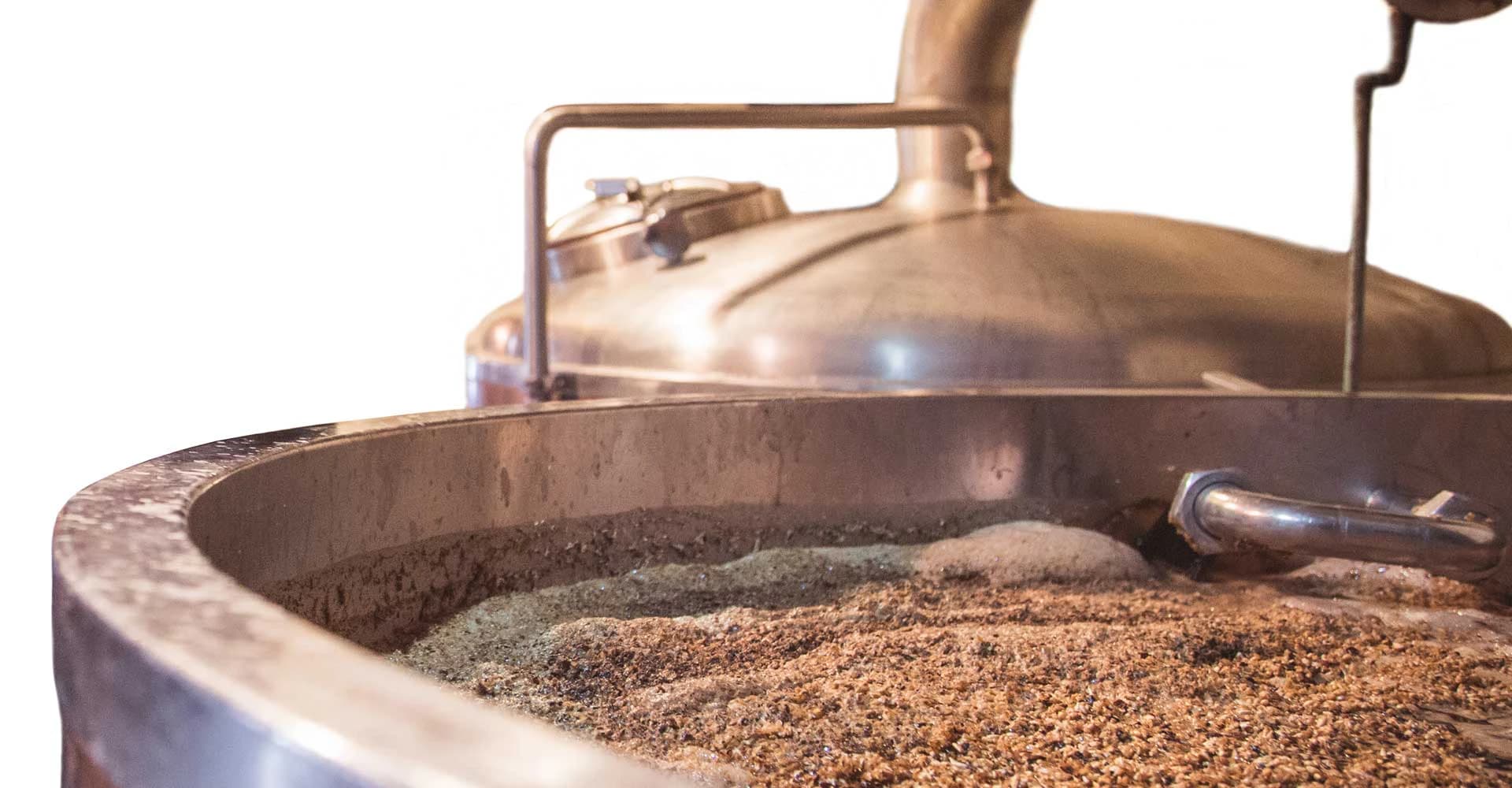
Understanding the fundamentals of proper mashing or cooking can be essential to producing good spirits.
As a chemist with a background in pharmaceutical quality, Ashley Barnes developed scientific discipline and a data-driven approach. Now as master blender at the Blending House, she applies that same rigor to the subject of aging and blending spirits.
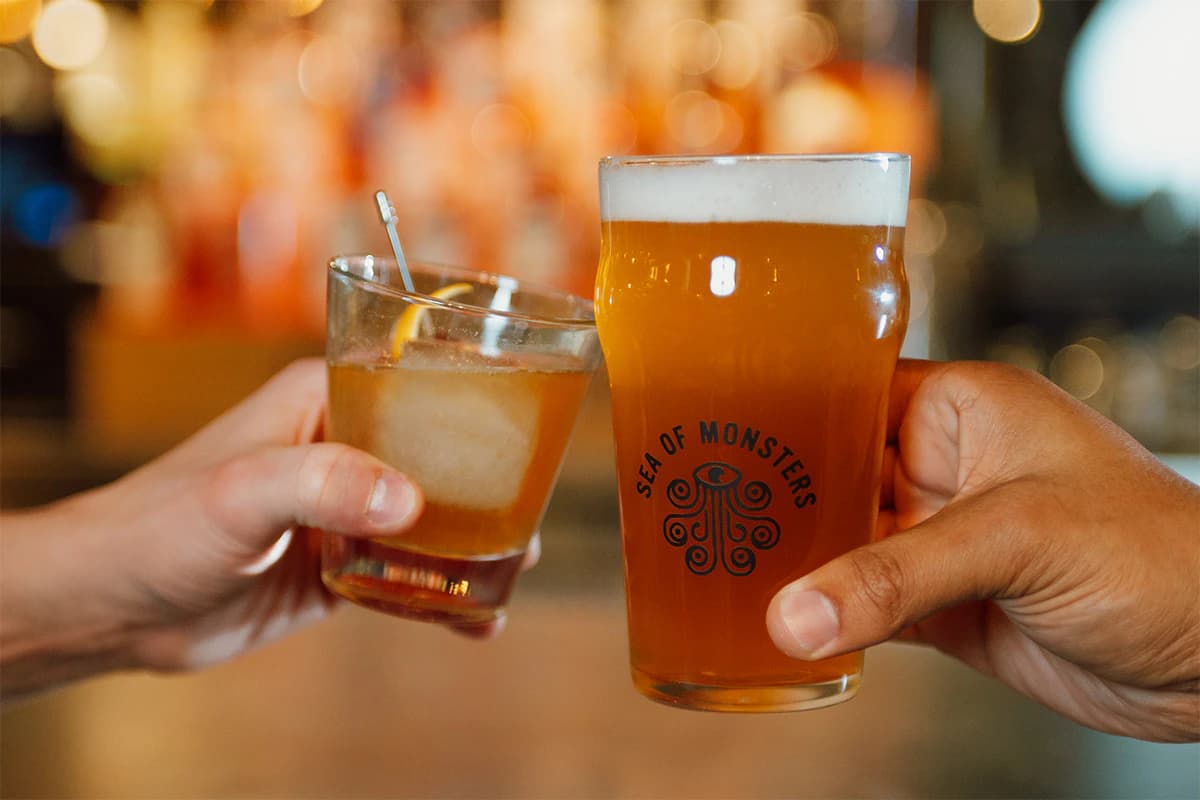
Adding a brewery to a distillery—or vice versa—can open up some options for makers, bringing new efficiencies and opportunities for creativity.

Aging barrels on rivers and waterways offers distillers a unique profile—and an intriguing story—for their spirits. However, there are some legal and technical challenges to overcome.
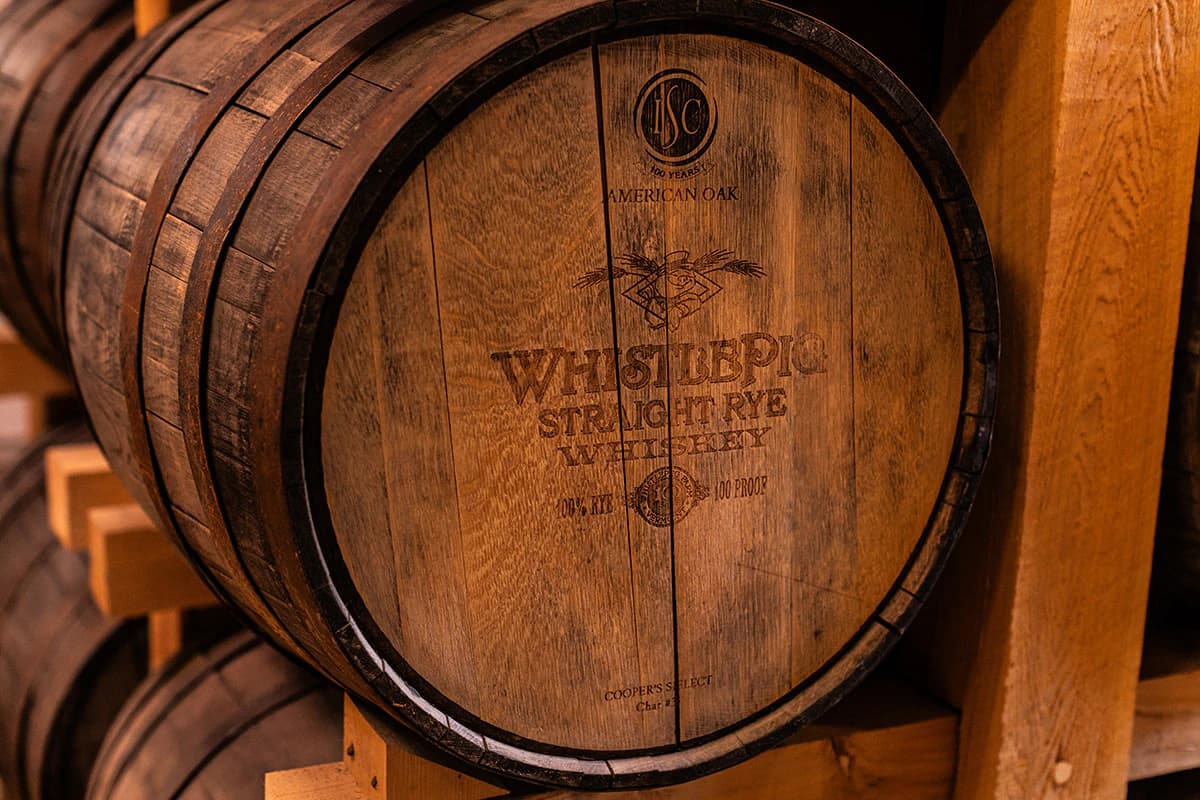
R&D distiller Mitch Mahar describes the innovation program that helps WhistlePig choose single-cask finishes worth pursuing, as well as potential threads for their annual Boss Hog special release.
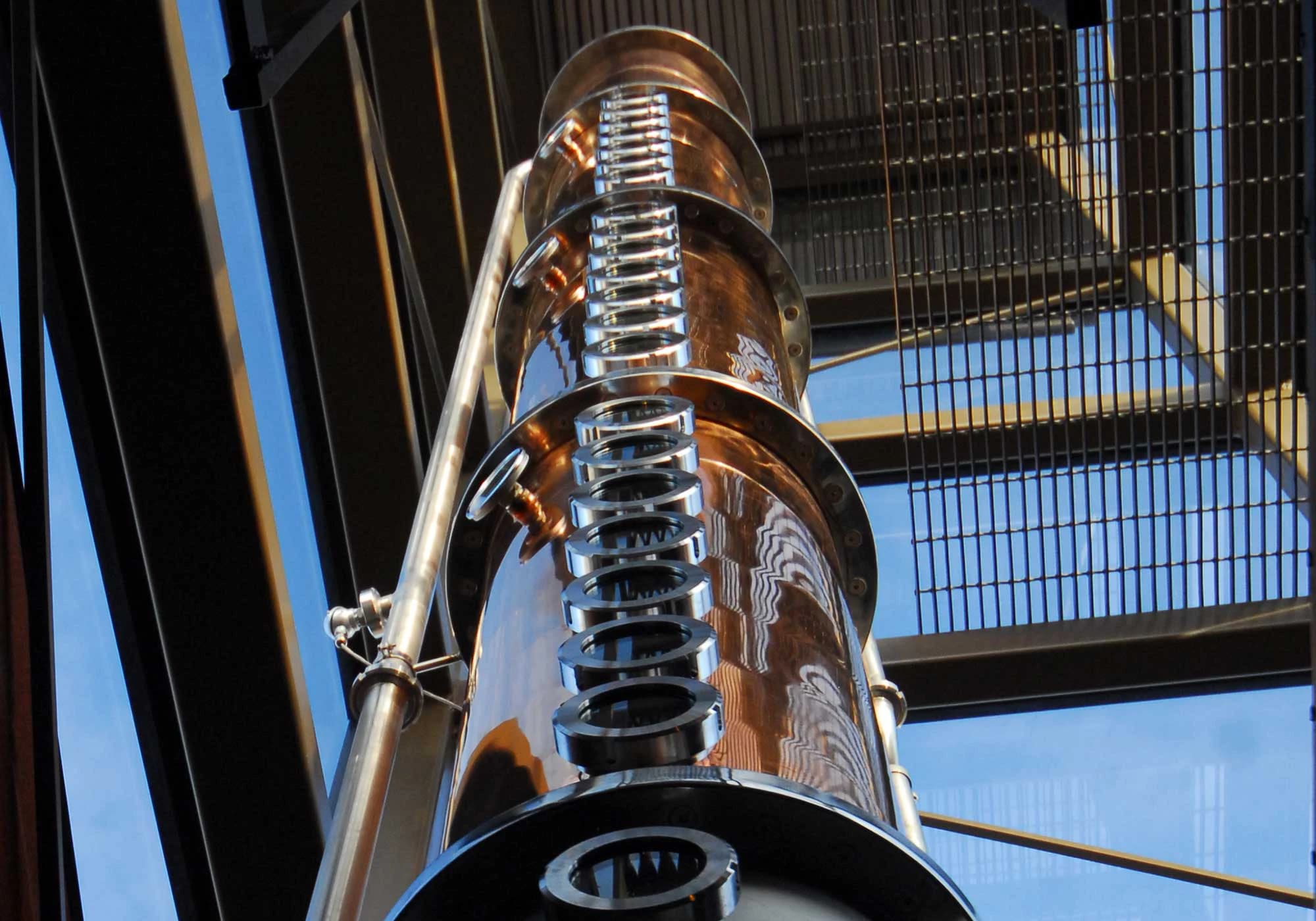
A distiller’s choice of still design can have a significant impact on their product lineup—and vice-versa.
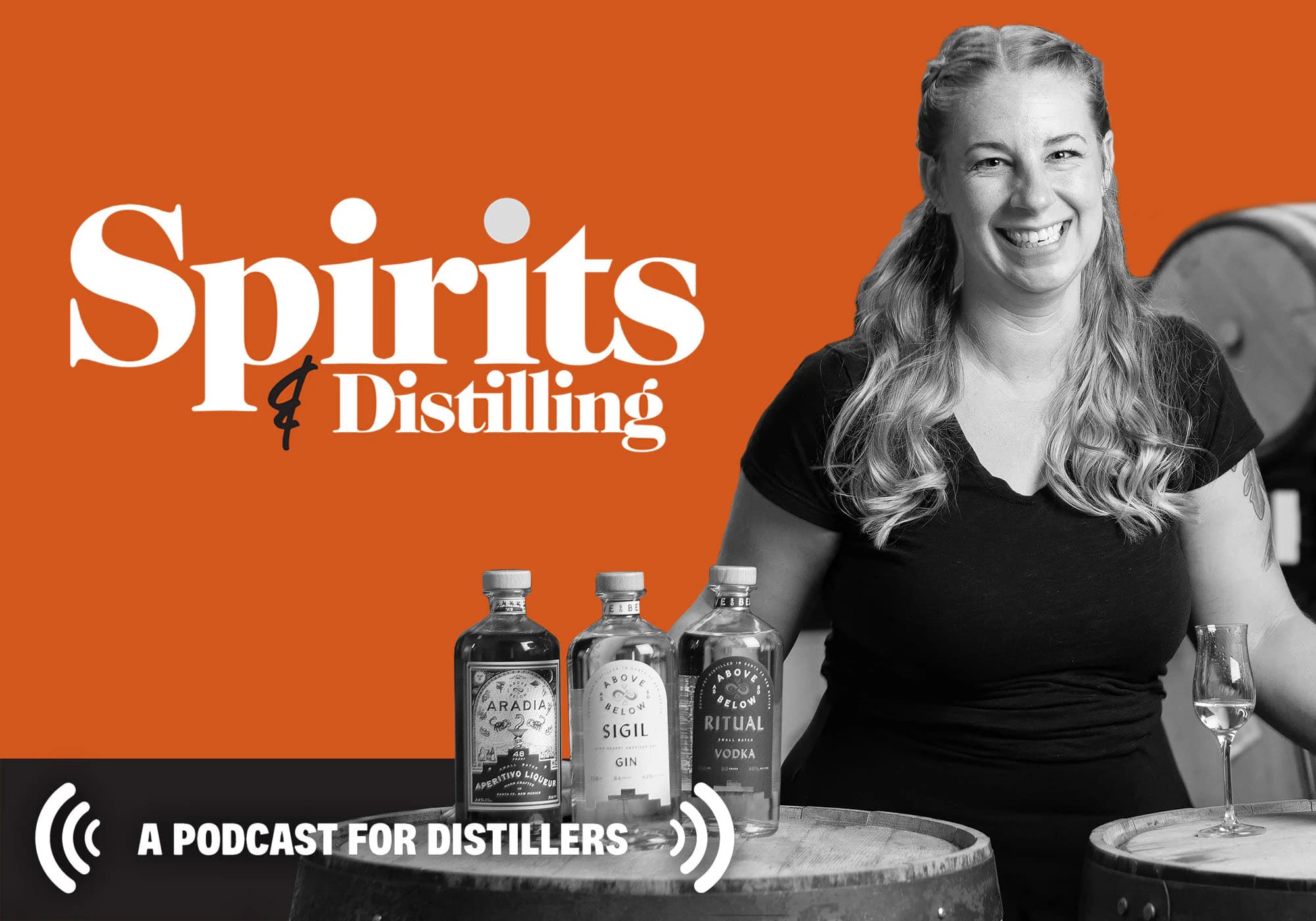
Character and expression in “simple” vodka distillations? Is it really possible? The cofounder and master distiller behind this Santa Fe, New Mexico, craft distillery not only thinks so, but she walks through her process of using atypical grains and other ingredients to produce vodka with spirit and verve.
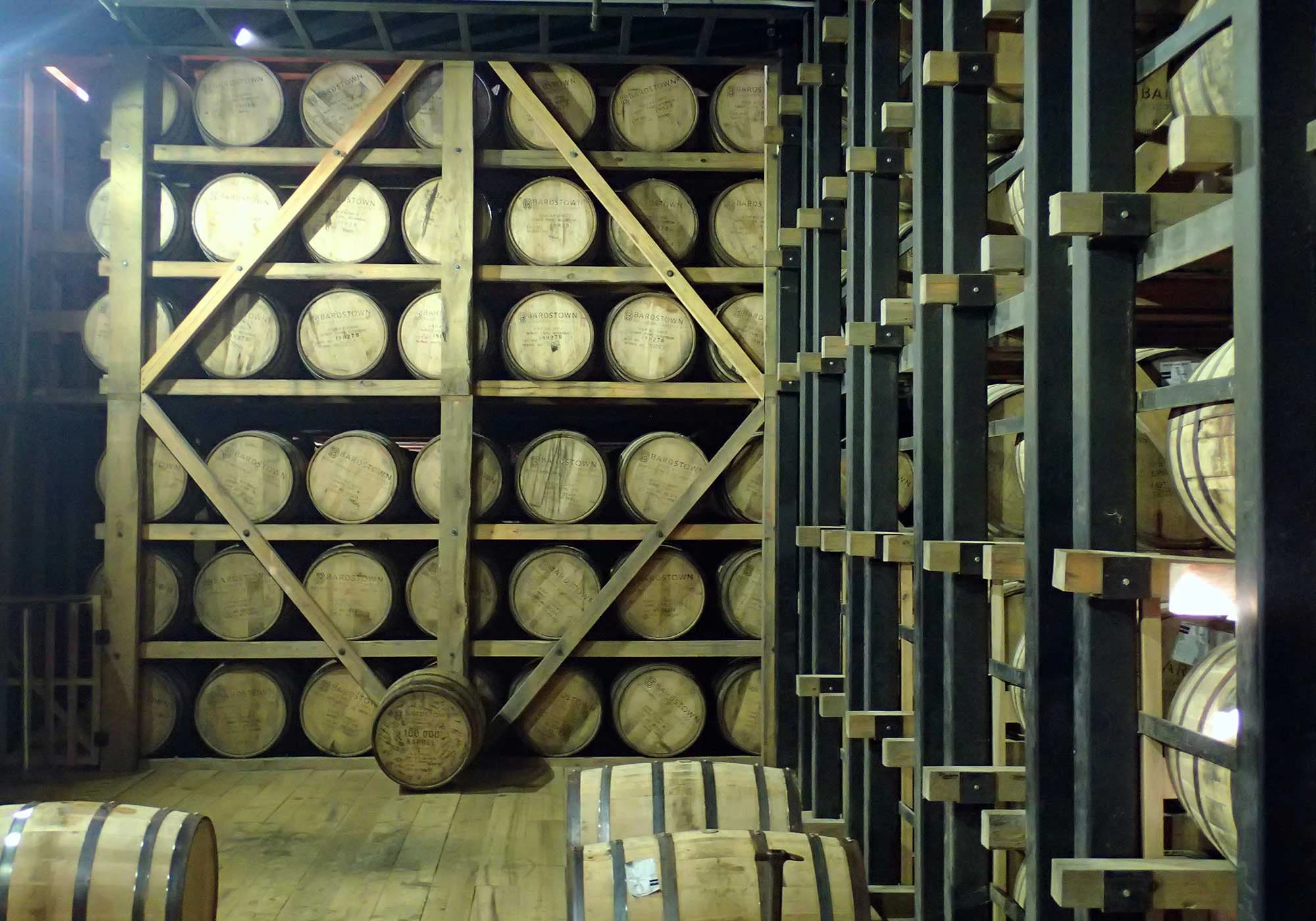
Oh, the sweetness of loss… Here’s how and why the slow, inevitable reduction of cask-aged spirit plays a valuable role in its maturation and flavor—and why some people try to prevent it anyway.
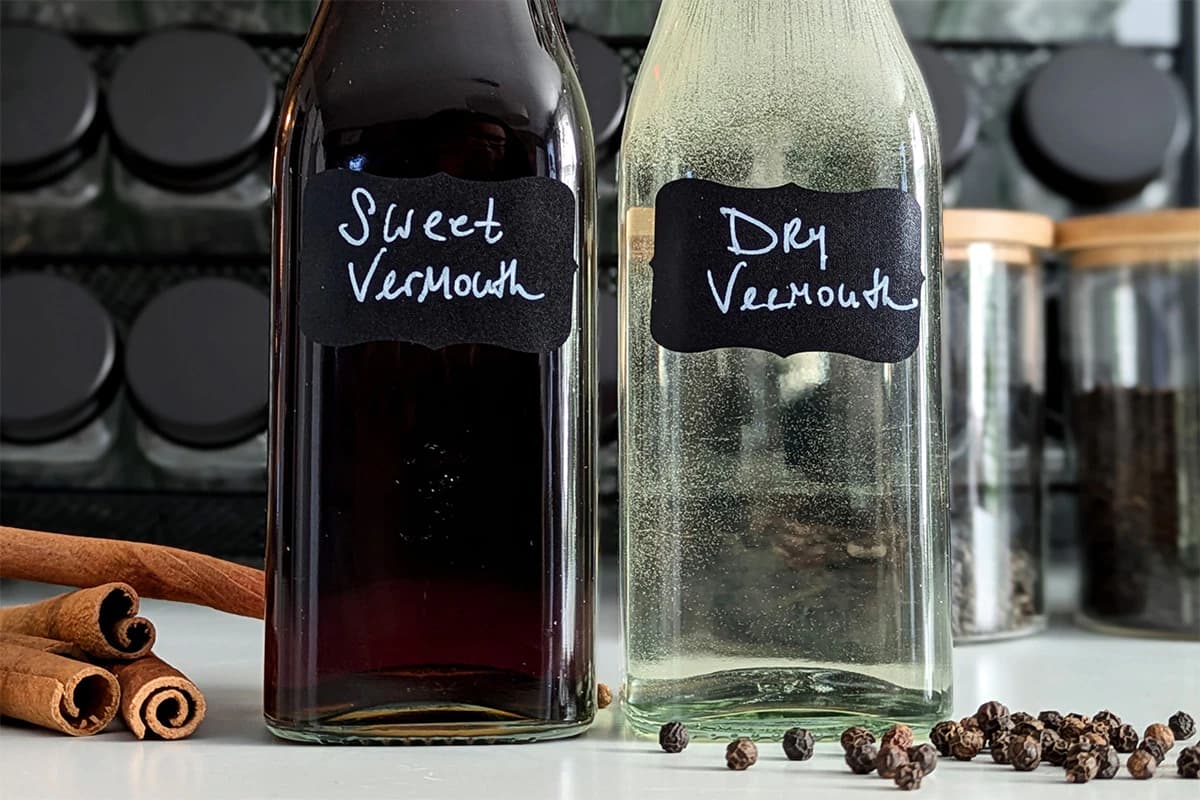
Making vermouth at home allows for endless exploration and limitless flavor opportunities.
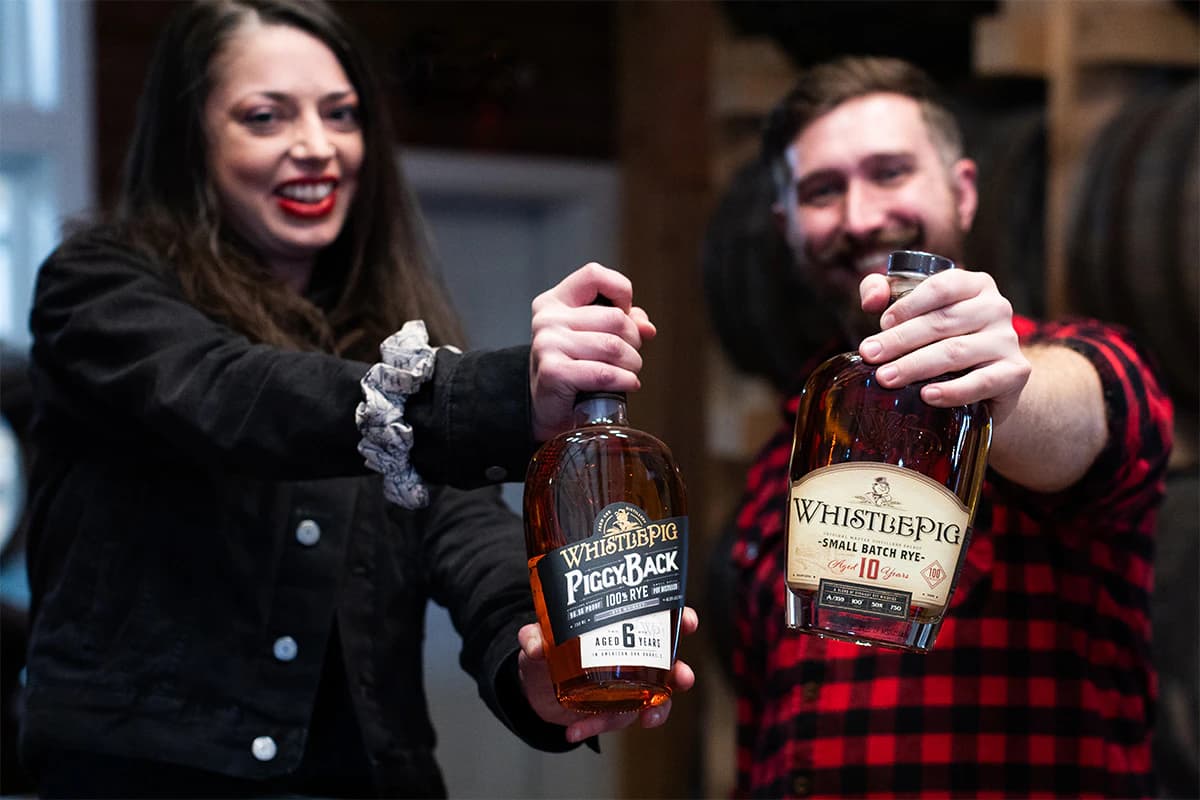
In this clip from their video course, WhistlePig R&D distiller Mitch Mahar explains how the rye harvest can affect their choice of barrels for aging the spirit, as well as how cask placement can affect the final product.
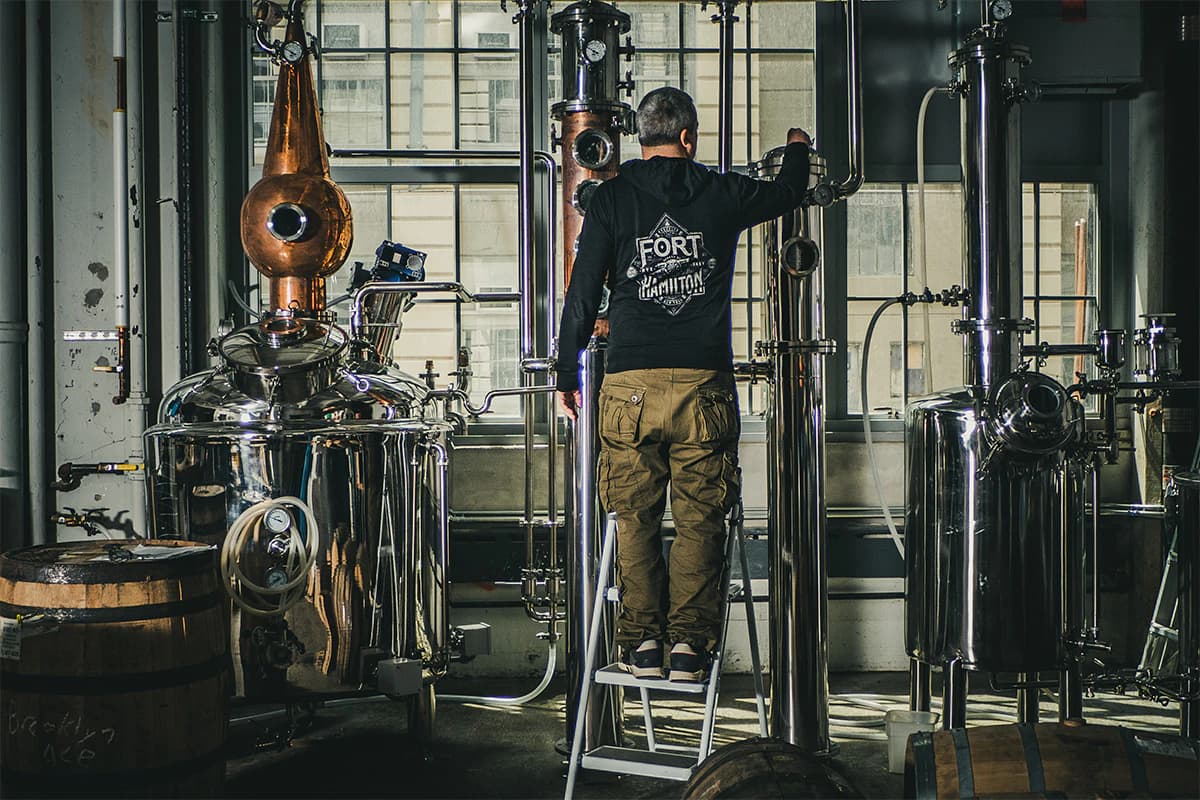
A smaller space requires any producer to be flexible—but that nimbleness can also be a strength.
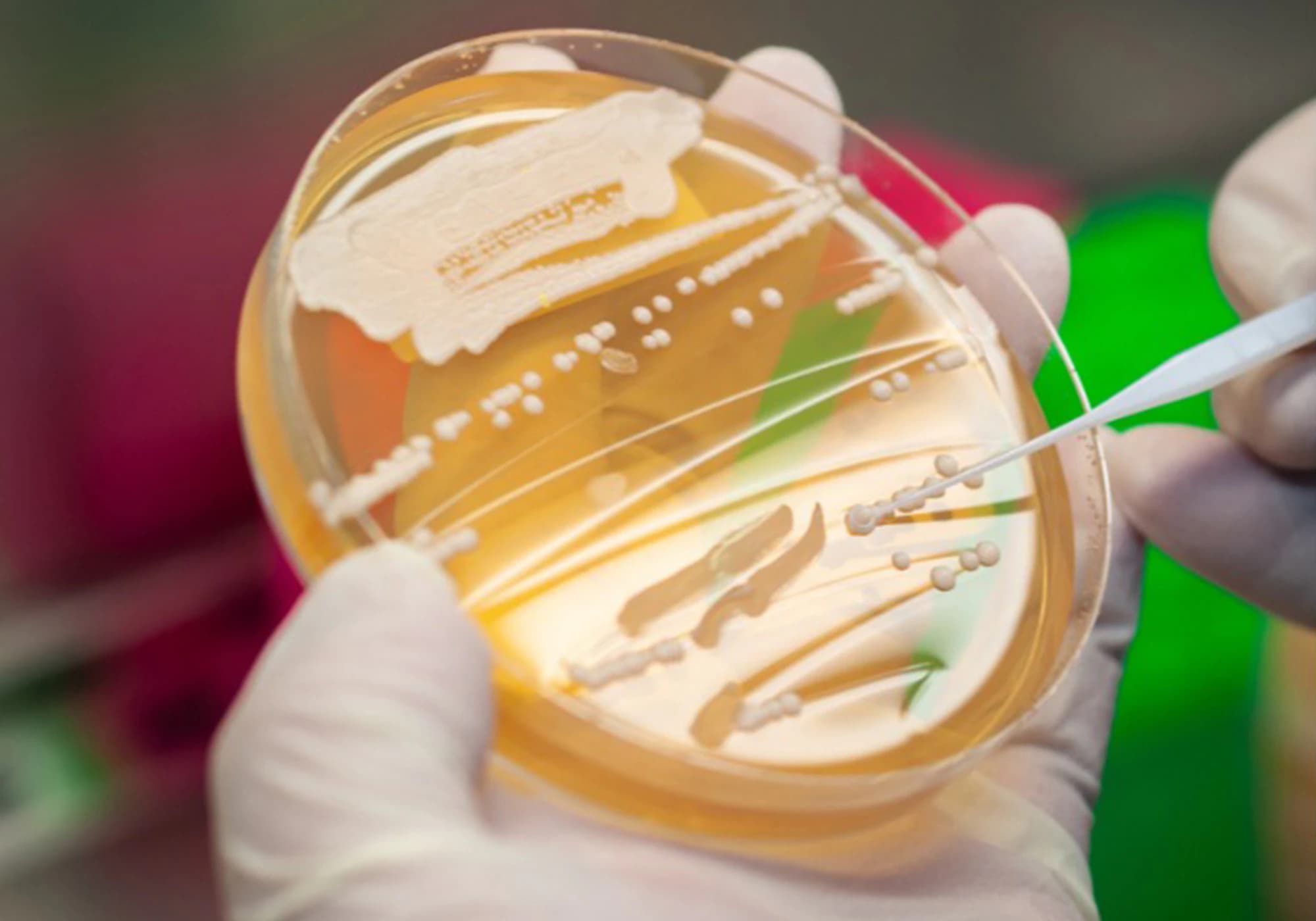
Understanding the science behind brewer’s yeast and how it differs from distiller’s yeast can help you optimize your fermentation and create uniquely complex spirits.
There’s more to agave than Blue Weber, and Gian Nelson is on a mission to show just what’s possible with California agave through careful work with growers, adaptive fermentation processes, and an embrace of the inherent inefficiency of agave in general.
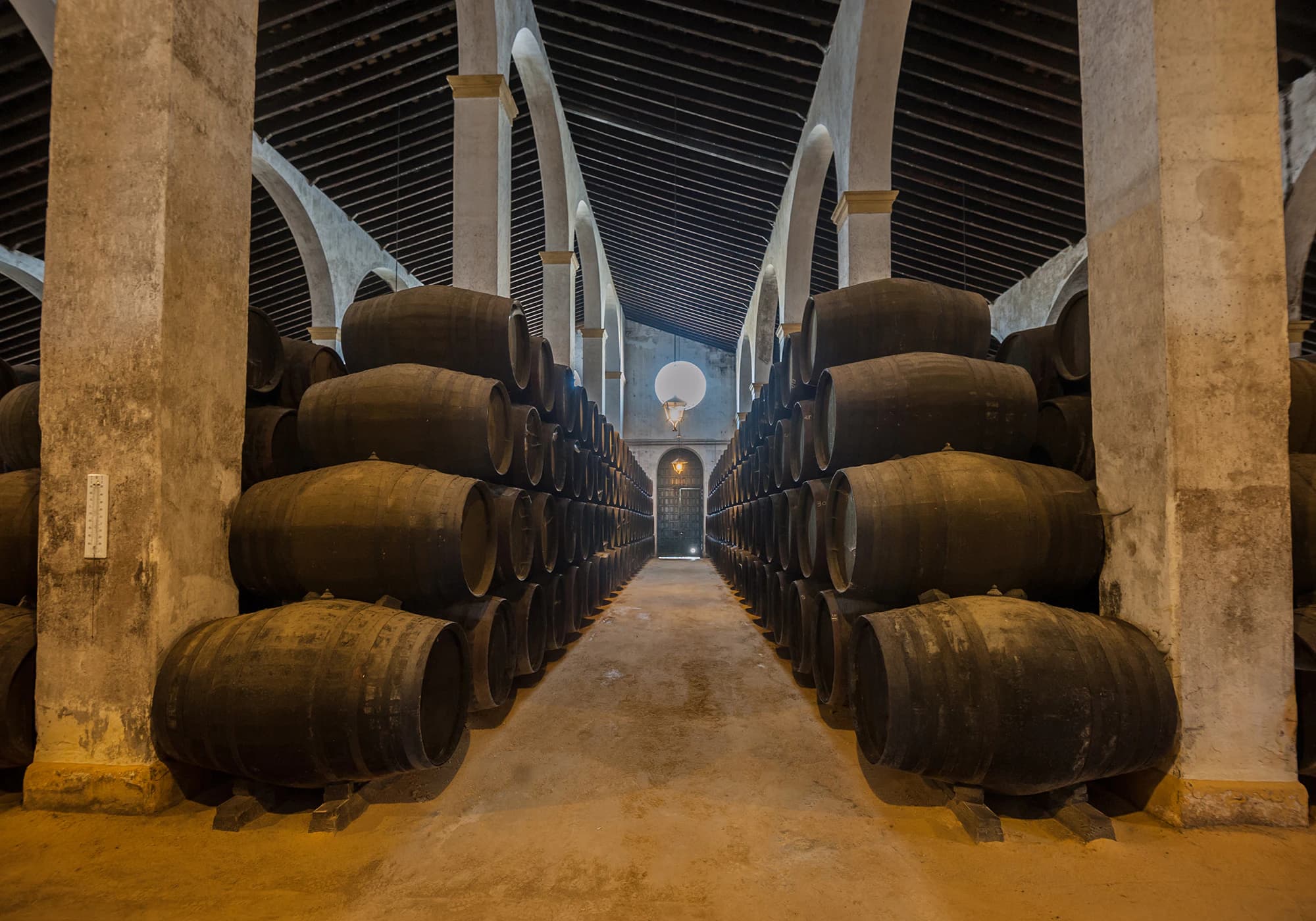
Port, sherry, and other wines offer distillers a wide variety of options to accentuate their whiskeys.