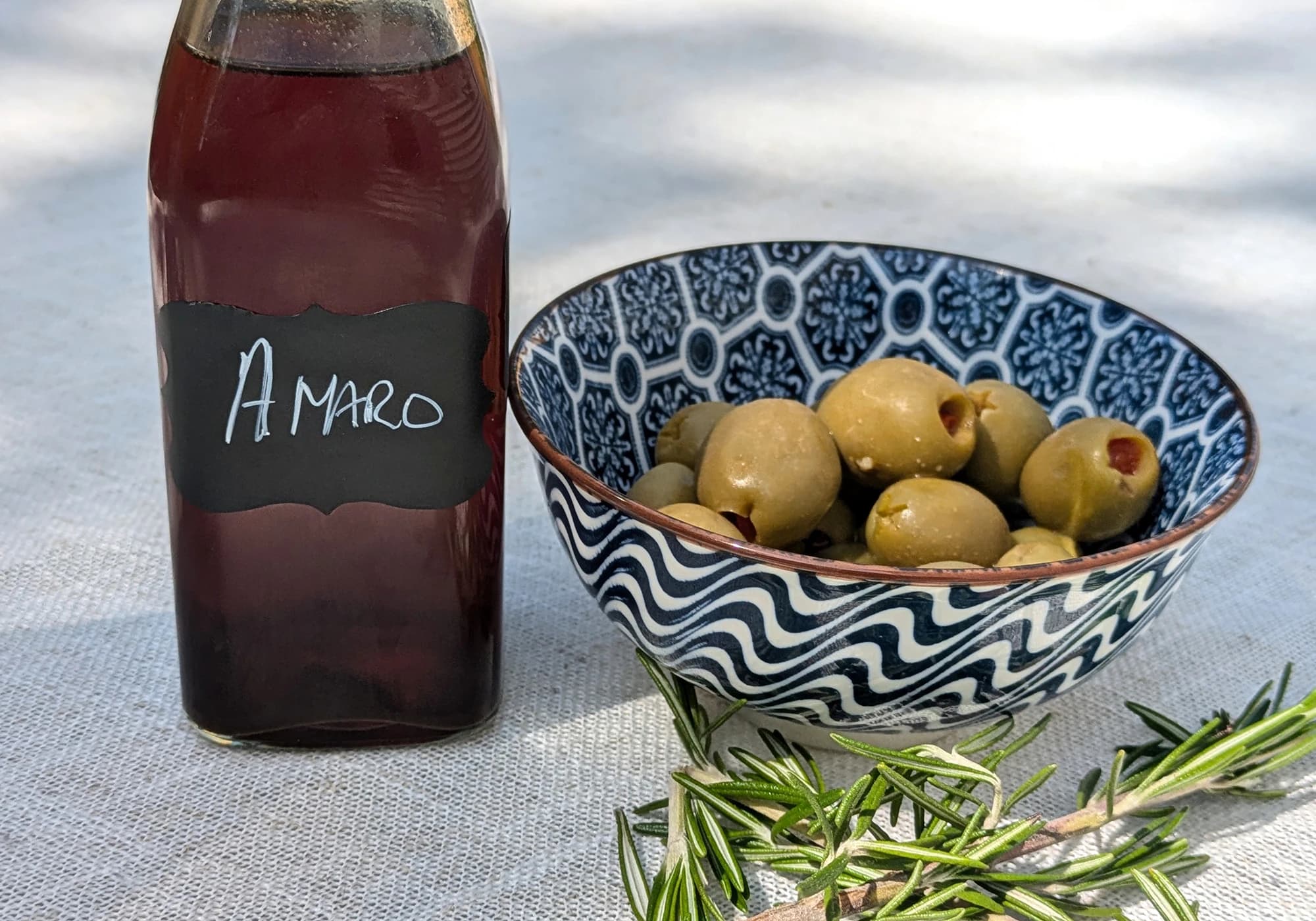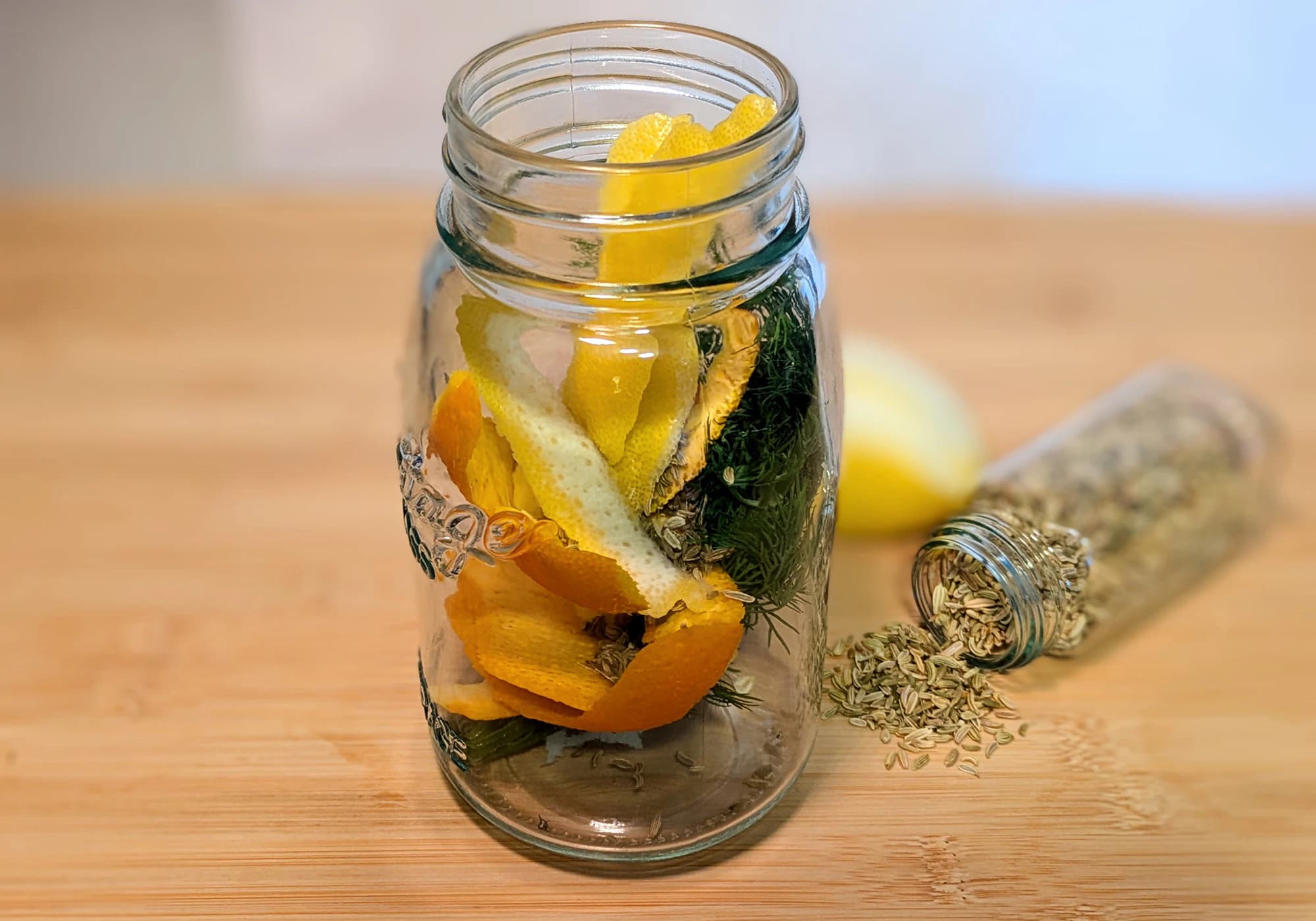
From Wine to Wonder: The Art of Homemade Vermouth
Making vermouth at home allows for endless exploration and limitless flavor opportunities.
Showing 121-140 of 301 articles

Making vermouth at home allows for endless exploration and limitless flavor opportunities.

In this clip from their video course, WhistlePig R&D distiller Mitch Mahar explains how the rye harvest can affect their choice of barrels for aging the spirit, as well as how cask placement can affect the final product.

A smaller space requires any producer to be flexible—but that nimbleness can also be a strength.

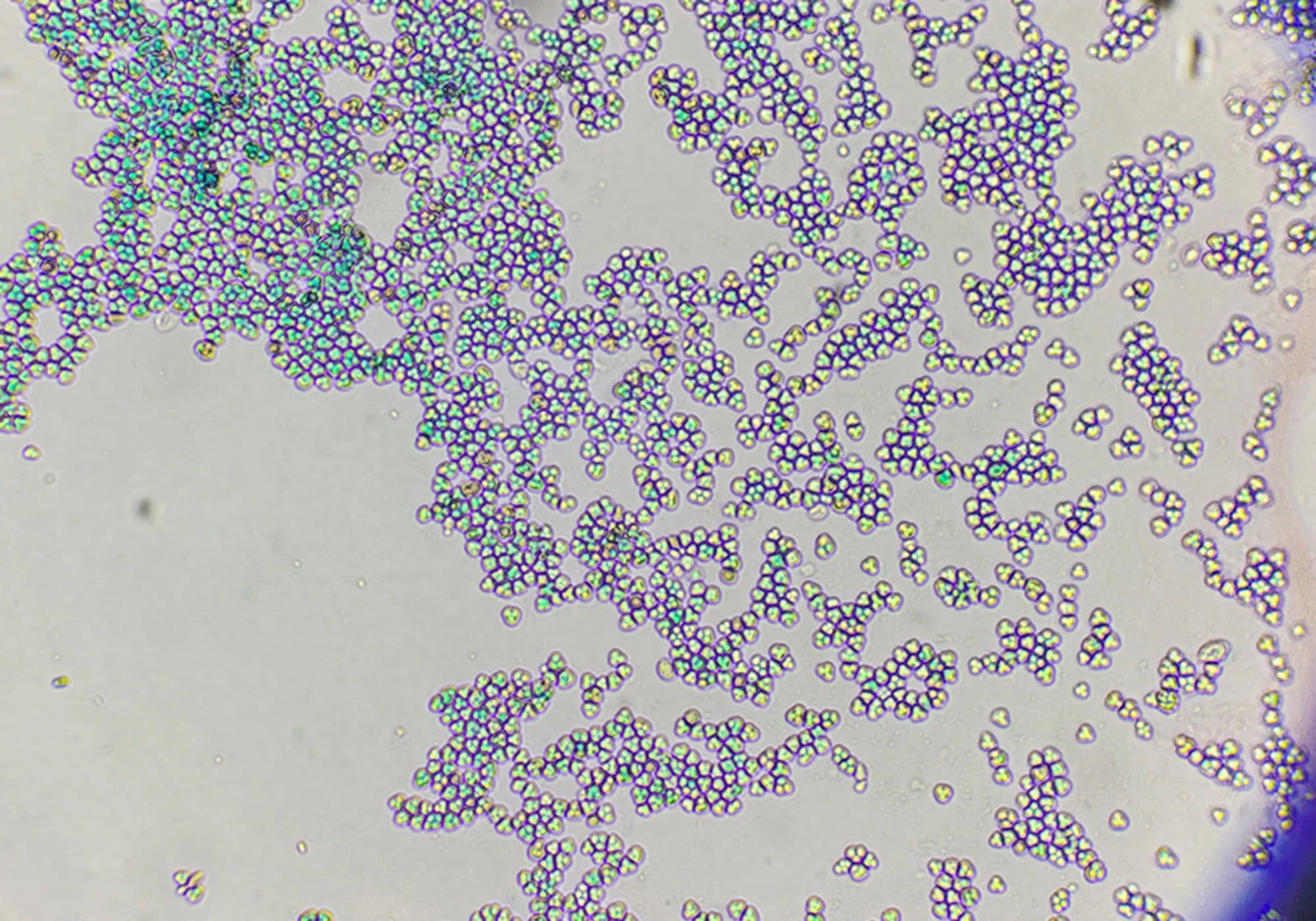
Understanding the science behind brewer’s yeast and how it differs from distiller’s yeast can help you optimize your fermentation and create uniquely complex spirits.

There’s more to agave than Blue Weber, and Gian Nelson is on a mission to show just what’s possible with California agave through careful work with growers, adaptive fermentation processes, and an embrace of the inherent inefficiency of agave in general.

Port, sherry, and other wines offer distillers a wide variety of options to accentuate their whiskeys.

Distillers need to understand the potential for variability when taking batches from small scale to large scale, and vice-versa.

The TTB has announced the new style designation for American single-malt whiskey—an achievement years in the making, and one that distillers expect to open new doors.

The cofounder and head distiller of Baltimore Spirits discusses their approach to producing distinctive rye whiskeys—such as the award-winning Epoch—as well as other unusual spirits, from a pechuga-inspired apple brandy to a smoked-tea whiskey collab with Ja Rule.

In a region better known for its characterful beers, an after-dinner schnaps is an important piece of the hospitality, as small distillers carry on family traditions and tap into the local bounty.

This classic cocktail is perfect for warding off the winter woes, or for just warming up.

Understanding the reactions that occur in a barrel can help distillers get the most from their cellar environment and cask choices.

She’s not one for hard and fast rules, instead employing the deep strategies of fine fragrance makers and molecular gastronomy chefs to understand the chemical underpinnings of the layered, nuanced aroma and flavor compounds in her spirits.

Small producers are finding ways to offer alcohol-free options that more closely match the flavor intensity and mouthfeel of traditional products.

At their state’s first carbon-neutral distillery, two brothers are tapping into their family’s history, bringing a pea-based spirit out of Soviet times and into the 21st century.

There are multiple ways to accomplish the critical task of measuring alcohol content in the distillery. Here are four newer methods that are gaining popularity.

Hosts Sydney Jones and Molly Troupe recount some of the most intriguing and thought-provoking episodes of the past year, discuss developments such as the American Single Malt designation, and look toward what 2025 has in store.

Distillers south of the border are tapping into a diverse palette of botanical flavors to create uniquely Mexican expressions.

Industry members weigh in on the word “moonshine,” its evolving meaning in the American distilling world, and the propriety of using it on legally produced spirits.

Whether whimsical or warming, festive cocktails can be a great addition to winter celebrations.