The Eyes Have It: Using Filtration to Refine a Spirit’s Look and Character
A range of filtration tools and techniques allows the distiller opportunities to clean up the flavor profile and clarity of their products.
19 articles in this category

A range of filtration tools and techniques allows the distiller opportunities to clean up the flavor profile and clarity of their products.

Distilling in Florida’s hot and humid environment, and producing spirits specifically tuned for cocktails in a tourism-driven locale—those are the major guideposts for the creative direction of these sibling distilleries, as well as for their methods of barrel aging and adding flavor.

Smaller distilleries can tap into flavors and opportunities that may not be available at larger scale, whether that’s to support modest growth or simply to make the best possible spirit.

When it comes to diluting a spirit before packaging, deliberate slowness has a strong following among distillers. Yet there’s a lack of hard evidence to back up the approach—or to dismiss it.

The available data around flavor impacts is unclear—even contradictory—but this much we know: Distilling a range of strengths for the barrels will give you a broader range of blending options.

Aging barrels on rivers and waterways offers distillers a unique profile—and an intriguing story—for their spirits. However, there are some legal and technical challenges to overcome.

Oh, the sweetness of loss… Here’s how and why the slow, inevitable reduction of cask-aged spirit plays a valuable role in its maturation and flavor—and why some people try to prevent it anyway.

Port, sherry, and other wines offer distillers a wide variety of options to accentuate their whiskeys.

Understanding the reactions that occur in a barrel can help distillers get the most from their cellar environment and cask choices.

While smaller vessels can speed up certain types of aging reactions, the results are uneven among different aspects of maturation. Let’s look closer at what’s happening inside those barrels.

Spirits that feature foraged ingredients offer unique flavors while appealing to locally minded drinkers.

To everything, there is a season... but to a barrel-aged spirit, there are several. Those fluctuations in temperature play a key role in how the wood affects the liquid’s flavors. In this clip from his video course, Santa Fe Spirits master distiller Stephen Julander discusses climate, barrel placement, and more.

Each failure to impress is a missed chance to get someone to try your spirit—yet packaging is expensive, especially on a smaller scale. Here’s how some craft distilleries are elevating lower-cost bottles for brands that shine on the shelves.

Santa Fe Spirits master distiller Stephen Julander explains how coopers use fires of different intensities and times to prepare barrels to influence character of spirits over the long haul.

There are spirits in the trees, but pines are a source that modern distillers often overlook. Whether using fresh buds or gooey cones for brandies or liqueurs, here’s how a couple of small distilleries in the Northwest are sourcing and distilling them for a distinctive local product.

Like big, brown Easter eggs that contain surprises unique to each producer, some unusually shaped oak vessels for aging and blending are appearing in a few distilleries. While they aren’t for everyone, their owners tend to praise their impressive look and small footprint.

As the market for craft gin expands, distillers are opting for seasonal gin choices that often go hand in hand with a focus on connecting gin to a place—for example, by using local, hand-harvested botanicals. Here, we share some tips on harvesting, storing, and balancing botanicals.

While nothing is likely to replace the mighty oak for barrels, distillers are exploring a variety of other woods for aging spirits with distinctive character.
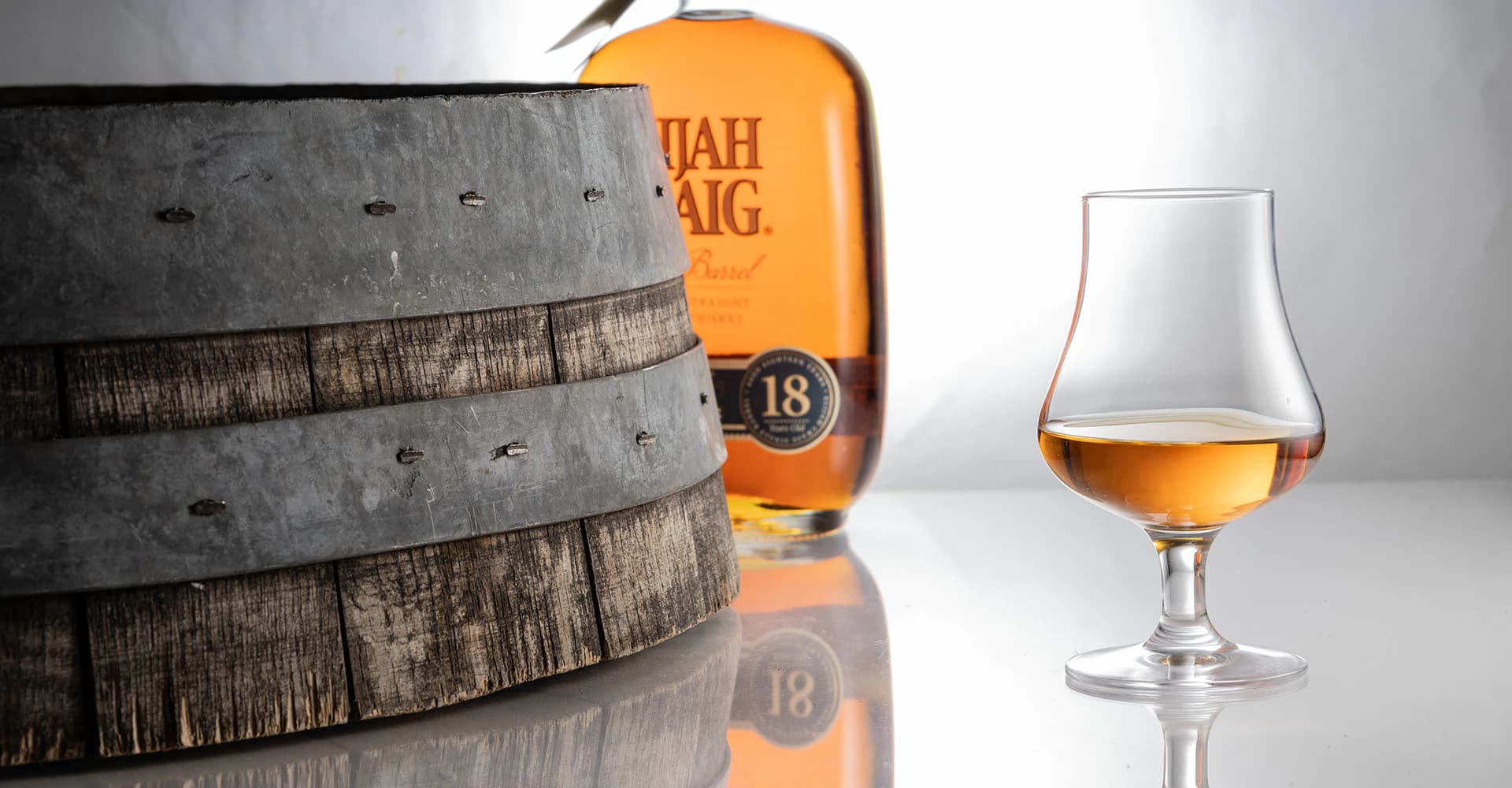
Older isn’t necessarily better—despite the interest in higher age statements—but there are specific, achievable ways to help set up longer-aged whiskeys for success.