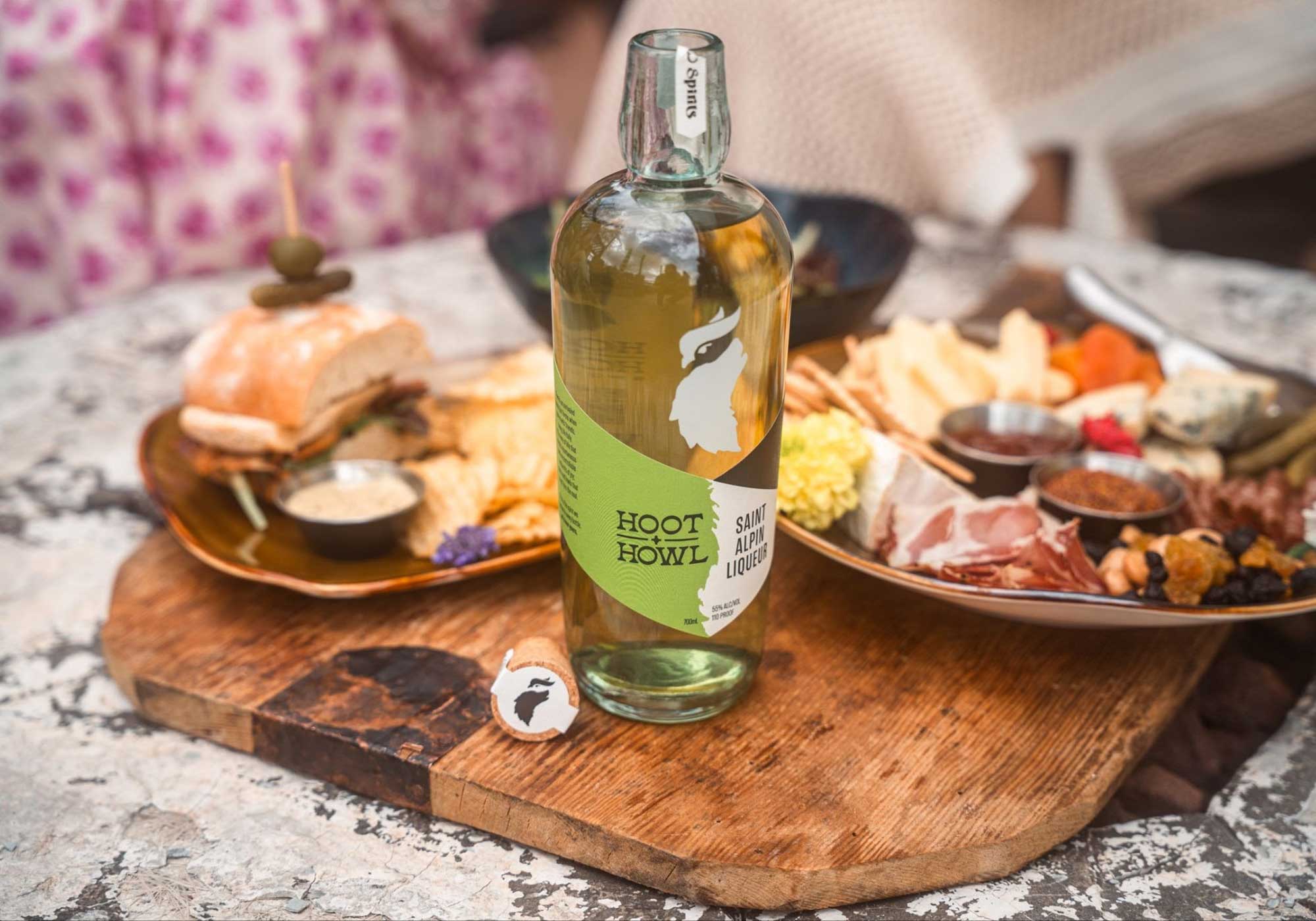
How Today’s Distillers Are Reimagining Herbal Liqueurs with Local Flavors
Subscriber
Traditional herbal liqueurs provide a foundation for small distilleries to tell stories and create flavors that communicate a sense of place.

90 articles in this category
Traditional herbal liqueurs provide a foundation for small distilleries to tell stories and create flavors that communicate a sense of place.
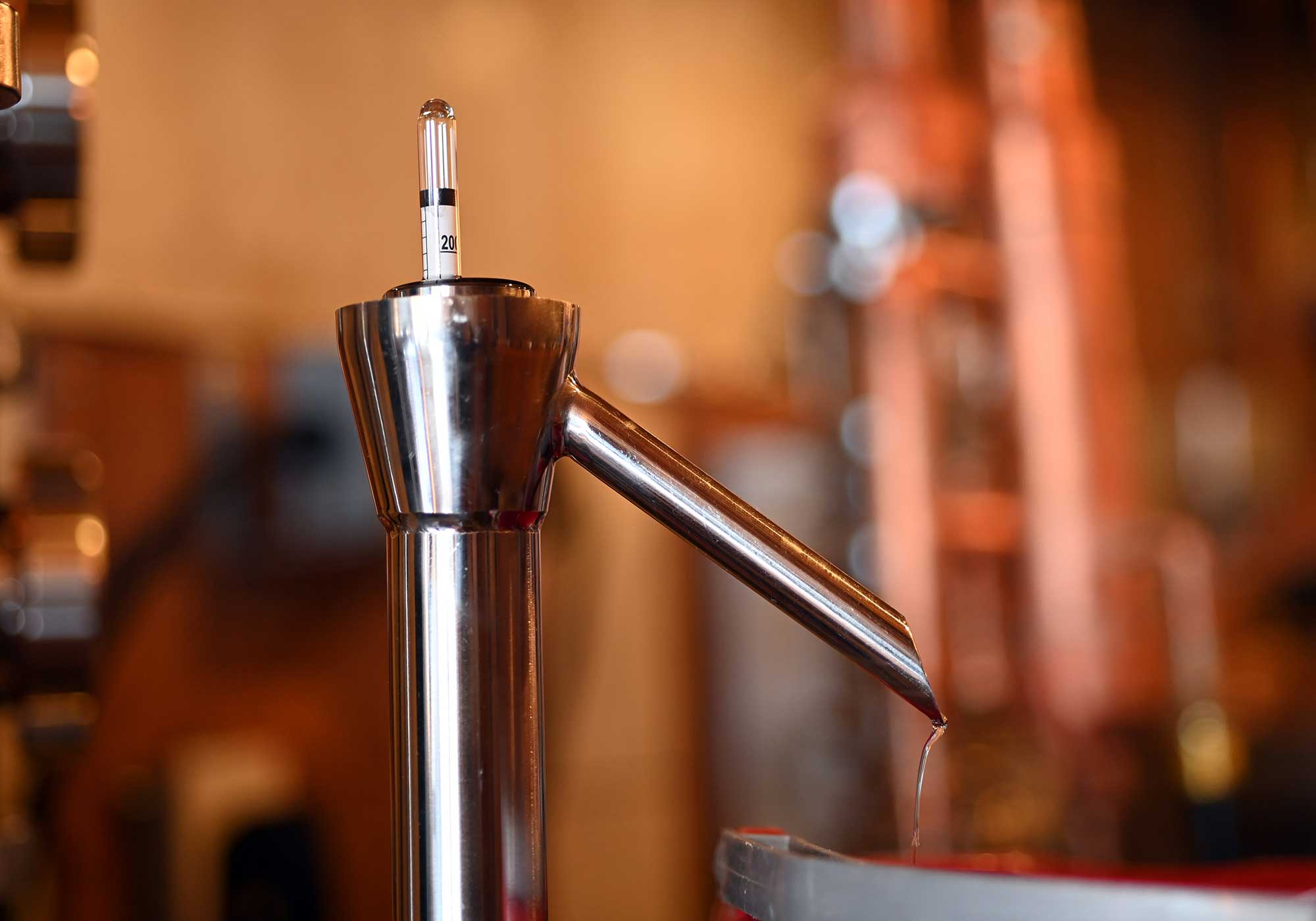
Knowing where methanol comes from and how it’s created can help distillers make a better product.
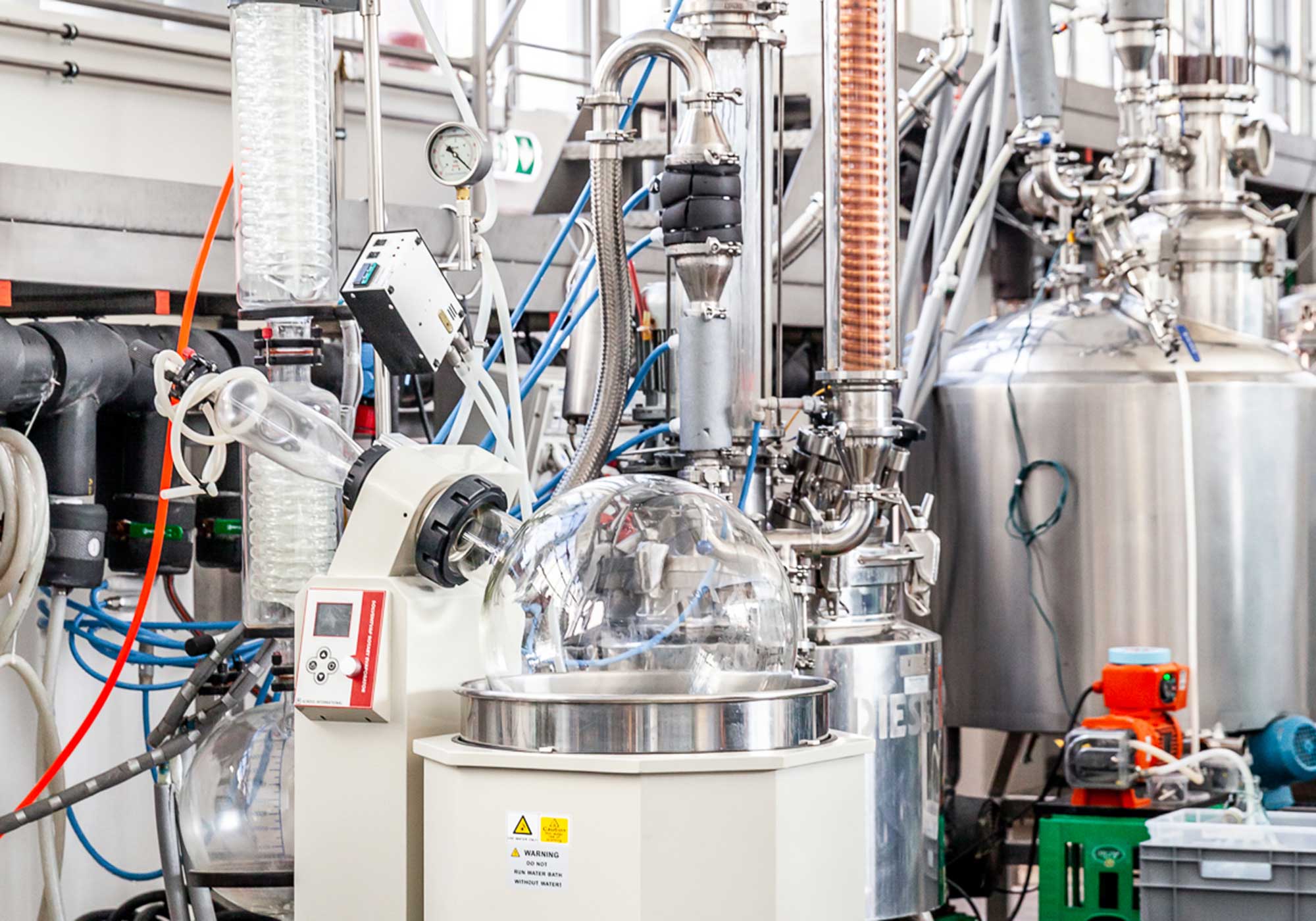
These flavors don’t exist only within a vacuum; they are created within it. While a little more high-tech, a vacuum still can open a range of options for bright, fresh, and unique botanical character.
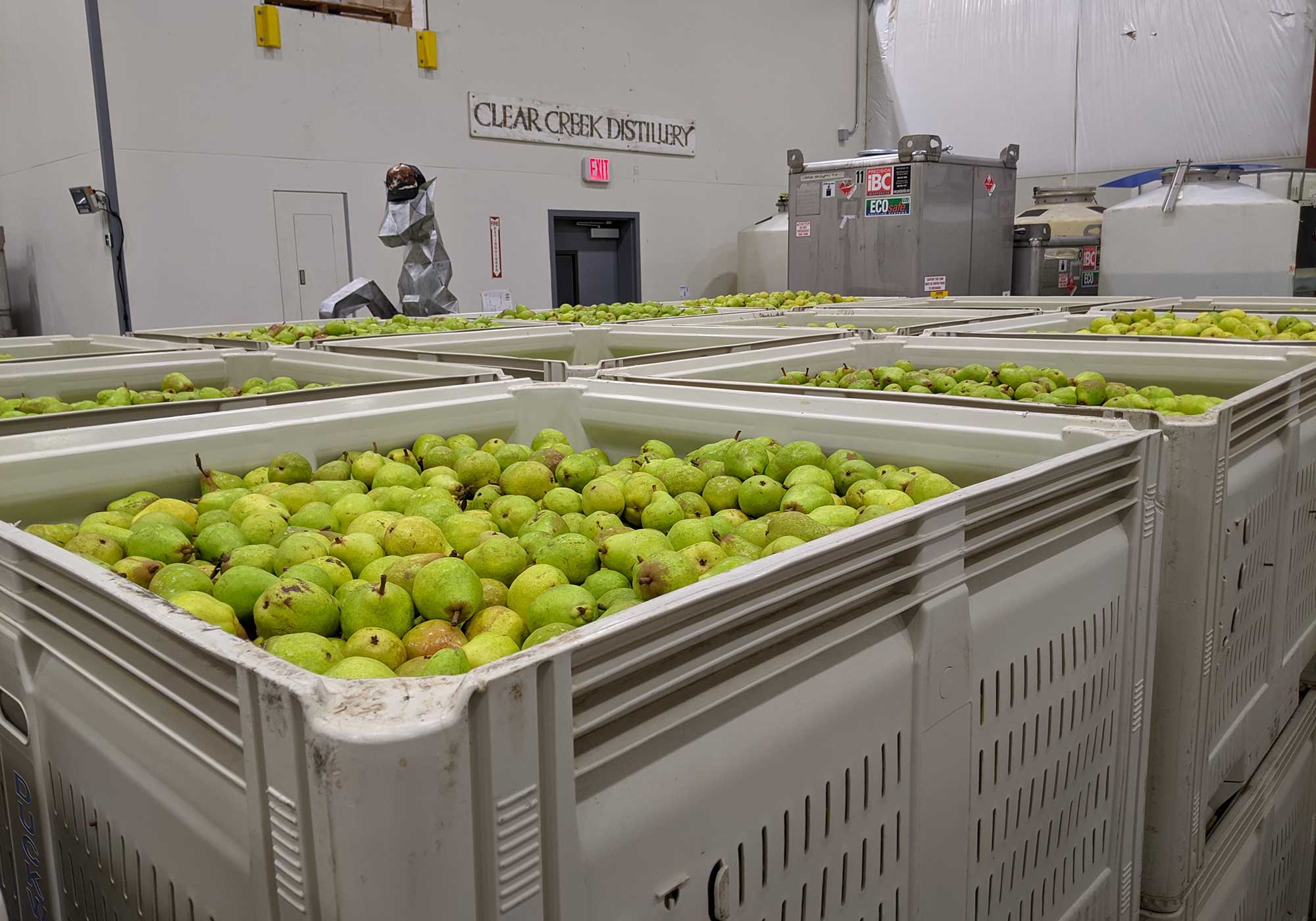
Understanding how to best handle fruit helps ensure that its flavor and quality translate from the field into the bottle.

In this clip from her video course, Heaven Hill lead distillery technician Sydney Jones discusses different methods and approaches to blending whiskey, whether it’s for an original product or to maintain a consistent one.
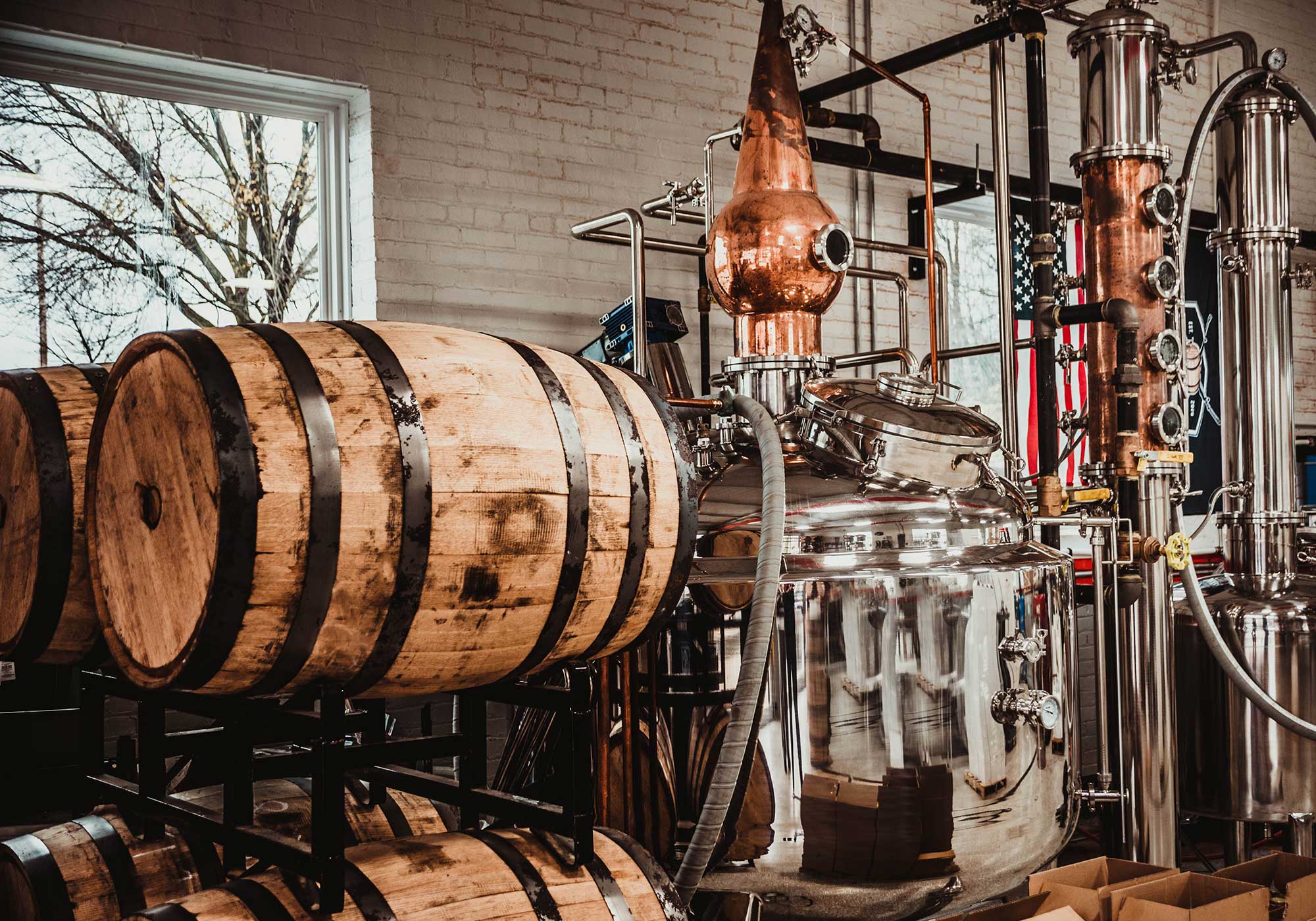
While an old American tradition can help home distillers understand the processes involved in distilling, there’s no approximating the bureaucracy and red tape of going pro. A recent court ruling may lead to a clearer pathway.

Using the barrel to get a more intense oak presence or caramel-forward flavor into your whiskey may not be as straightforward as you think. Sydney Jones, supervisor and lead distillery technician at Heaven Hill in Bardstown, Kentucky, lays out some recent findings on char and toast—plus, some tips on finishing whiskey in spirit casks.
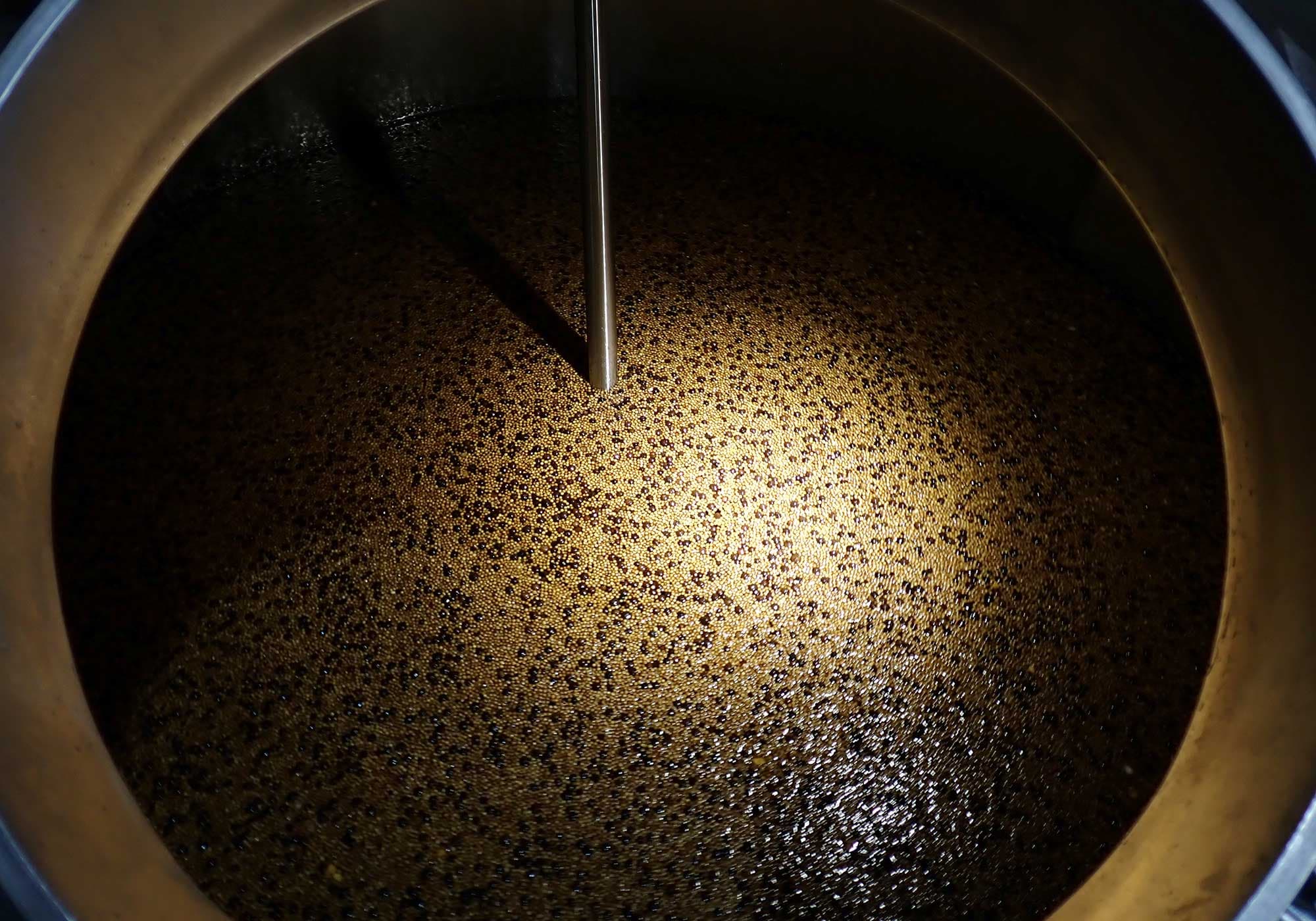
Gin production begins with a complex series of questions, and it only gets more interesting from there. It’s a choose-your-own-adventure path that can lead to countless variations.

There’s more to whiskey than grain alcohol and a barrel. Fermentation can do more than create ethanol—it also creates flavors that will be further developed by the still and the wood. Sydney Jones, supervisor and lead distillery technician at Heaven Hill in Bardstown, Kentucky, explains the process and the wider potential.

Sydney Jones, supervisor and lead distillery technician at Heaven Hill in Bardstown, Kentucky, isolates the components of whiskey-making, zooming in on all the many decision points that a distiller can use to affect whiskey’s flavor.
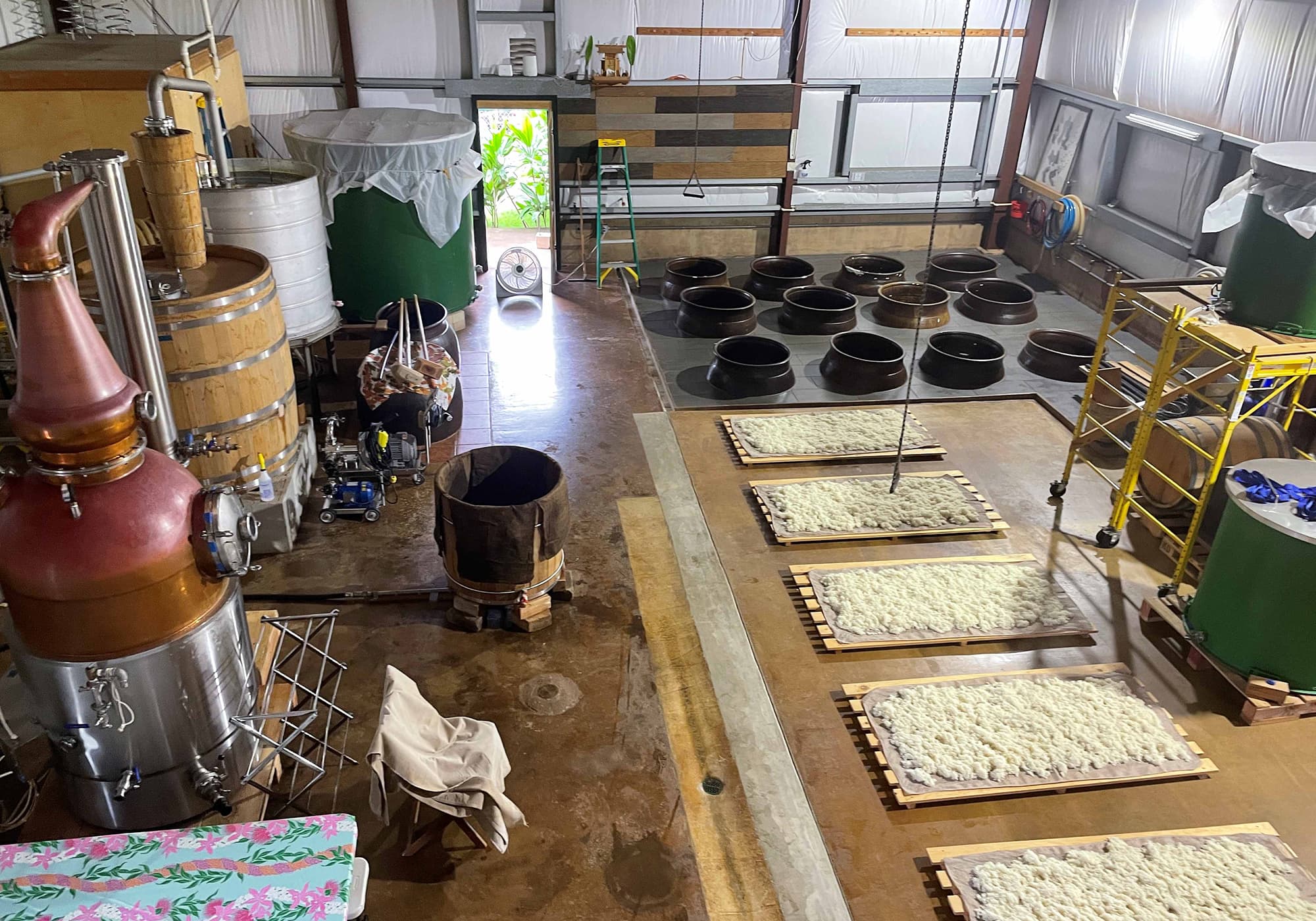
To create novel flavor profiles, Western distillers are increasingly embracing a mold that is traditional in many Asian food and drink fermentations —and they’ve only begun to tap into its potential.
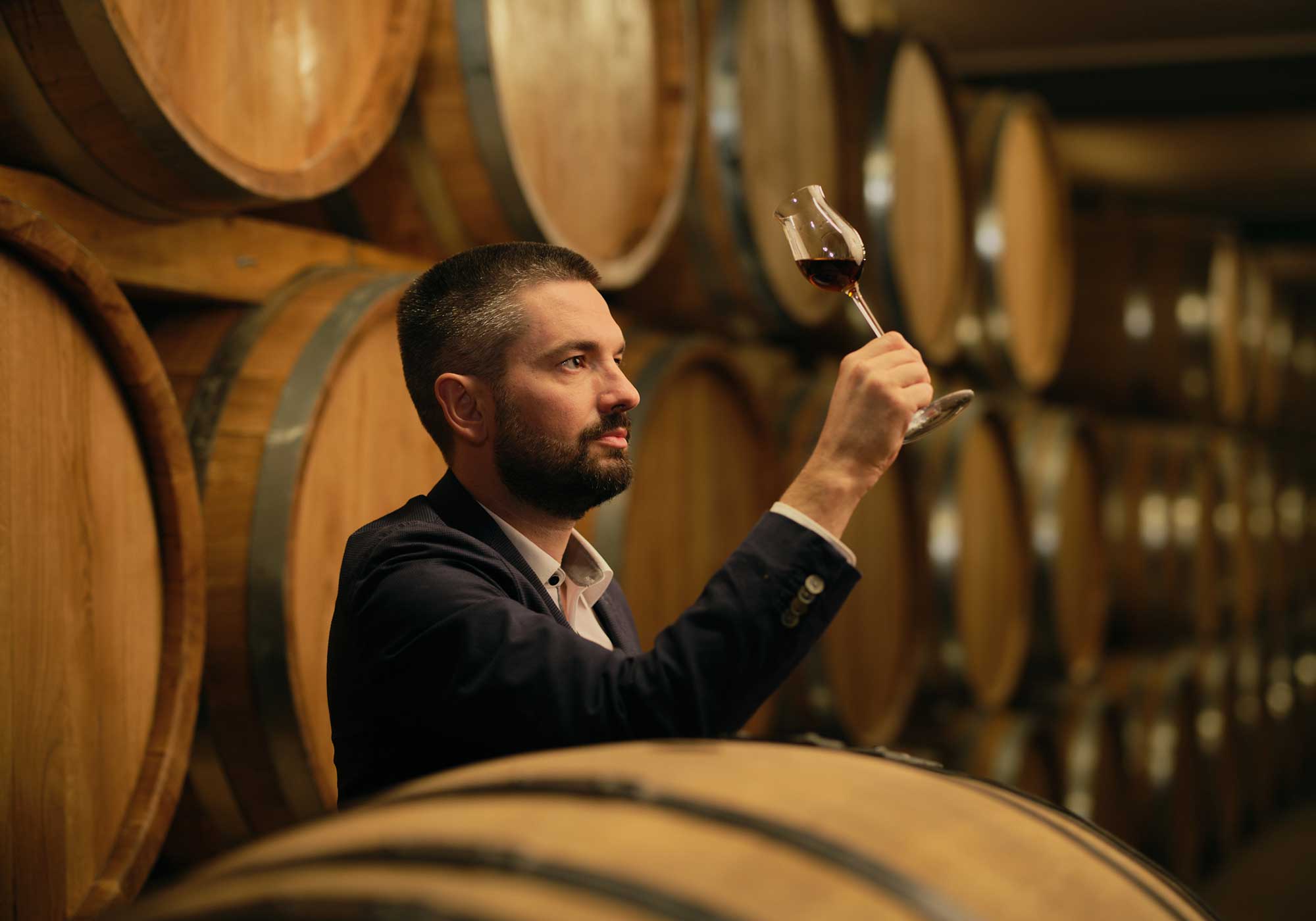
Traditionally distilled in the backyards of the Balkans, rakija is rising with help from a new generation focused on character and quality—and they hope to find a willing audience in the United States and beyond.
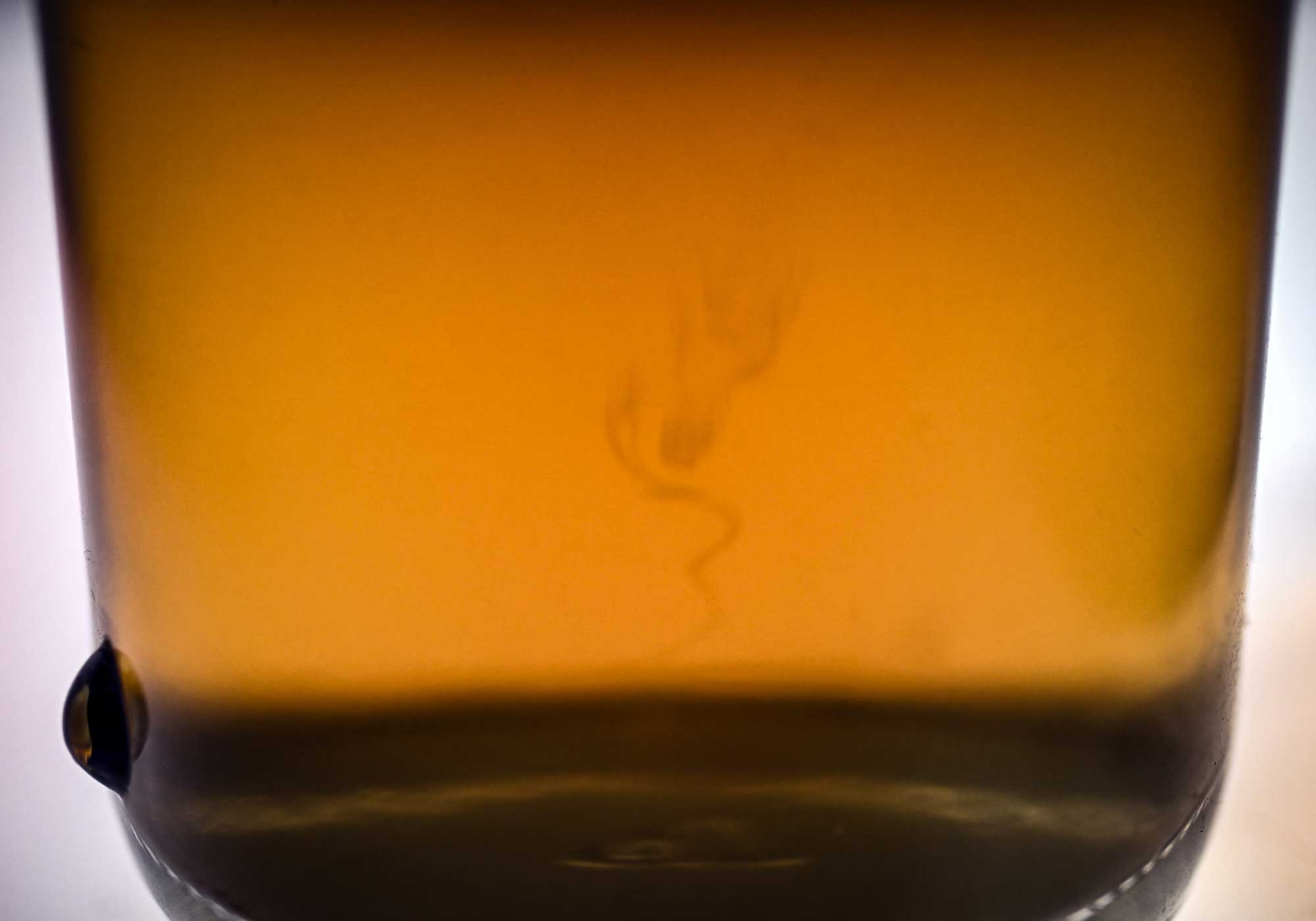
Though the technique has gained a bad rap, chill filtration has a lot to offer distillers.
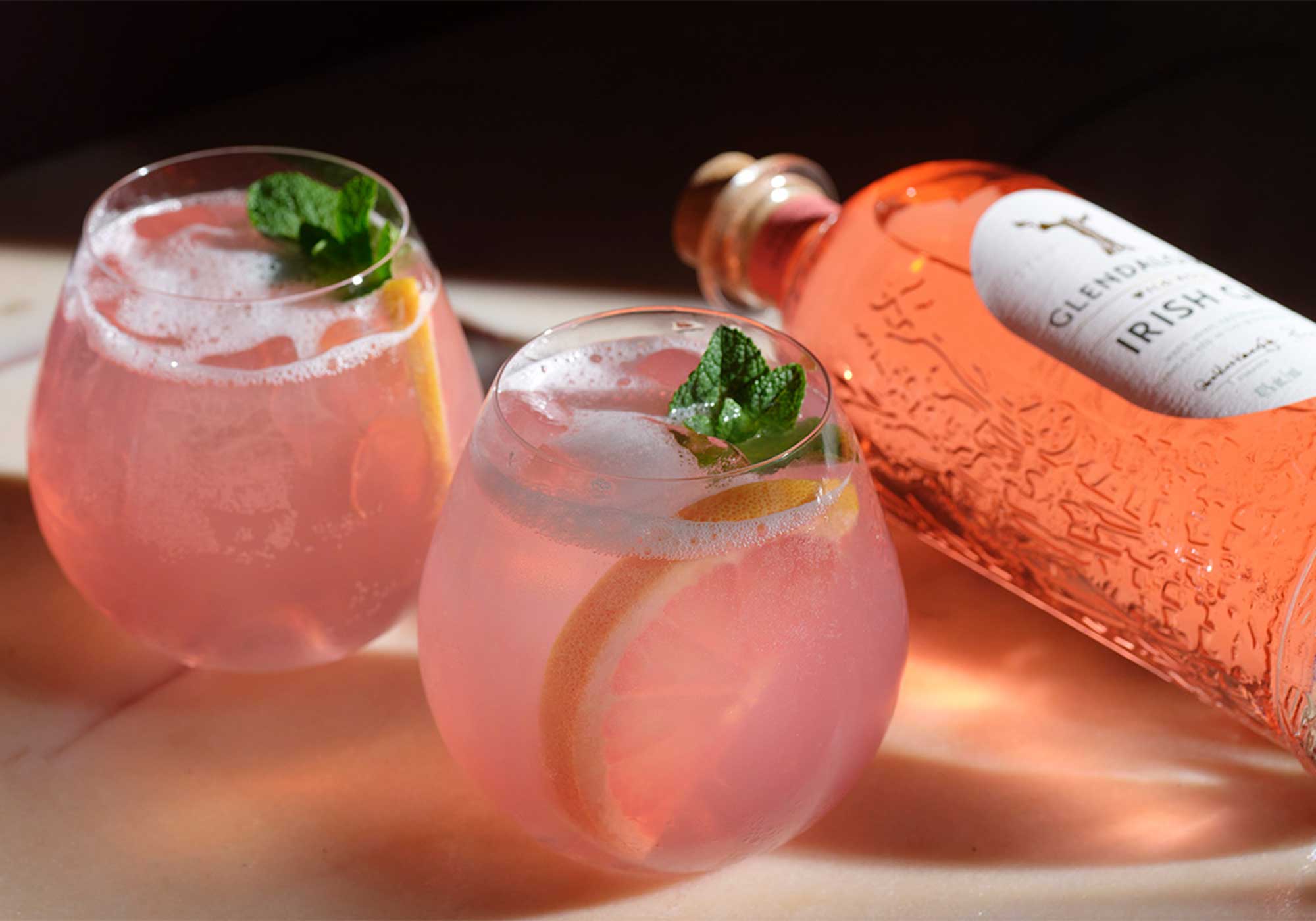
Colorful spirits are drawing more eyes than ever, but distillers don’t need to reach into the chemistry kit to achieve vibrant hues.
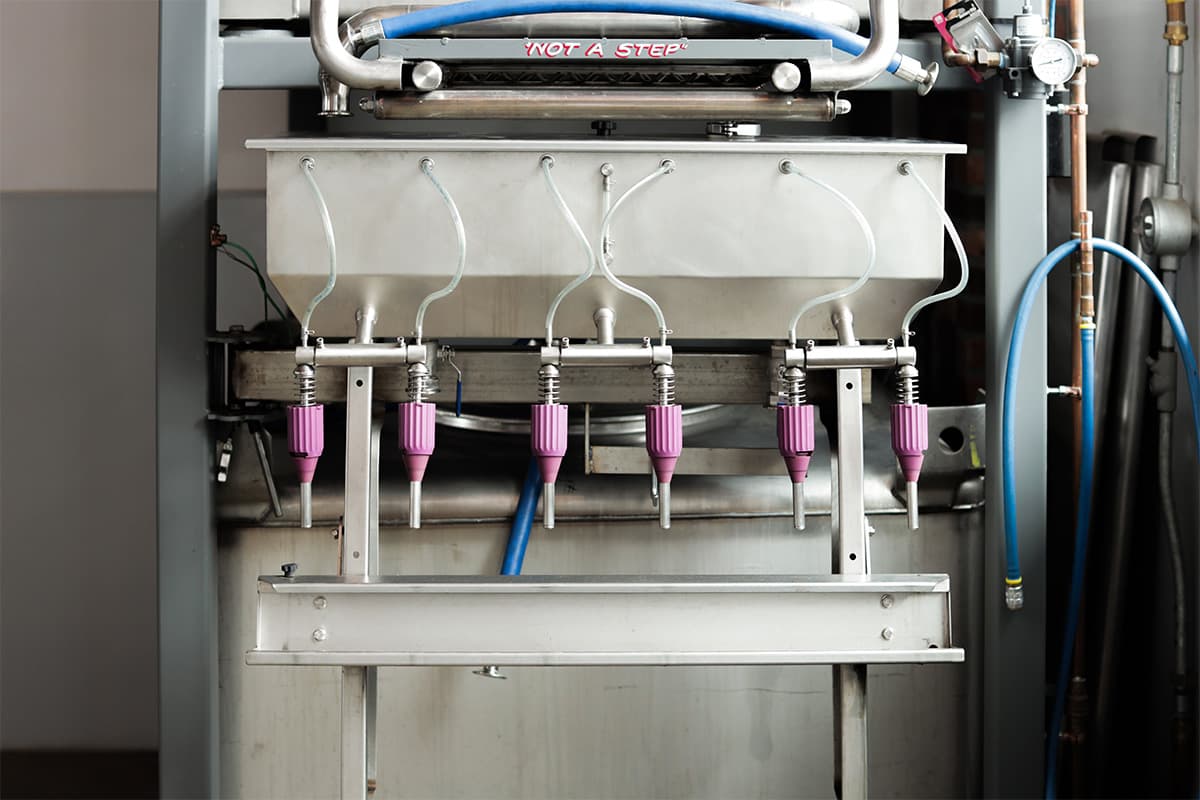
In this clip from their video course, Village Garage cofounder Glen Sauer explains the thinking behind the distillery’s multi-layered fire precautions and gravity-powered filling station.
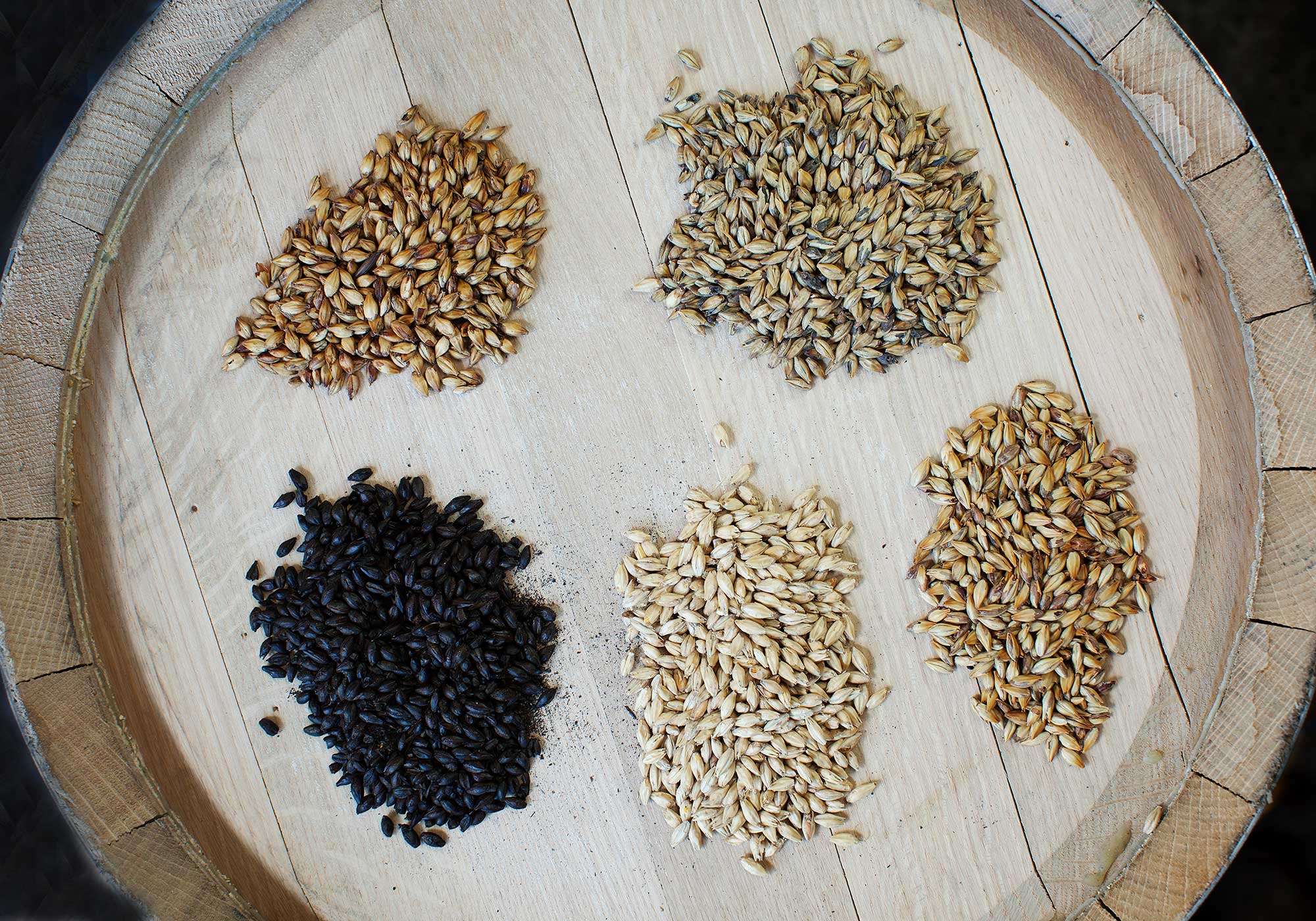
Distillers can tap into the same kinds of flavorful malts that brewers commonly use to build additional flavor and complexity into their whiskeys.
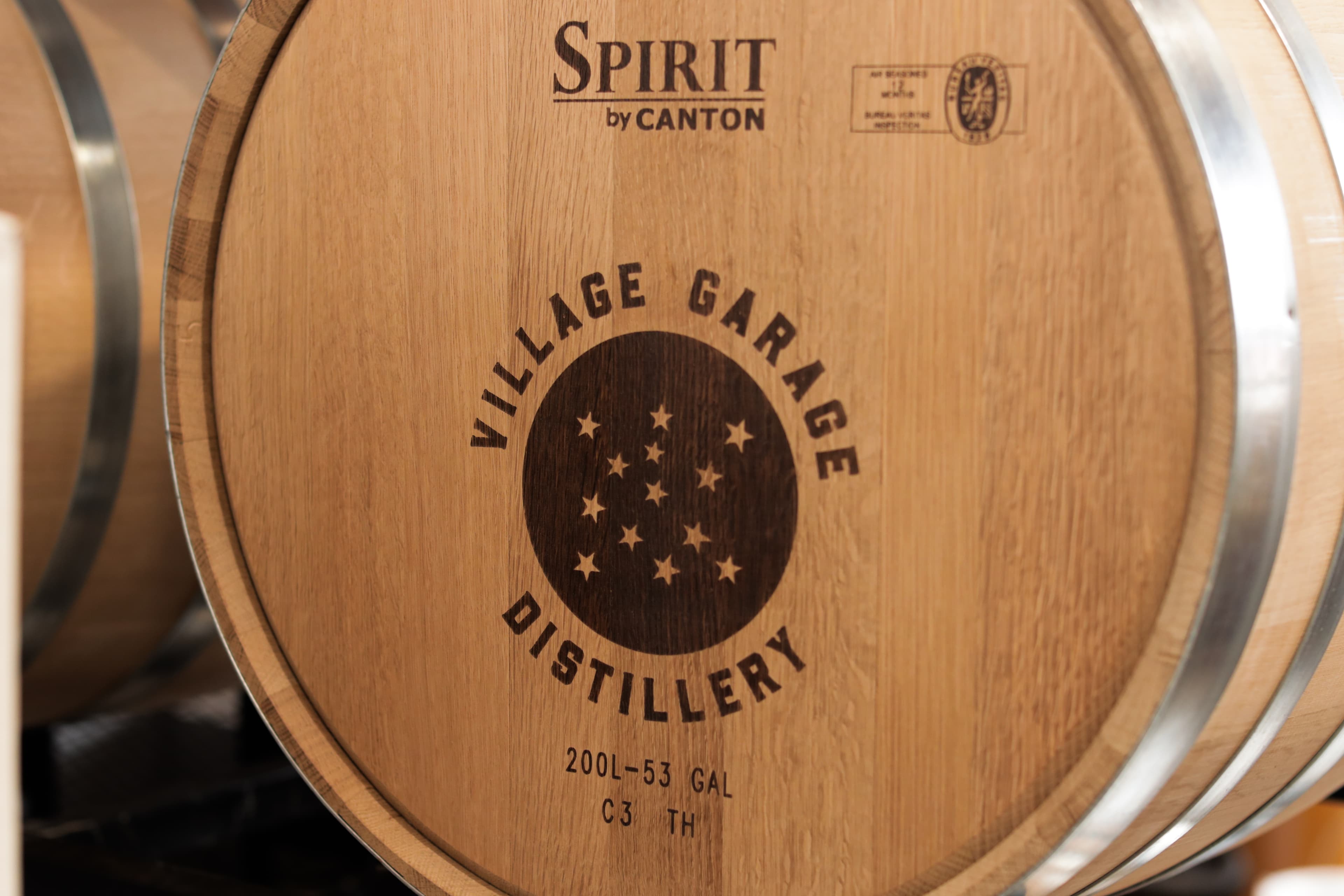
Using the roller mill as an example, Village Garage head distiller Ryan Scheswohl makes the case for the kind of preventive maintenance that can preserve efficiency while saving costs and trouble in the long run.
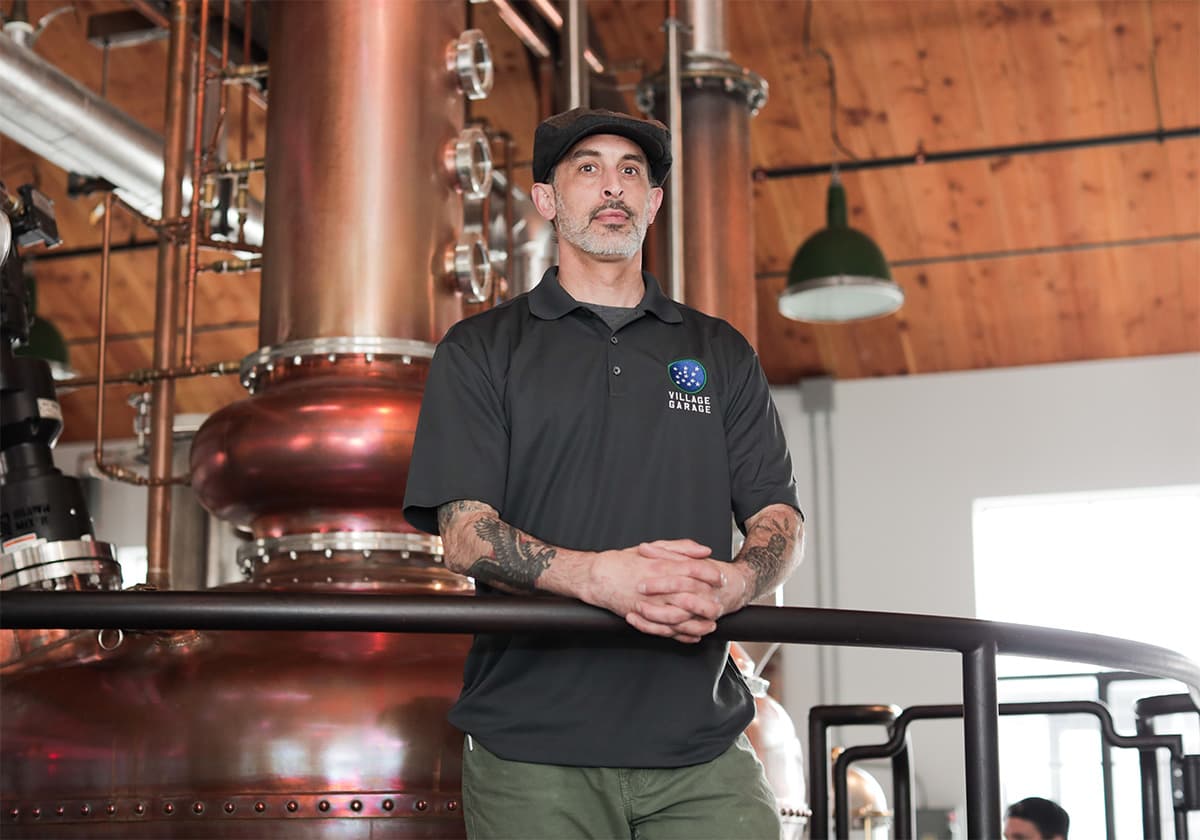
In this clip from their video course, head distiller Ryan Scheswohl describes Village Garage’s on-grain, open-top fermentation method, from how many days they allow for the ferment to their streamlined transfer into the still.
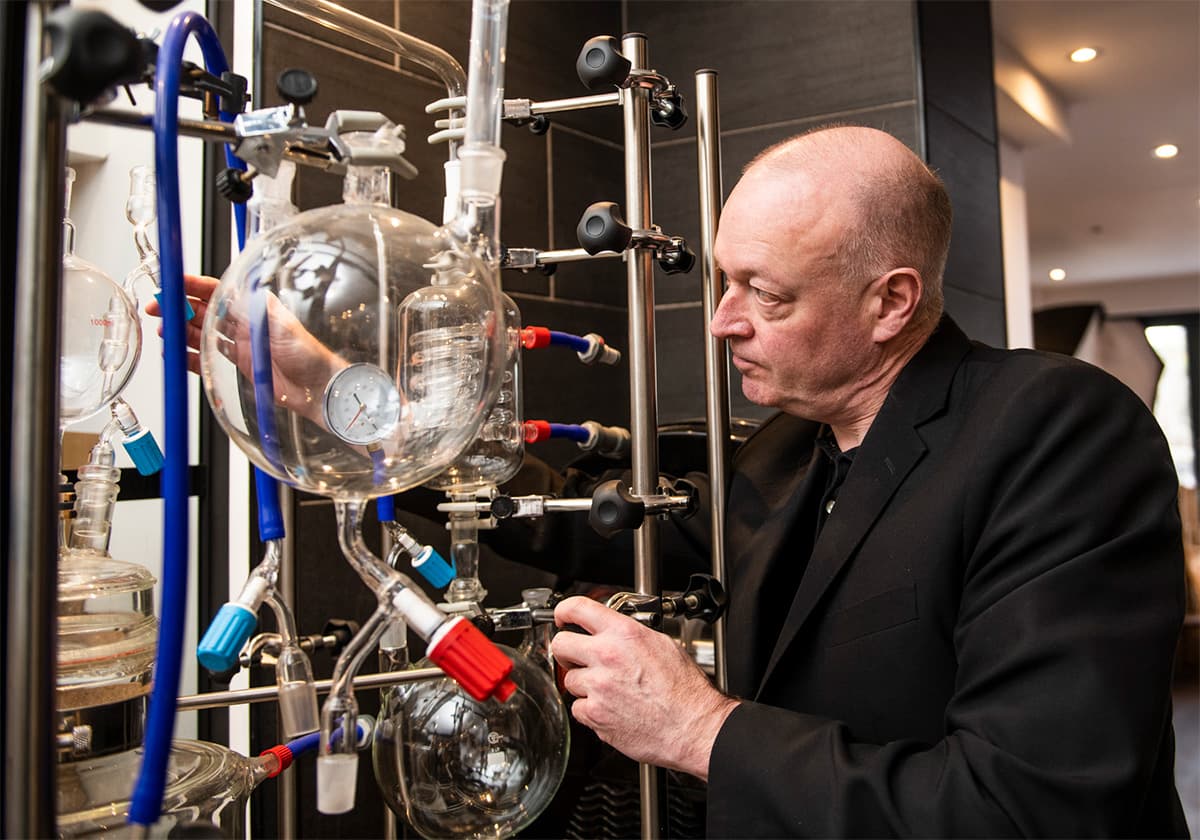
When small distilleries have success, it can be tricky to navigate through expansion while keeping costs in check. Here are some key factors to consider when you’re making a plan and running the numbers.
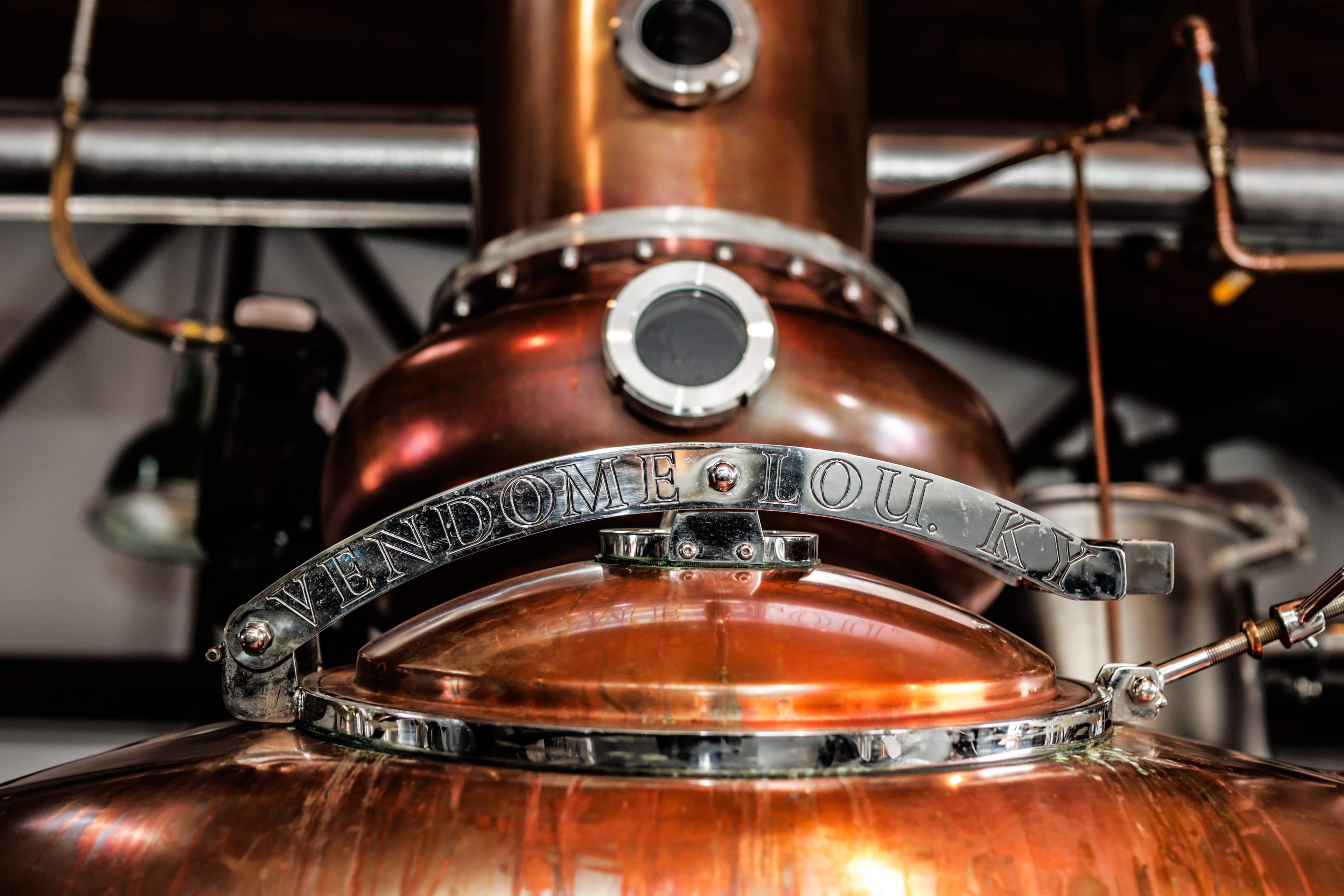
In this clip from their video course: Village Garage head distiller Ryan Scheswohl explains how steel-jacketed pipes and clean steam make for a quicker, more efficient brewing process.