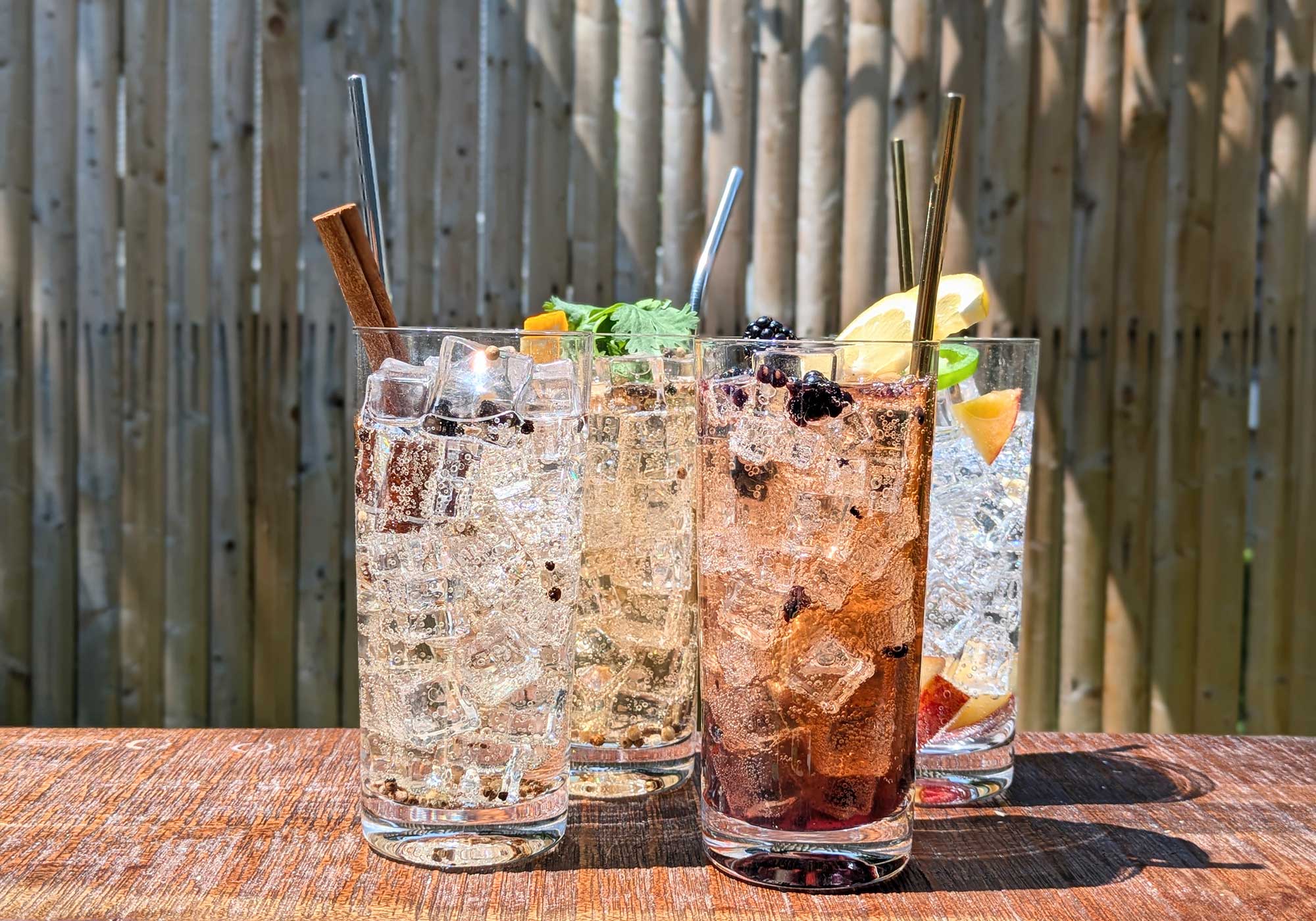
Why Tonic Is Timeless
Stop thinking of the gin and tonic as a carved-in-stone cocktail. Think of it as a template that can accommodate a diverse range of flavor profiles.

63 articles in this category
Stop thinking of the gin and tonic as a carved-in-stone cocktail. Think of it as a template that can accommodate a diverse range of flavor profiles.
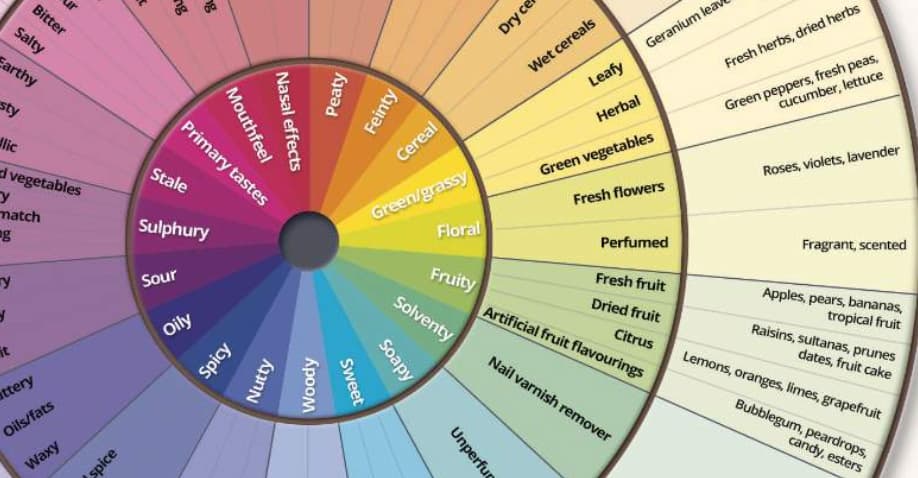
Understanding a spirit’s flavor matrix can help distillers fine-tune their product by adding, subtracting, or enhancing what’s already there.
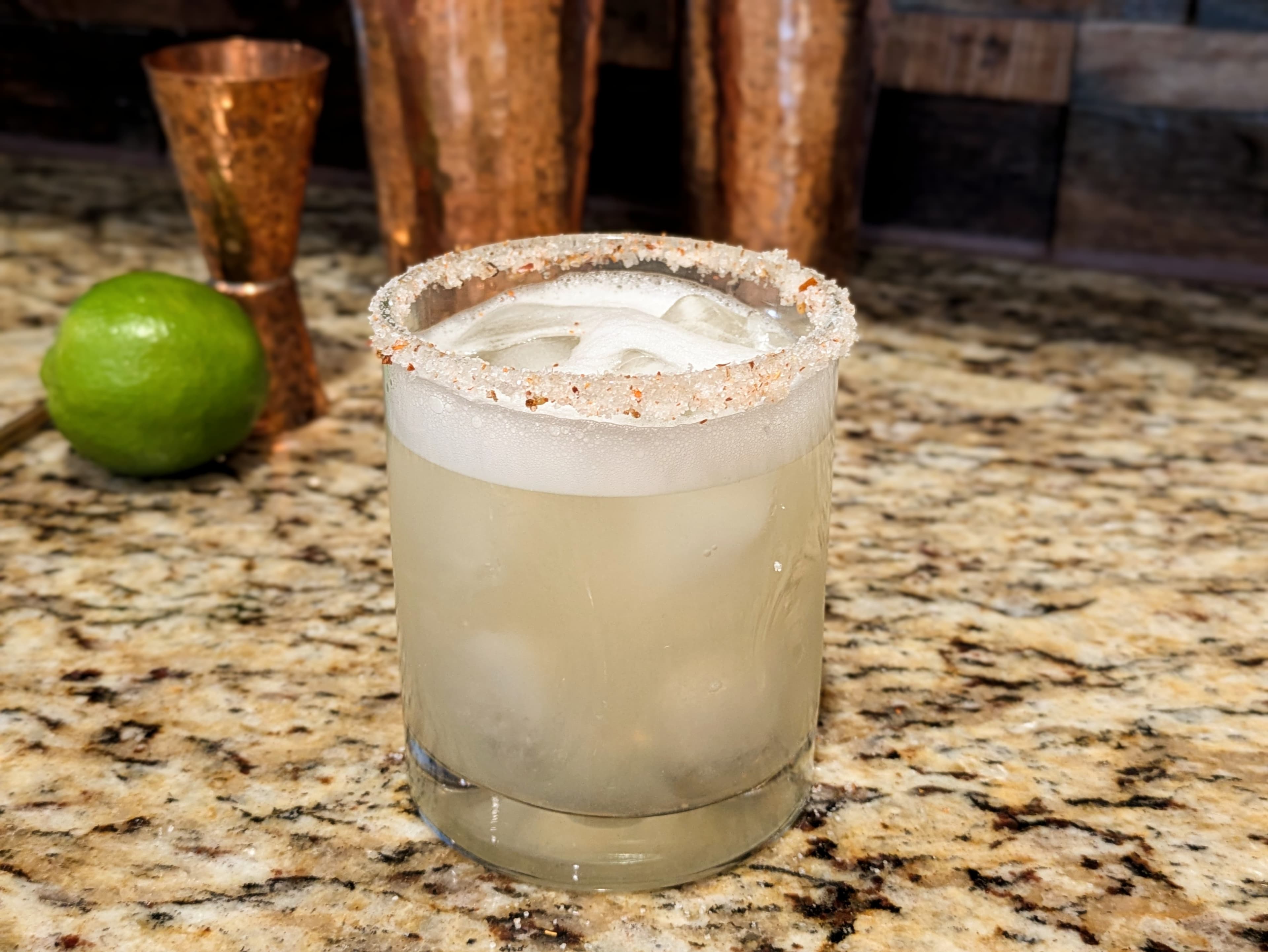
The sour cocktail is a time-honored approach that offers a universe of variations to explore.

Much of whiskey’s flavor comes from maturation on oak. Sydney Jones, supervisor and lead distillery technician at Heaven Hill in Bardstown, Kentucky, explains why—and how both climate and entry proof can dramatically affect that impact.
There’s more to whiskey than grain alcohol and a barrel. Fermentation can do more than create ethanol—it also creates flavors that will be further developed by the still and the wood. Sydney Jones, supervisor and lead distillery technician at Heaven Hill in Bardstown, Kentucky, explains the process and the wider potential.

Sydney Jones, supervisor and lead distillery technician at Heaven Hill in Bardstown, Kentucky, isolates the components of whiskey-making, zooming in on all the many decision points that a distiller can use to affect whiskey’s flavor.
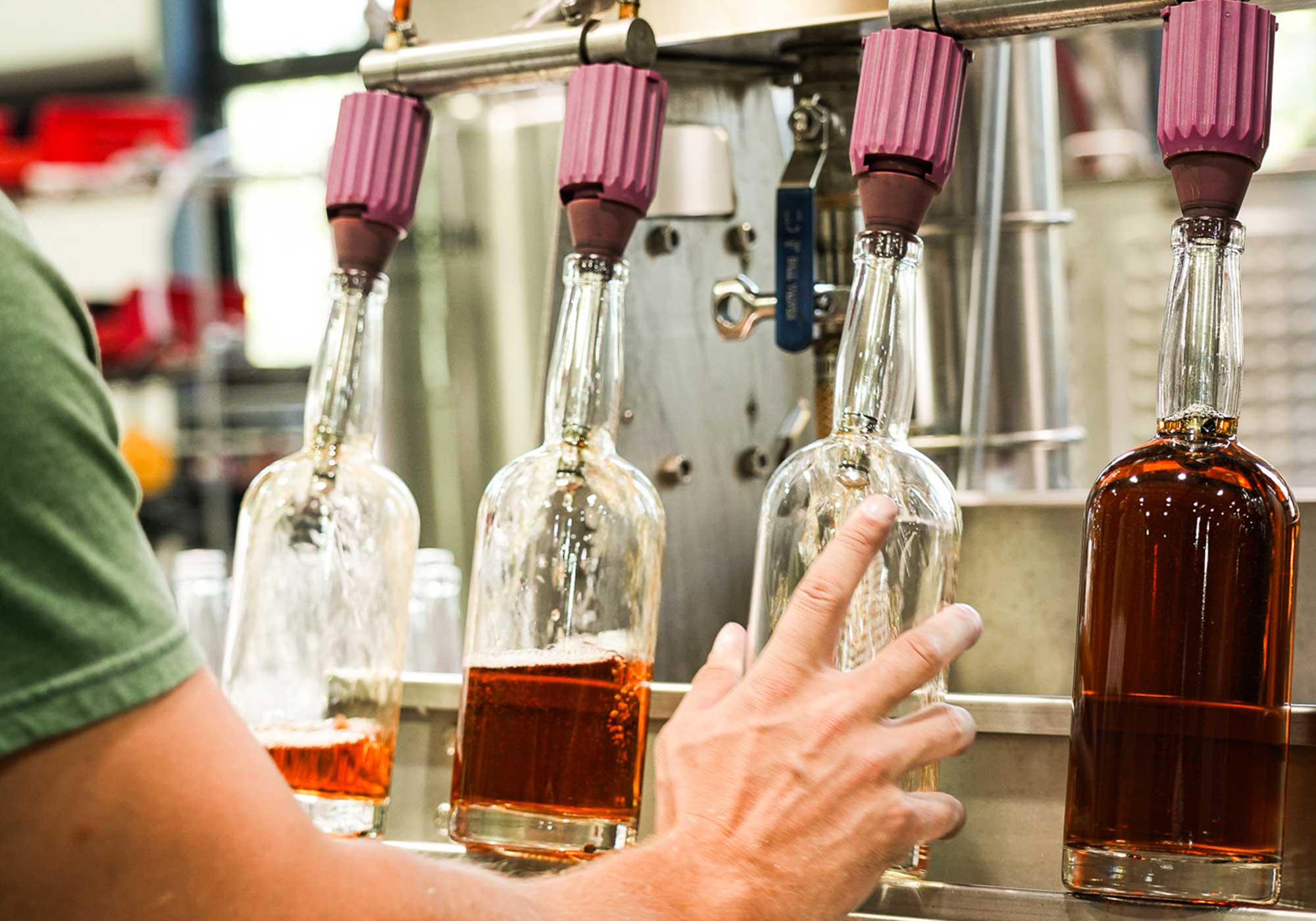
Higher-proof spirits can unlock new levels of flavor potential—but how do you get there with balance while avoiding the pitfalls?
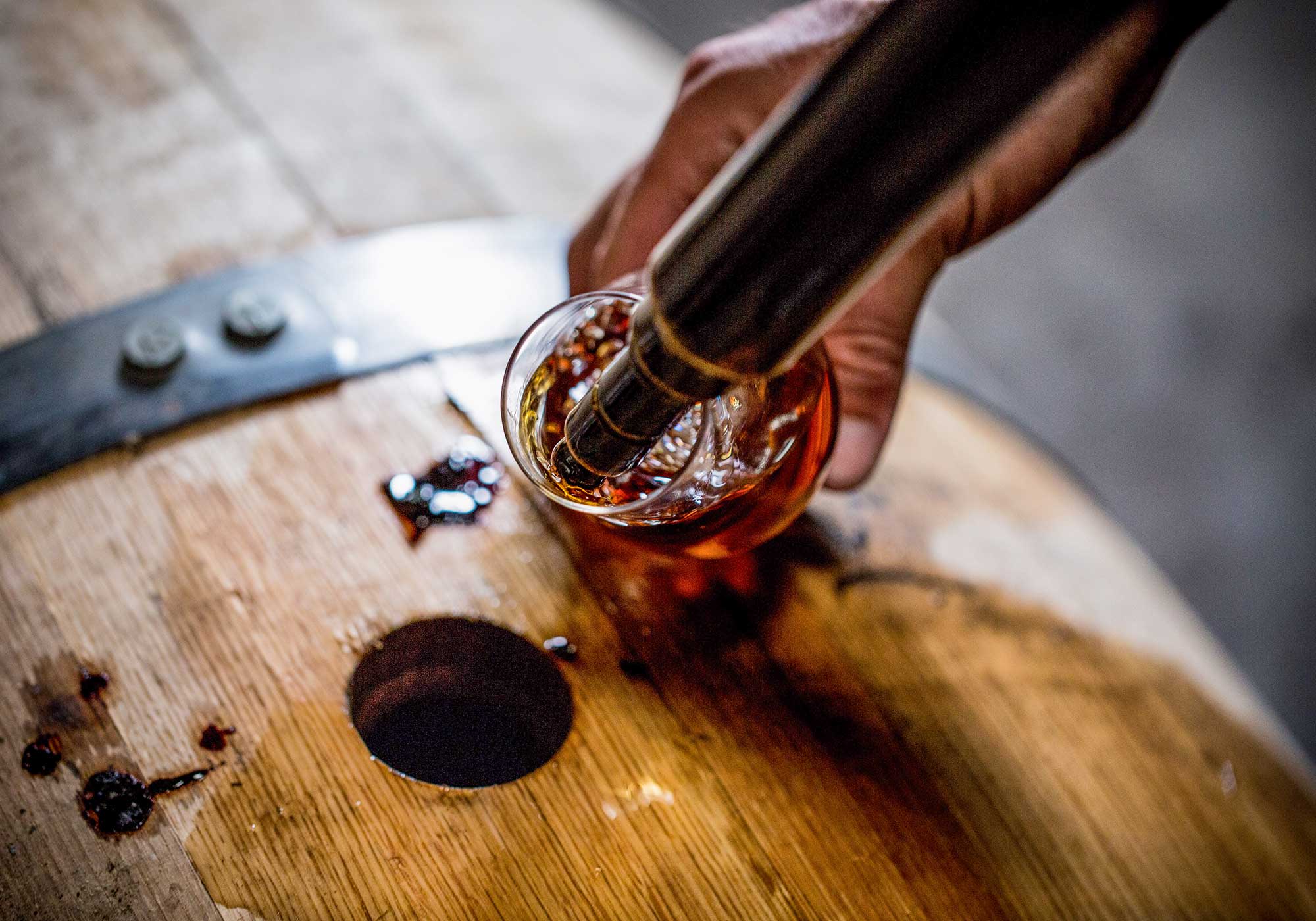
Bringing in a blender, even on a contract or part-time basis, can help a small distillery elevate its whiskey and create a more consistent program.
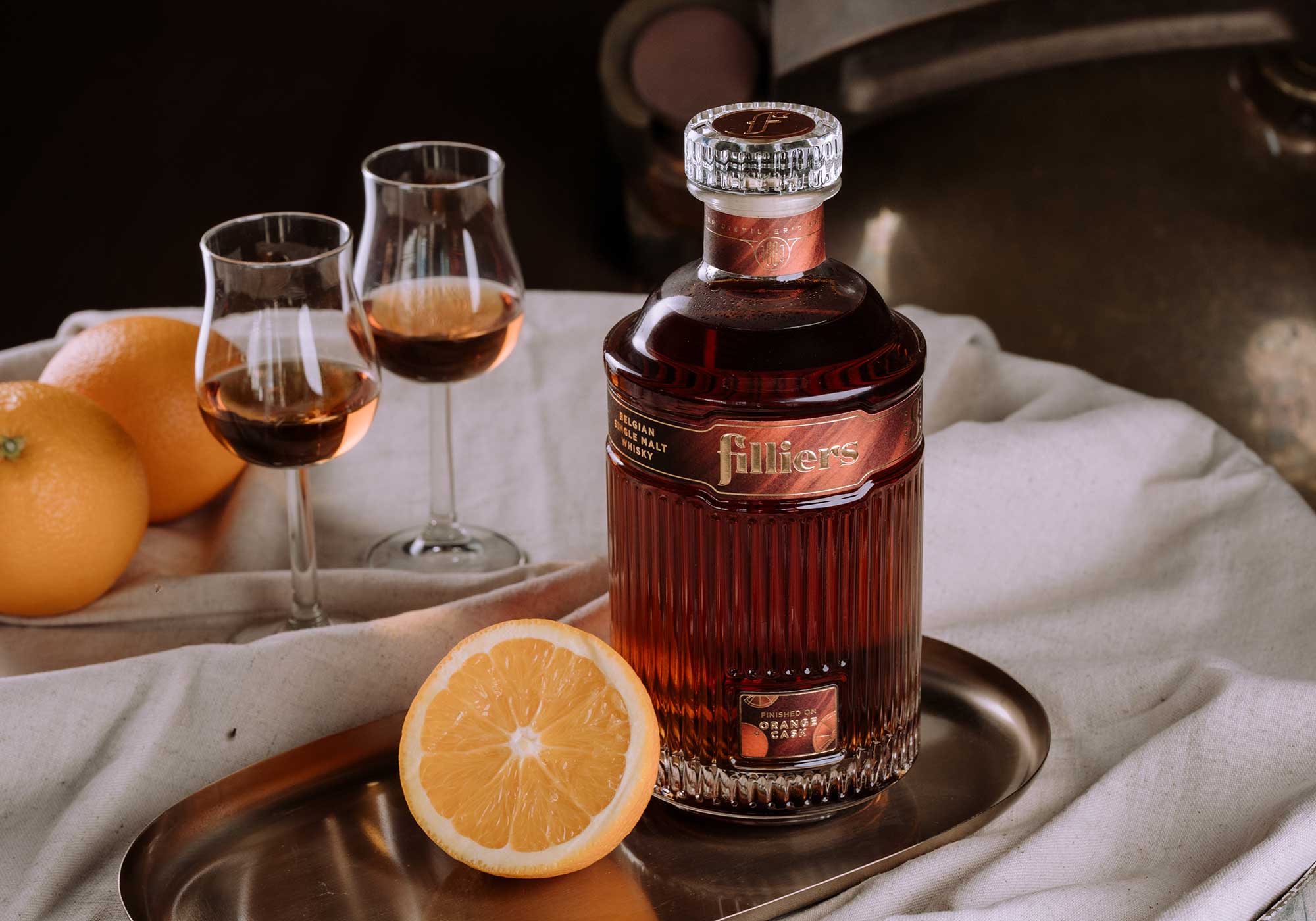
The enormous variety in liqueurs from various countries and traditions offers distillers an opportunity to create one-of-a-kind cask-finished whiskeys.
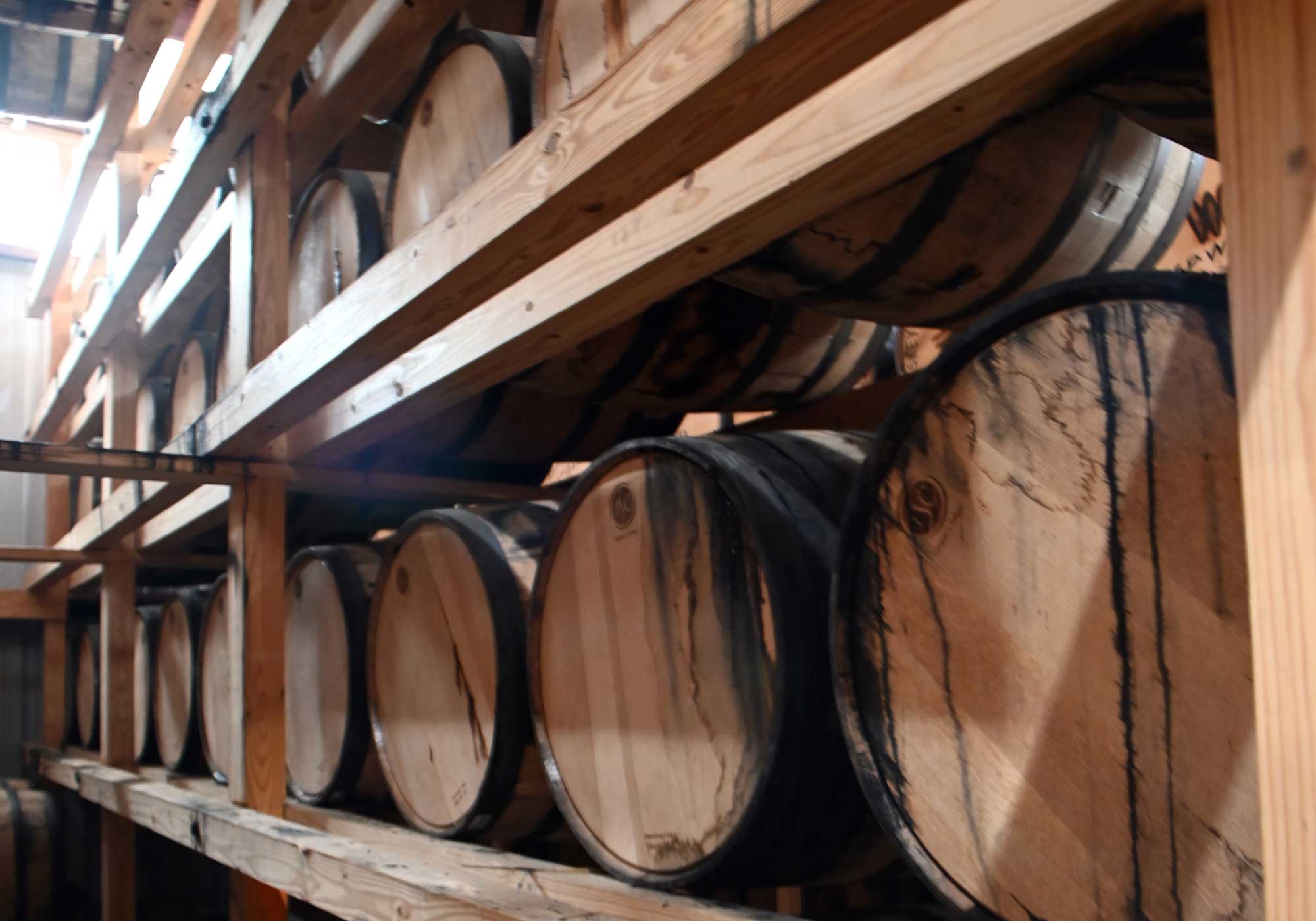
Changes in barrel sizes, warehousing, and entry proof have all altered the character of the whiskeys we make and enjoy today. Those old practices also may be sources of inspiration for craft distillers who want to make distinctive products.
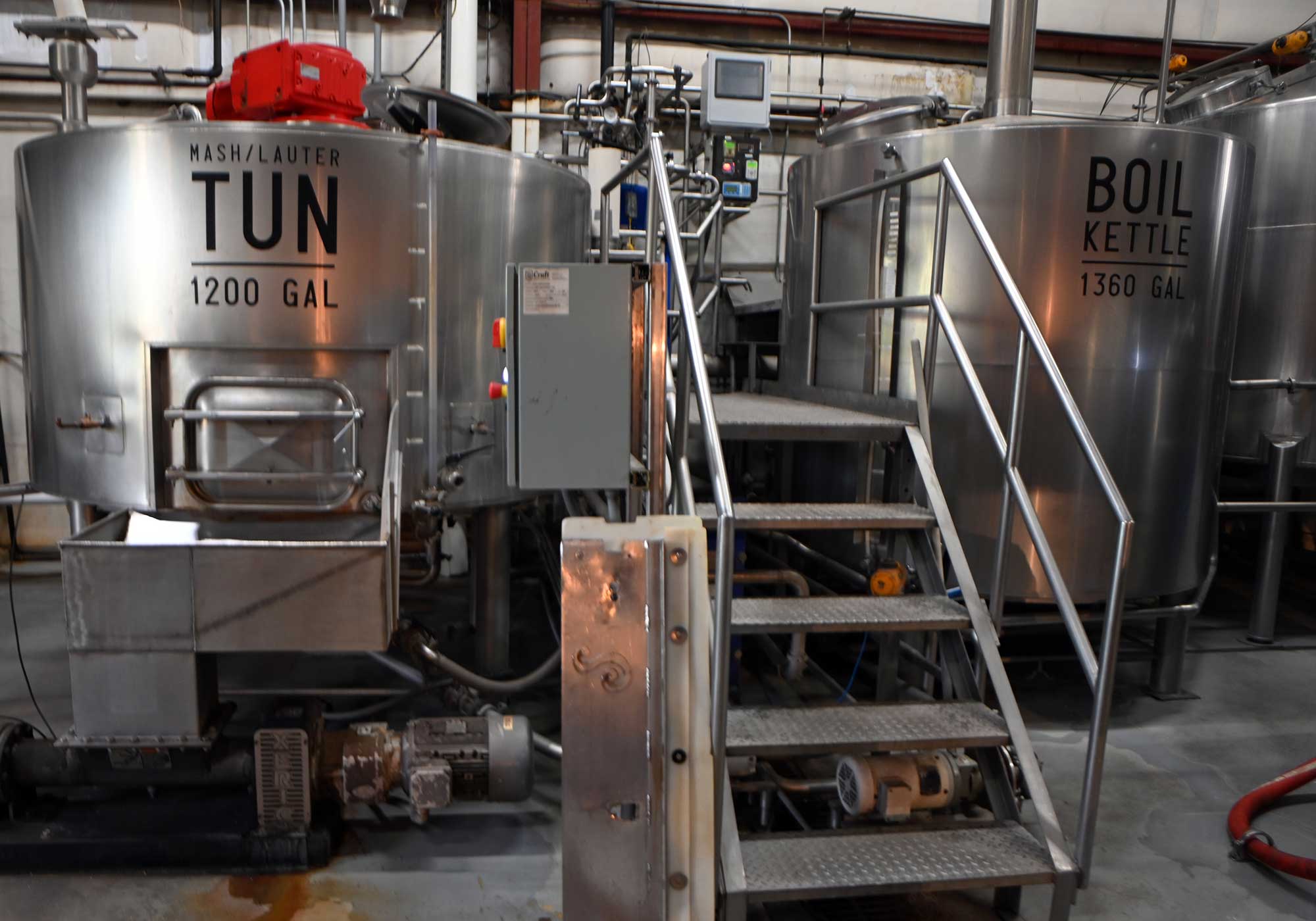
Much like the debate over on-grain or off-grain fermentation, the distiller’s choice on whether to boil their American single-malt wort has a range of consequences for flavor and efficiency.
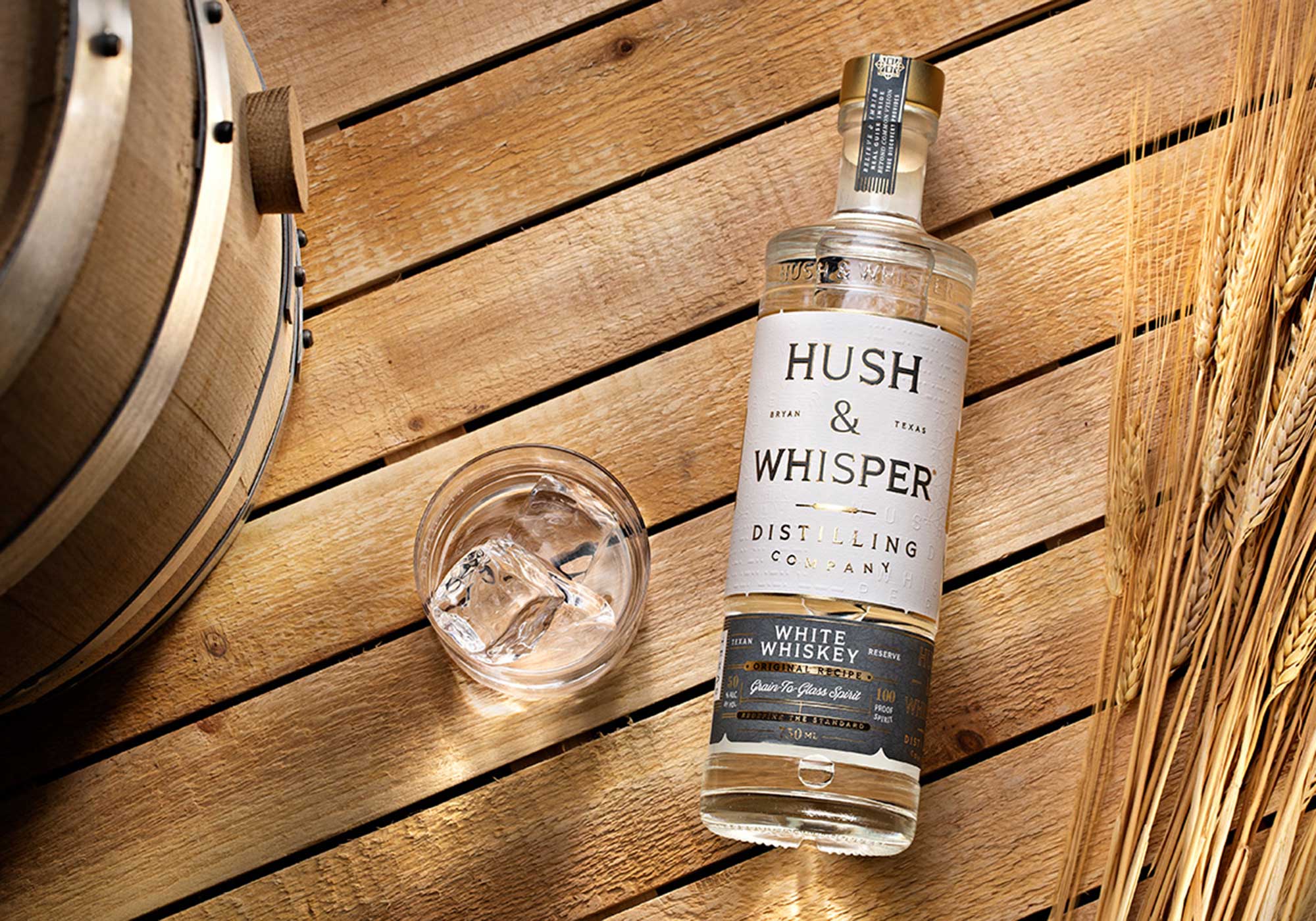
Craft distillers are elevating unaged whiskey as a pure, transparent expression of the distiller’s craft and the farmer’s grain.
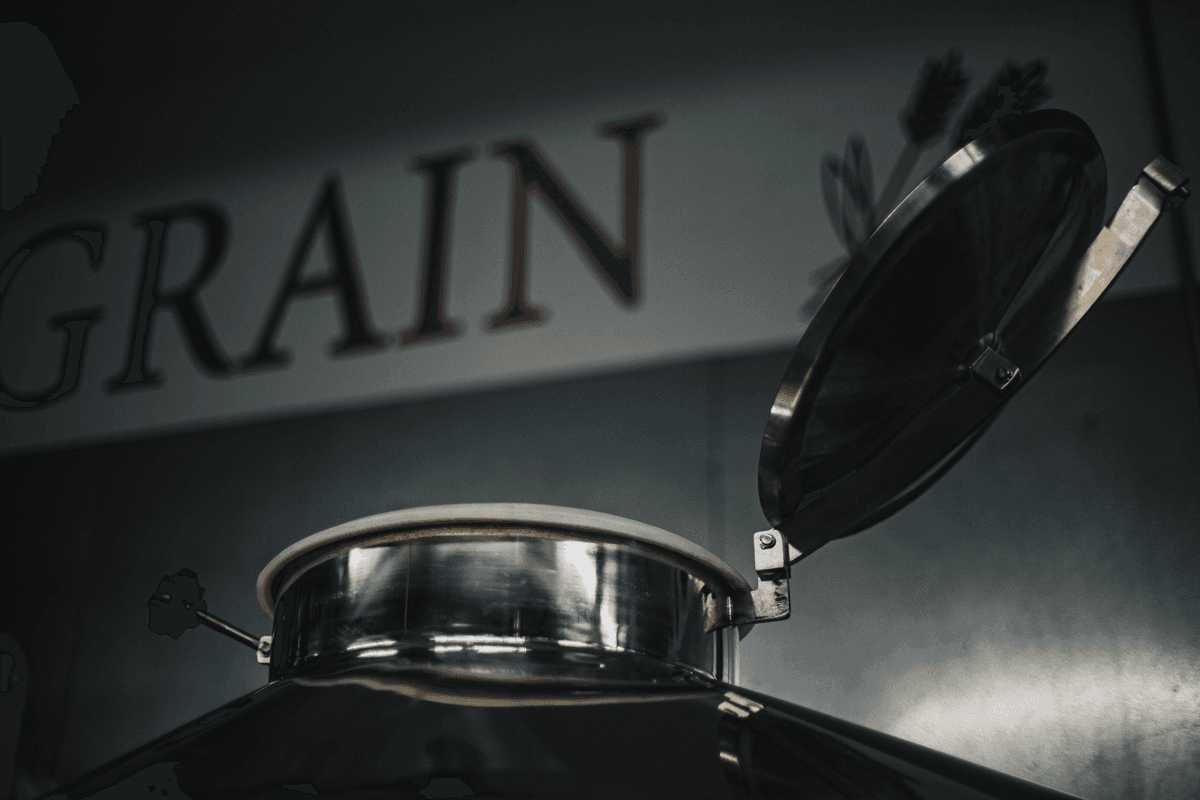
There’s an important fork in the road to creating an American single-malt whiskey: Will you produce it on-grain or off-grain? That single decision has a major impact on the whiskey’s character, the equipment you’ll need, and the shape of your waste streams.
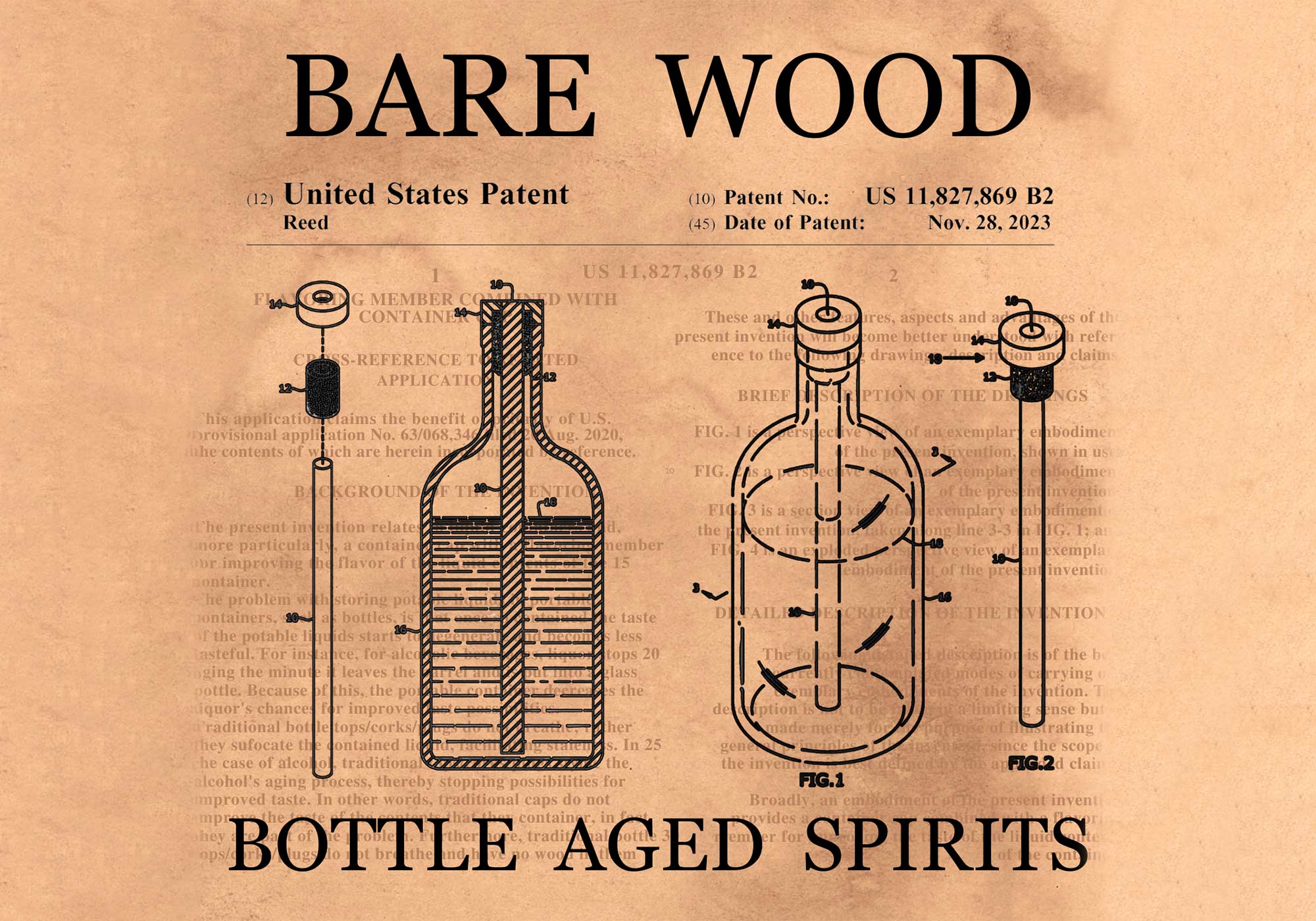
That submerged chunk of wood is a message in the bottle: To customers, it might communicate wider variety, better sustainability, or a new way for them to engage in the aging process at home.
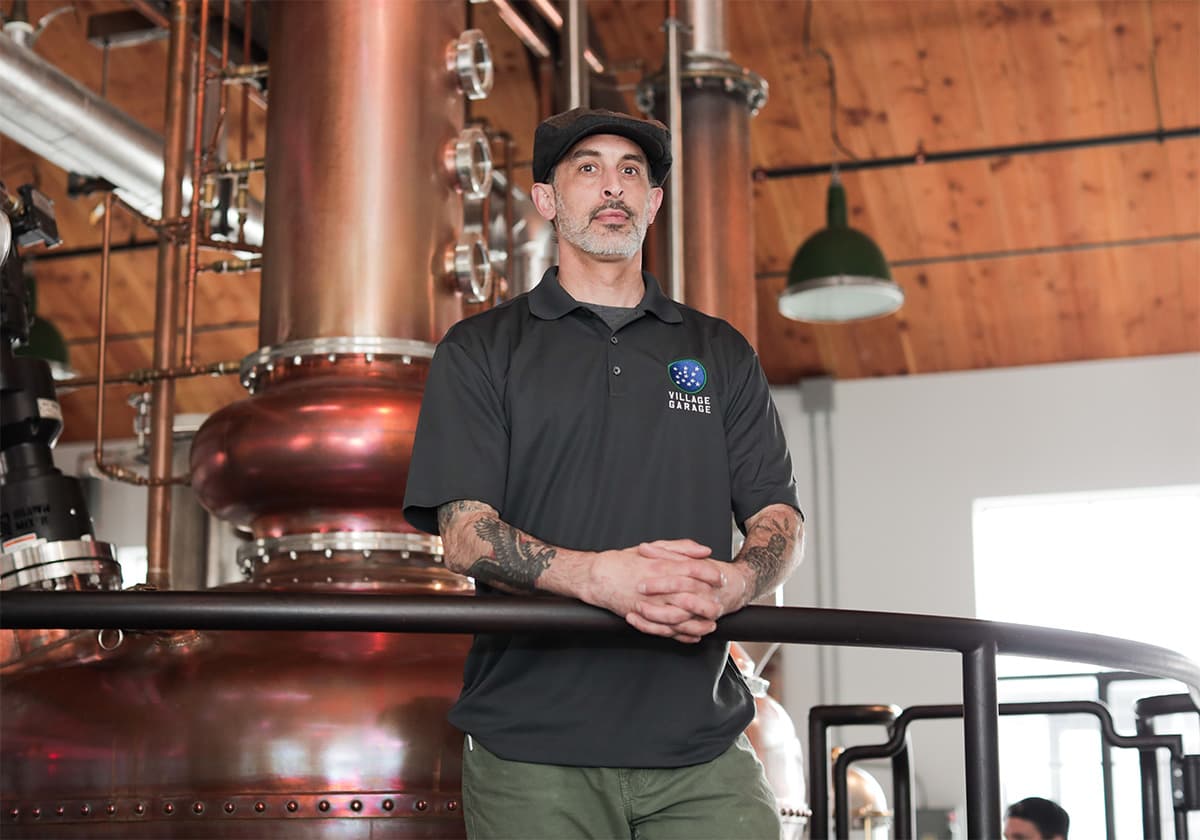
In this clip from their video course, head distiller Ryan Scheswohl describes Village Garage’s on-grain, open-top fermentation method, from how many days they allow for the ferment to their streamlined transfer into the still.
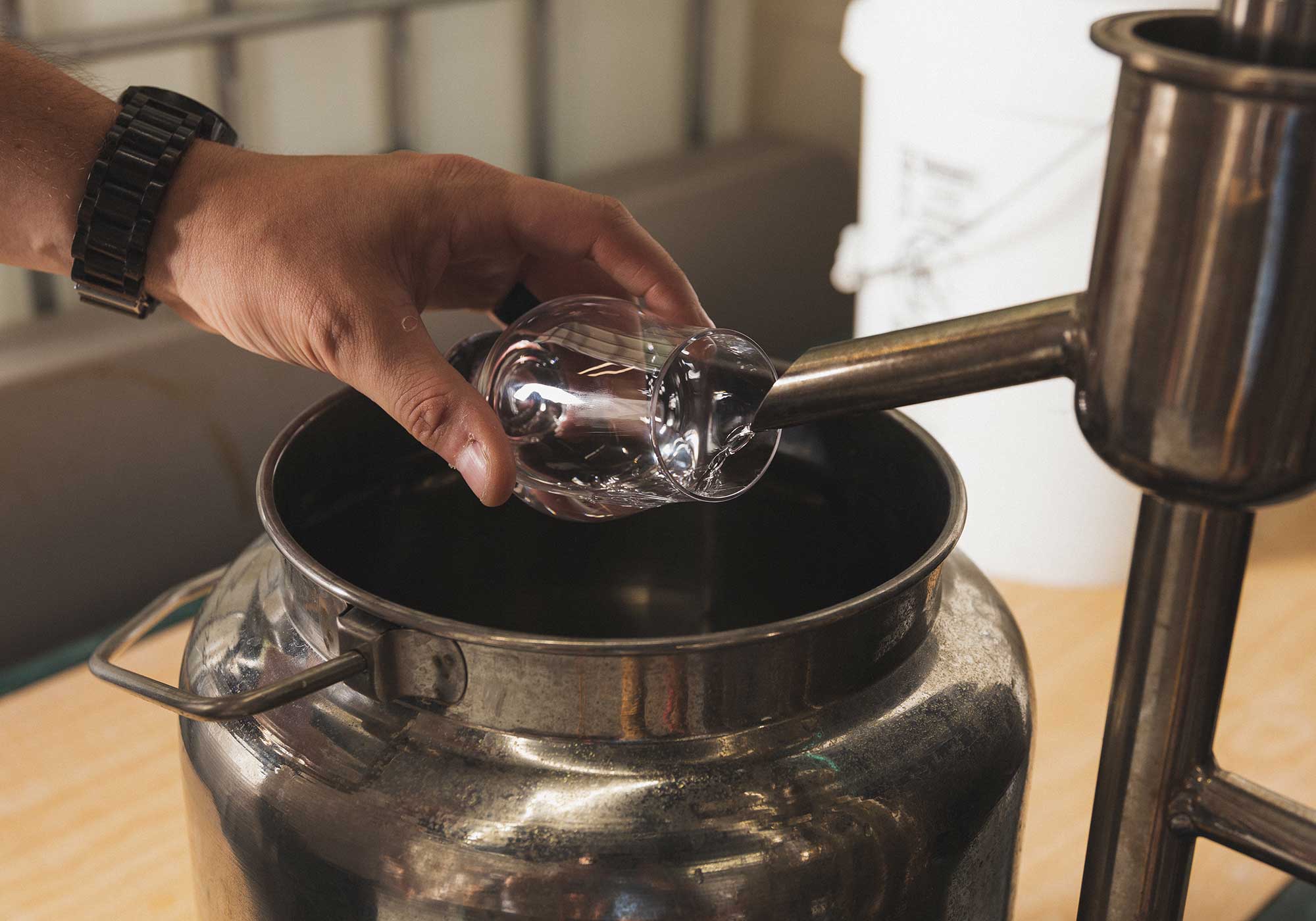
American craft distillers have adapted an Old World practice for their varied production environments.
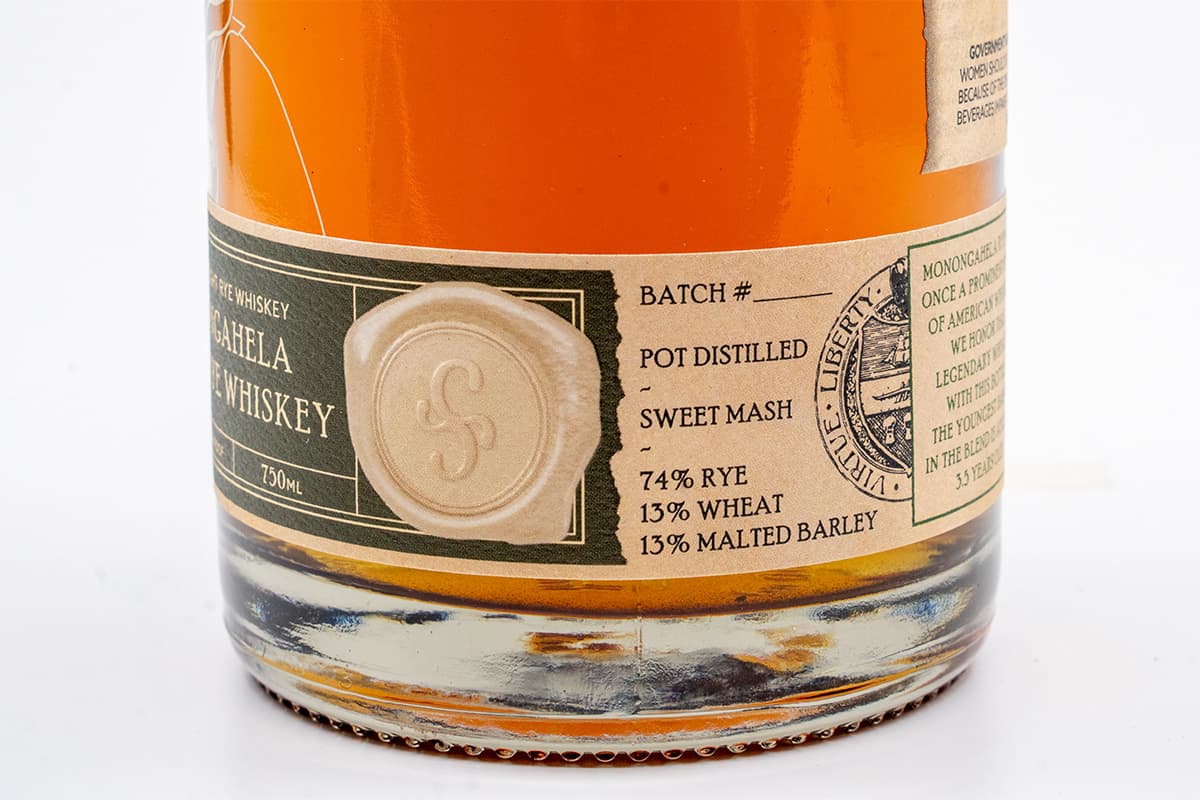
As distillers in western Pennsylvania work to define their own style of rye, historical examples and modern efforts guide the way. It’s a project that could be instructive to distillers in other regions with distinctive styles.
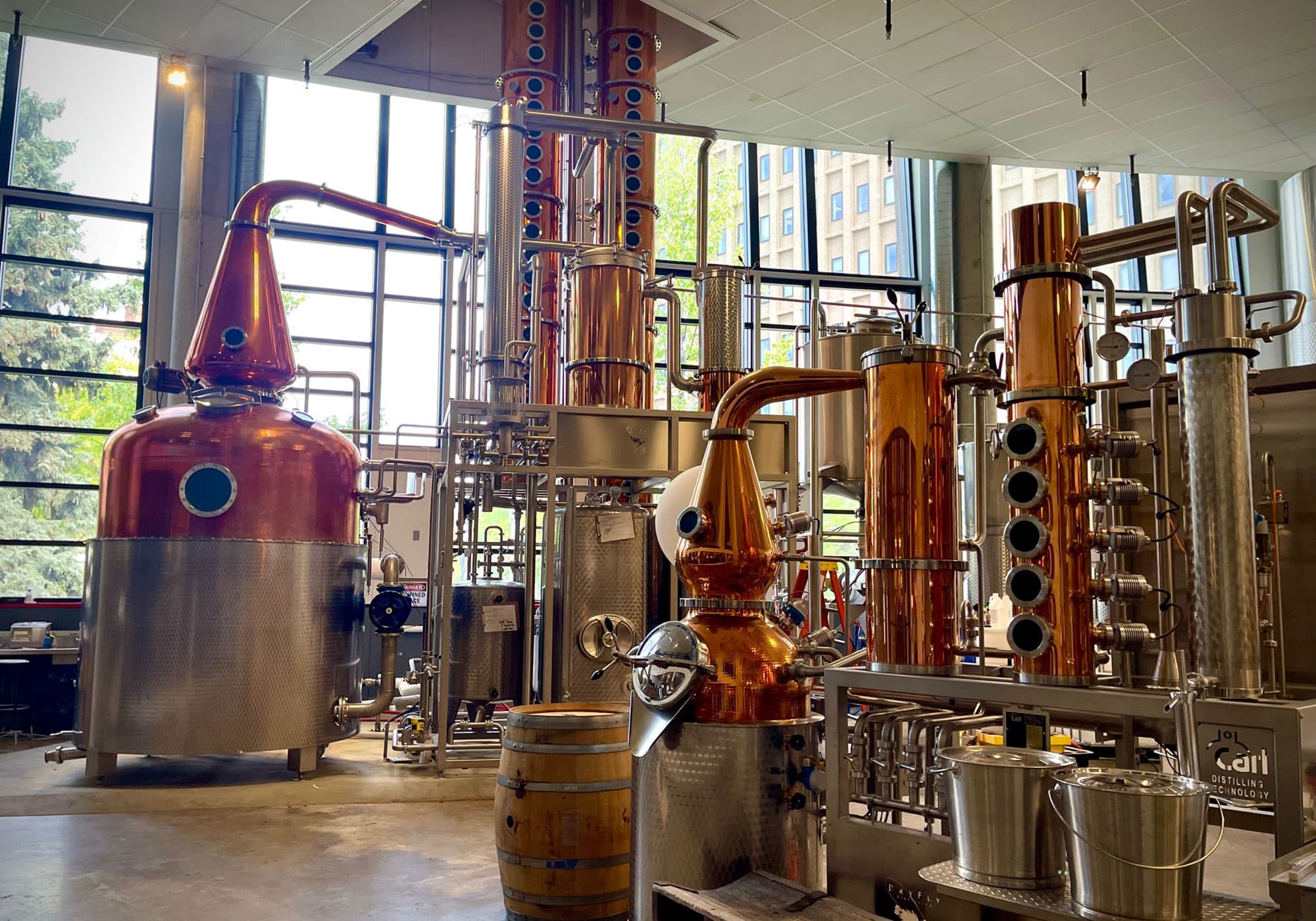
This unusual rye-wheat hybrid isn’t well known among the drinking public, but its star may be rising in the world of craft whiskey.

Distilling in Florida’s hot and humid environment, and producing spirits specifically tuned for cocktails in a tourism-driven locale—those are the major guideposts for the creative direction of these sibling distilleries, as well as for their methods of barrel aging and adding flavor.
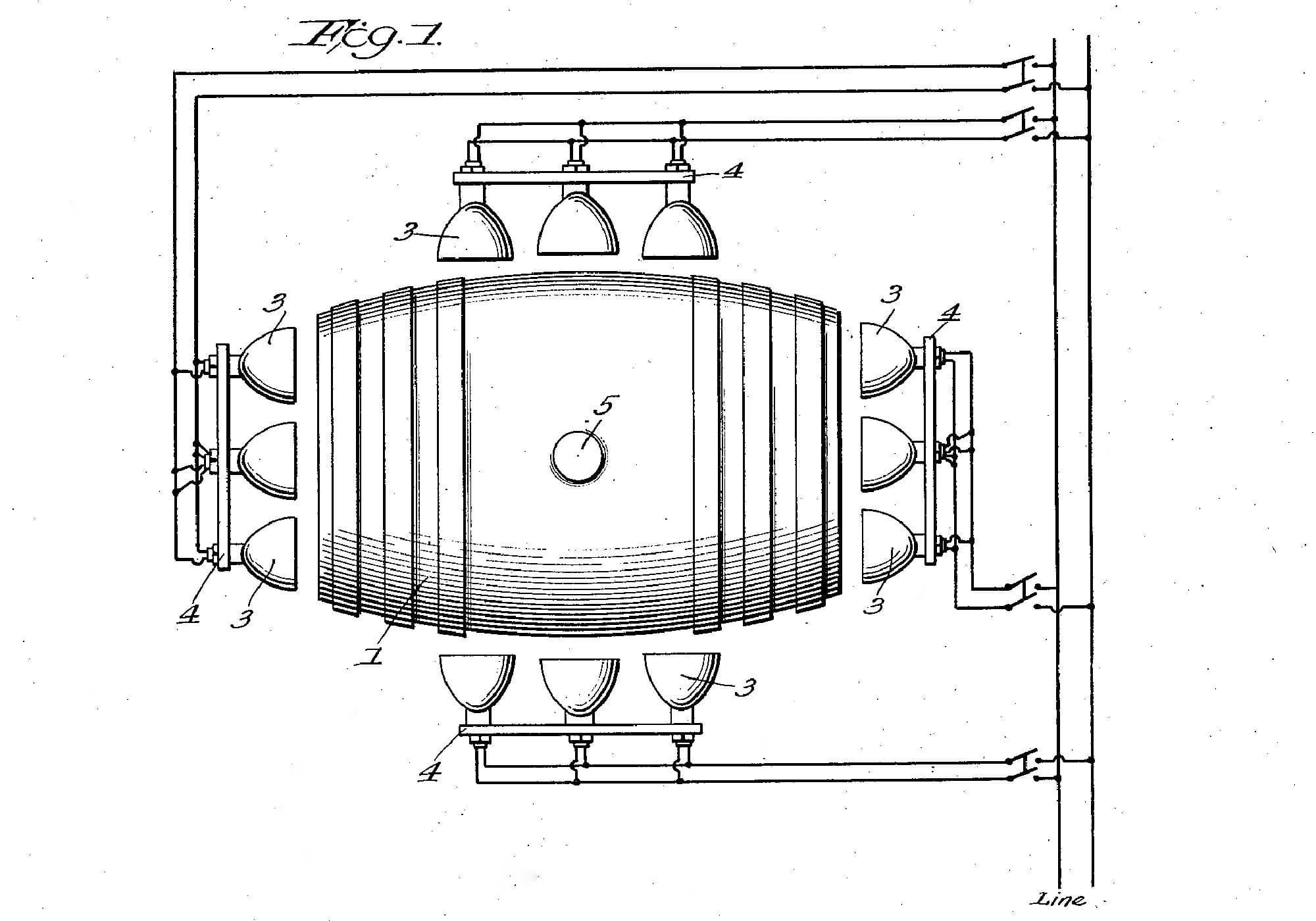
Rapid-aging research is as old as commercial whiskey production. What are the upsides, what are the downsides—and why hasn’t it taken broader hold in the industry?