For Whiskey Makers, the Wide World of Liqueurs Offers a Wide World of Potential Finishes
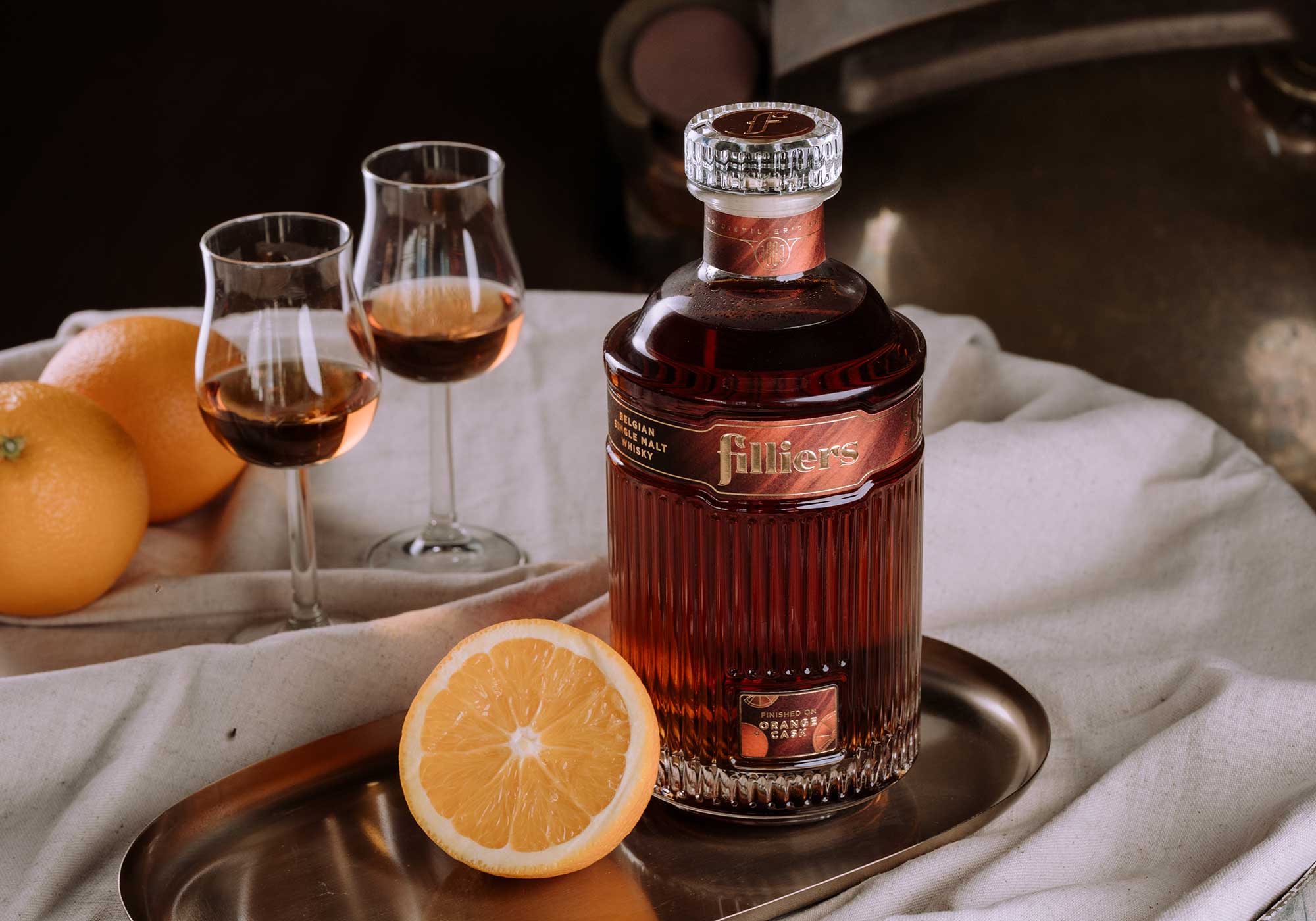
The enormous variety in liqueurs from various countries and traditions offers distillers an opportunity to create one-of-a-kind cask-finished whiskeys.
8 articles in this category

The enormous variety in liqueurs from various countries and traditions offers distillers an opportunity to create one-of-a-kind cask-finished whiskeys.

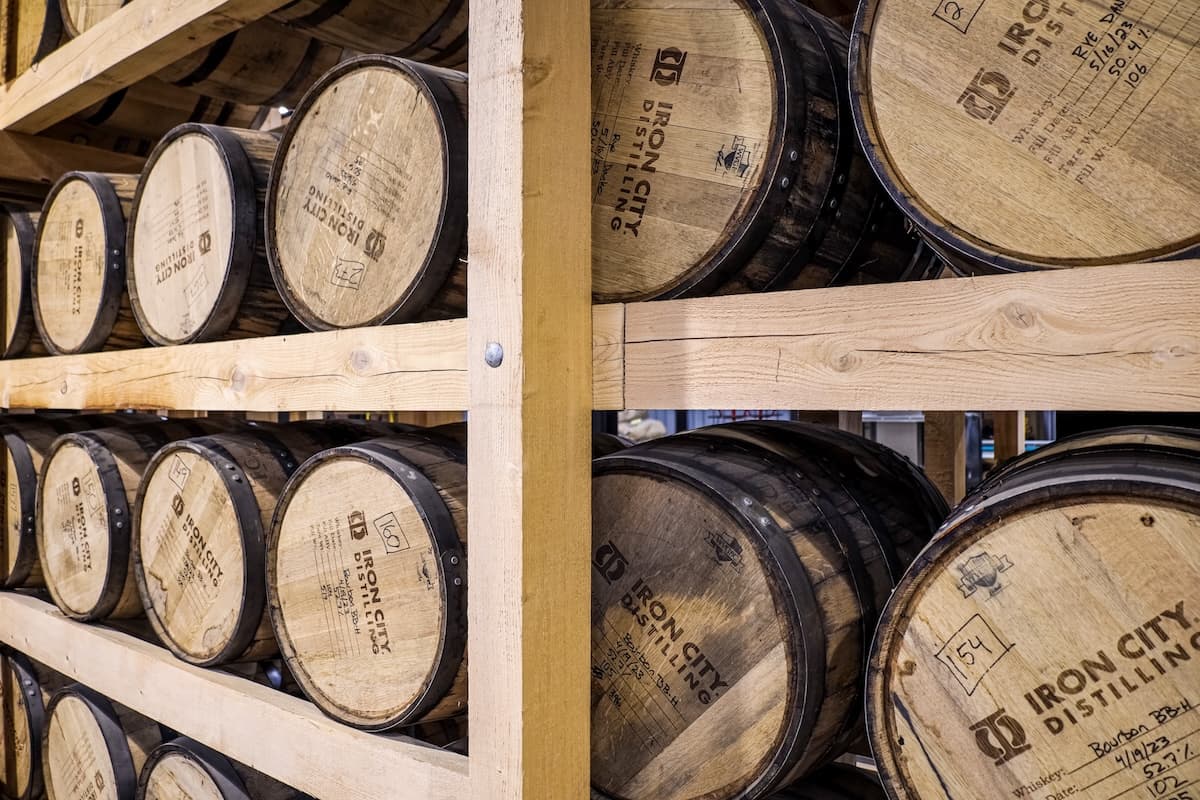
Making the right picks for your single-barrel program isn’t just a matter of picking the “best” barrels. It’s an opportunity to showcase unique casks that don’t fit your regular profile.

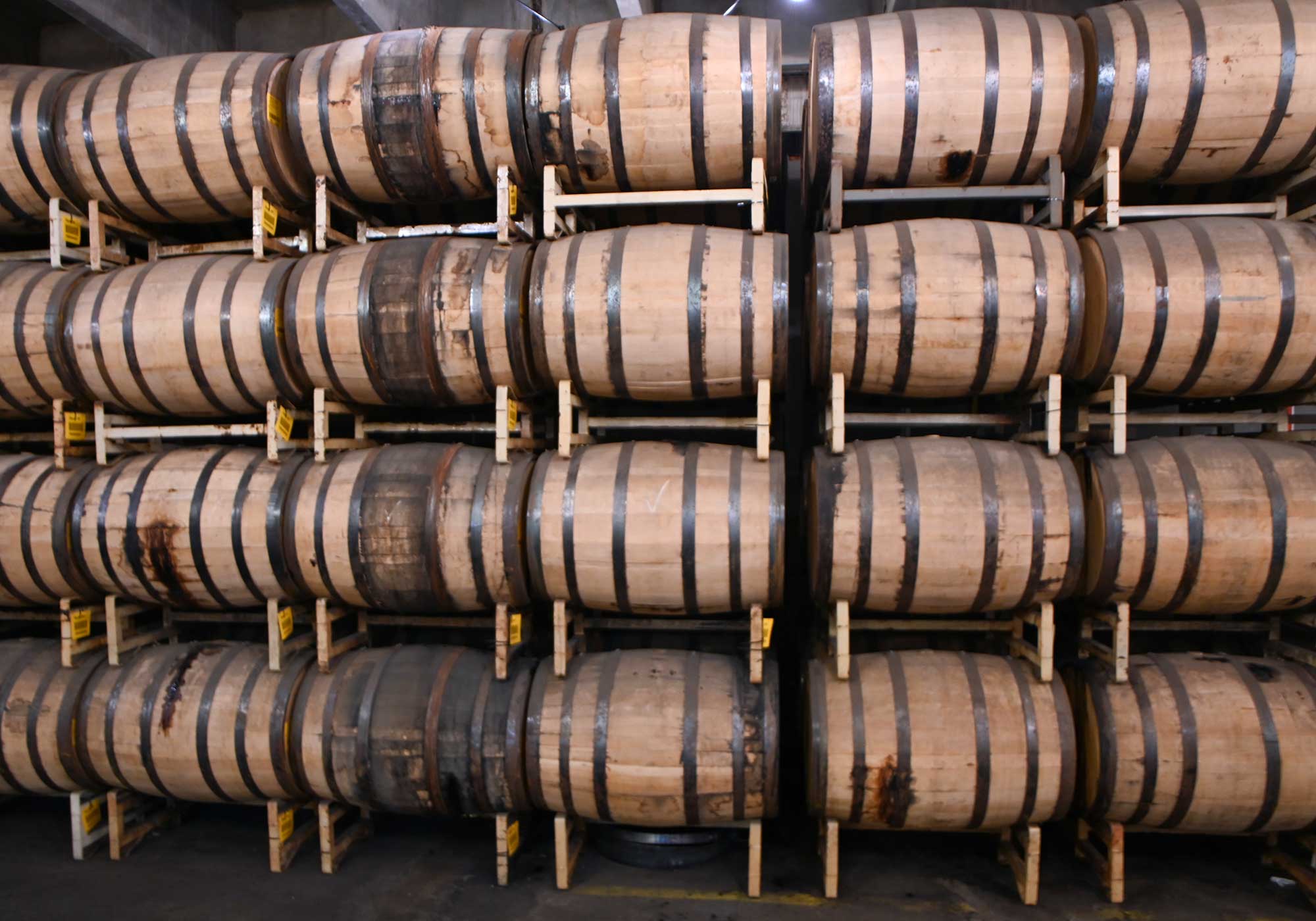
The available data around flavor impacts is unclear—even contradictory—but this much we know: Distilling a range of strengths for the barrels will give you a broader range of blending options.

While smaller vessels can speed up certain types of aging reactions, the results are uneven among different aspects of maturation. Let’s look closer at what’s happening inside those barrels.

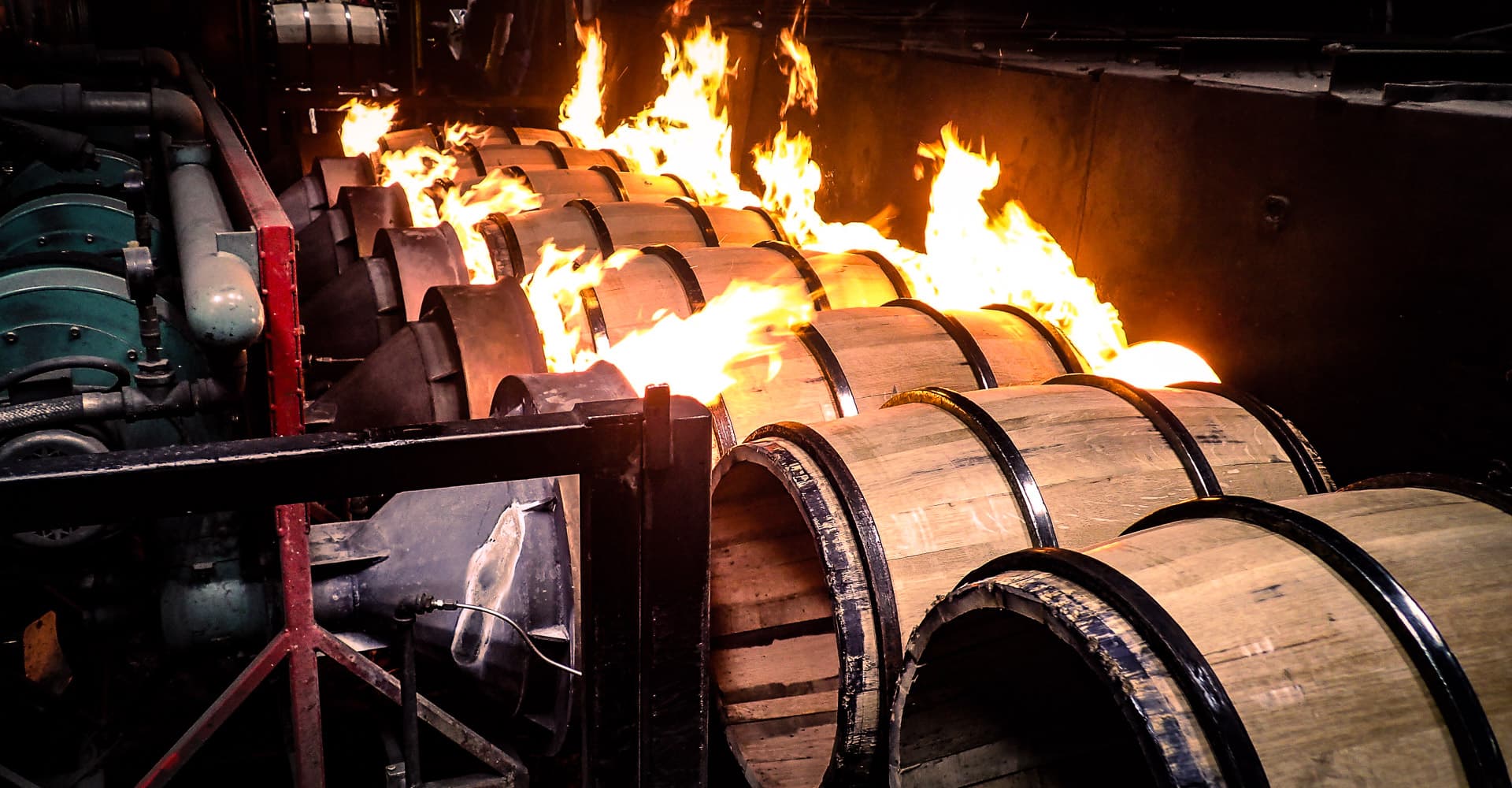
Santa Fe Spirits master distiller Stephen Julander explains how coopers use fires of different intensities and times to prepare barrels to influence character of spirits over the long haul.

From whiskeys whose grains they can trace to specific Alberta fields to a wine program that feeds ports, brandies, and grappa, Bridgeland Distillery’s DIY flywheel is gaining momentum.

While nothing is likely to replace the mighty oak for barrels, distillers are exploring a variety of other woods for aging spirits with distinctive character.

Many compounds within oak add flavors to spirits; the most desirable ones come from seasoning, toasting, and charring. While we don’t understand all these compounds, research is improving our knowledge of the ways that oak can influence spirits.