

The sour cocktail has, without question, stood the test of time within the modern cocktail pantheon. From the brandy sour to the whiskey sour, the daiquiri, and the margarita, imbibers around the world have long loved a well-crafted sour.
And honestly, it’s not hard to see why. There is something deeply satisfying about that perfect tension between tartness, sweetness, and spirit—it’s the holy trinity of cocktail balance.
If you’re an aficionado of old fashioneds, you probably already know that before whiskey became the dominant base, it was brandy that ruled the format—and the same is true for the sour. The brandy sour once dominated the scene, long before bourbon and rye took the throne. Some cocktail historians trace the whiskey sour back to the 1860s, and the drink has even earned its own day on the calendar: August 25th is National Whiskey Sour Day.
As iconic as the whiskey sour has become, however, it’s really just the tip of the iceberg. The family of sours is vast, endlessly versatile, and, frankly, one of the most exciting playgrounds in all of mixology.
The Building Blocks
At its core, a sour cocktail is built on a spirit base plus citrus, sugar, and water, and typically diluted with ice.
However, don’t let that simplicity fool you. The open-ended framework is exactly what makes the sour such an extraordinary template. Depending on how you craft it, a sour can hit every major flavor point: sweet, tart, bitter, salty, even umami. It’s the most democratic of cocktail structures.
If you’re a fan of a great margarita, you’re already a sour drinker. Gimlet lover? Same club. Can’t resist a clover club? Pull up a chair. Sours have this remarkable ability to unite drinkers across the spectrum—and, more importantly for us as mixologists, it’s one of the most powerful vehicles for showcasing the nuance and character of a craft spirit. The base spirit is front and center, and there’s nowhere to hide.
Before we dive into the fun stuff, let’s talk more about those building blocks. The classic sour ratio—often attributed to the foundational work of 1940s cocktail book author David Embury—follows a structure of spirit, citrus, and sweetener, with the spirit always in the lead.
The citrus component is most commonly lemon or lime—but don’t sleep on grapefruit, yuzu, or even verjuice (squeezed from unripe grapes) for something truly unexpected. Your sweetener can be simple syrup, a flavored syrup, a liqueur, or even honey syrup; each can pull the drink in a completely different direction.
Then there’s the egg white—that silky, frothy, beautiful egg white. When you dry-shake—that is, no ice—and then shake again with ice, you get that luscious, pillowy foam that takes a sour from good to unforgettable.
If you’re egg-averse, aquafaba or products such as Fee Brothers’ Fee Foam or Modernist Pantry’s Foam Magic work brilliantly as vegan substitutes with nearly identical results.
Now, it’s time to explore some of the most interesting expressions of the sour across the spirit world.
Whiskey and the New York Sour
The New York sour is the whiskey sour’s more sophisticated, better-dressed sibling. To make it, you build your classic whiskey sour with bourbon or rye, fresh lemon juice, simple syrup, and egg white, and then you float red wine on top.
Traditionally, that wine is a dry, fruity red such as a malbec or shiraz. The result is a stunningly layered visual and a flavor profile that evolves with every sip, moving from tart citrus and rich grain spirit at the base to dark fruit and tannin at the rim. It’s a drink that rewards patience.
For more spice and structure, use rye; for something rounder and more approachable, go with a wheated bourbon. Or you can use a peated malt whiskey to get a smoky touch that plays off a sweeter red wine.
New York Sour
2 oz whiskey (usually rye or bourbon)
1 oz lemon juice
¾ oz simple syrup
¾ oz egg white
½ oz red wine
Add all the ingredients except the wine to a cocktail shaker and shake well. Add ice and shake again until the shaker feels cold. Strain into a rocks or coupe glass, then pour the red wine slowly over the back of the spoon on top of the cocktail.
Rum and the Classic Rum Sour
I’m excited that we’re getting back to the classic daiquiri cocktail rather than its bizarre frozen cousin.
In my opinion, the classic daiquiri is already one of the most perfect cocktails ever conceived: white rum, fresh lime, and simple syrup. But let’s push it further: Try building a daiquiri with an aged rum. The rich, funk-forward character of an aged rum transforms the daiquiri from a bright, zippy sipper into something with real depth and complexity.
Add a bar spoon of Falernum for a subtle almond-spice note or swap simple syrup for a rich cinnamon demerara syrup to lean into the rum’s natural sweetness. Play with the citrus components and swap lime juice for grapefruit juice or even yuzu; adjusting the ratio of citrus to sweet also can change up the cocktail to fit desired taste profiles. The result is something that bridges the gap between a daiquiri and a rum sour in the most delicious way possible.
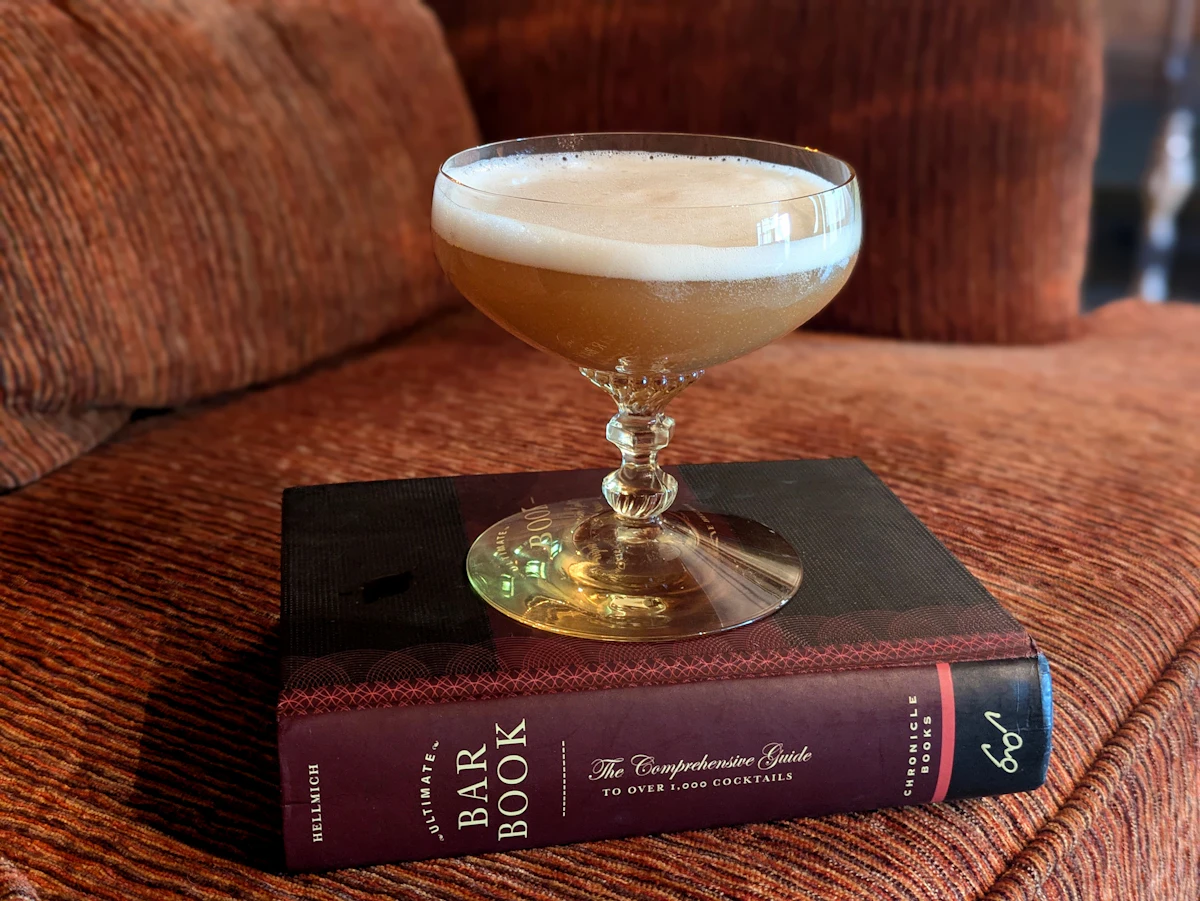
Rum Sour
1 oz light rum
1 oz dark rum
¾ oz fresh lemon juice
¾ oz fresh lime juice
¾ oz simple syrup
½ oz egg white
2 dashes aromatic bitters
Add all the ingredients to a cocktail shaker with ice and shake well. Strain into an old fashioned glass over cubed ice. Garnish with an expressed orange zest. Alternatively, serve this cocktail in a chilled stemmed glass.
Gin and the Clover Club
Pre-Prohibition, baby. The clover club was a wildly popular cocktail dating back to the late 1800s, and it’s enjoying a well-deserved renaissance.
The formula: London dry gin, fresh lemon juice, raspberry syrup, and an egg white. Shake it hard (dry-shake first), and strain into a coupe glass.
There is much debate about the original recipe, and you’ll find many variations in old cocktail books and articles. Some include dry vermouth, and some use grenadine instead of raspberry syrup. The decision to add dry vermouth or not seems debatable and ultimately up to the one shaking the tin.
However you choose to make this cocktail, you might just find it to be your new favorite—so many of its features work in perfect concert with each other, such as the egg white that gives it that gorgeous frothy cap, and the raspberry that adds a floral, fruity sweetness that plays beautifully against the botanicals in the gin.
Use a gin with a good juniper backbone so it doesn’t get lost in the fruit. For something more adventurous, try a botanical gin with a higher ABV to punch through the citrus and bring forward more botanical notes. In this recipe, go ahead and add that dry vermouth to enhance the botanicals.
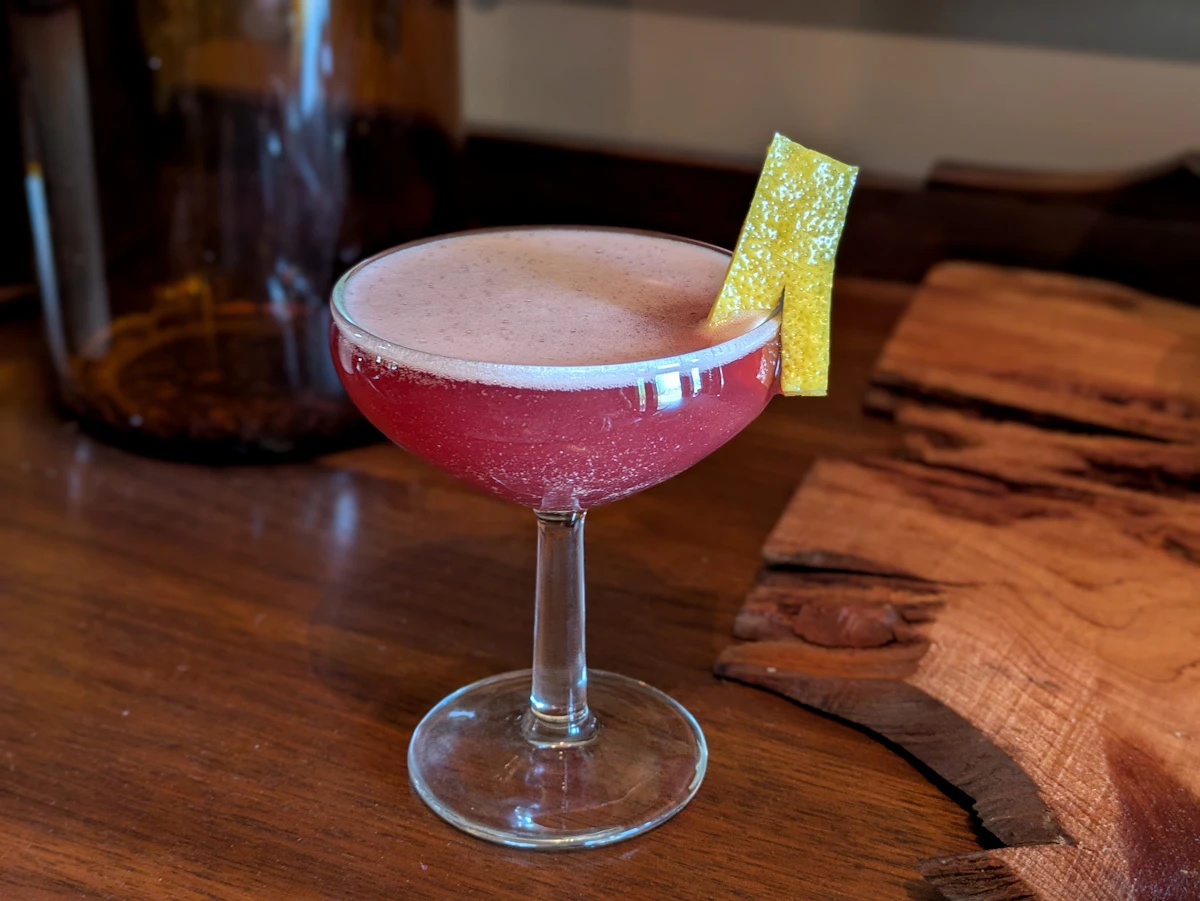
The Clover Club
1½ oz gin
½ oz dry vermouth
1 oz raspberry syrup, or use raspberry jam
½ oz lemon juice
½ oz egg white
Add all the ingredients to a cocktail shaker with ice, shake well, double-strain into a coupe glass, and garnish with fresh raspberries or a lemon twist.
Agave Spirits and the Agave Sour
Here’s where things get really exciting. Swap your tequila or other agave spirit for a quality mezcal—something with a pronounced but not overwhelming smoke profile—and build a classic sour structure: mezcal, fresh lime juice, agave nectar (to stay on theme), and an egg white.
The smoke from the mezcal interacts with the lime’s tartness in a way that is genuinely revelatory. It’s earthy, it’s complex, and it’s got an almost-savory quality that makes it unlike anything else in the sour category. Or split the spirit base between tequila and mezcal for a next-level version, and add a few dashes of mole bitters, swap the lime for orange juice, and garnish with a salt-and-chile rim.
Split-Base Agave Sour
1½ oz tequila
1 oz orange juice
½ oz agave syrup
¾ oz egg white
2 dashes mole bitters
¾ oz mezcal
Add all the ingredients except the mezcal to a cocktail shaker with ice, dry shake, then add ice and shake well. Strain into a rocks glass over an ice sphere and float the mezcal on top. Optionally, salt the rim of the glass with chile-lime salt.
The Oaxacan old fashioned gets all the press, but the agave sour deserves equal billing.
Brandy and the Sidecar
The sidecar is the granddaddy of the brandy-based sour, and it’s one of the most elegant cocktails ever created.
Cognac or other brandy, fresh lemon juice, and Cointreau. That’s it.
The ratio debate—equal parts vs. spirit-forward—has been raging since the 1920s, and honestly, both camps have merit. A spirit-forward sidecar (2 oz Cognac, ¾ oz orange liqueur, ¾ oz lemon) lets the Cognac’s rich stone fruit, oak, and floral notes shine, while the equal-parts version is brighter and more citrus-forward.
Either way, you can use a craft brandy here instead of Cognac for a fantastic variation; the quality of the base spirit matters enormously, so choose wisely. Splitting the base between a grape-based brandy and a peach brandy is a delicious variation. The optional sugar rim adds a textural contrast that is classically satisfying.
This is another cocktail that is really great to riff on; use an apple brandy, for example, or change up the orange liqueur to something unusual, such as a pine liqueur, or try a spiced hibiscus liqueur to add spice and depth. The build is simple, but the ingredients don’t have to be. This is a cocktail that rewards using the best ingredients you have.
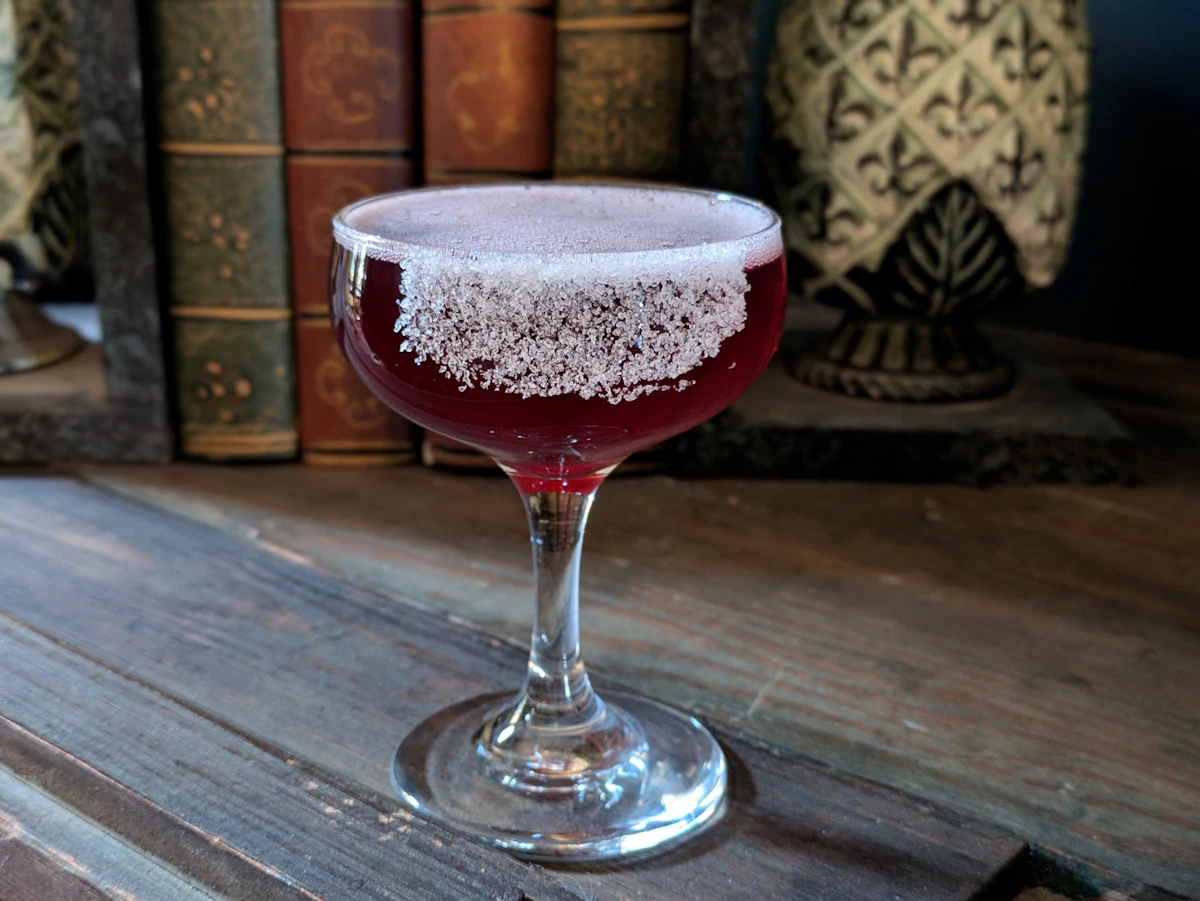
Sidecar
1 oz Cognac or grape-based brandy
1 oz fruit brandy
¾ oz orange liqueur
¾ oz simple syrup
½ oz fresh lemon juice
Add all the ingredients to a cocktail shaker with ice, shake well, and strain into a stemmed glass. Optionally add a sugar rim to the glass. Gently heat the sugar with a small kitchen torch, removing the heat as soon as the sugar turns golden brown.
Sake and the Sake Sour
The sake sour doesn’t get nearly enough love. It swaps the traditional spirit base for a dry, clean, junmai-style sake, adds fresh yuzu or lemon juice, a light honey syrup, a pinch of salt, and an egg white.
The result is something incredibly delicate and nuanced, and low in alcohol relative to a typical sour, yet extraordinarily complex in flavor. The umami and rice-forwardness of the sake create a savory underpinning that makes this one of the most food-friendly sours you can make. Garnish with a few drops of yuzu kosho thinned with water on the foam for a sophisticated, restaurant-worthy finish.
This is a drink that will genuinely surprise even the most seasoned palate. If you’re a fan of unfiltered nigori sake, with its sweet, milky profile, a sour cocktail creates a magical pairing. Equally delicious, and a great way to showcase a well-crafted earthy vodka, is to split the base. A heavily botanical gin is also an amazing complement and holds up well to nigori sake. Try this recipe and discover a new world.
Split-Base Sake Sour
1 oz jumai sake
1 oz vodka
1 oz honey syrup
1 oz yuzu juice
½ oz egg white
1 small pinch sea salt
Add all the ingredients to a cocktail shaker with ice, shake well, strain into a stemmed glass, and garnish with an expressed lemon peel.
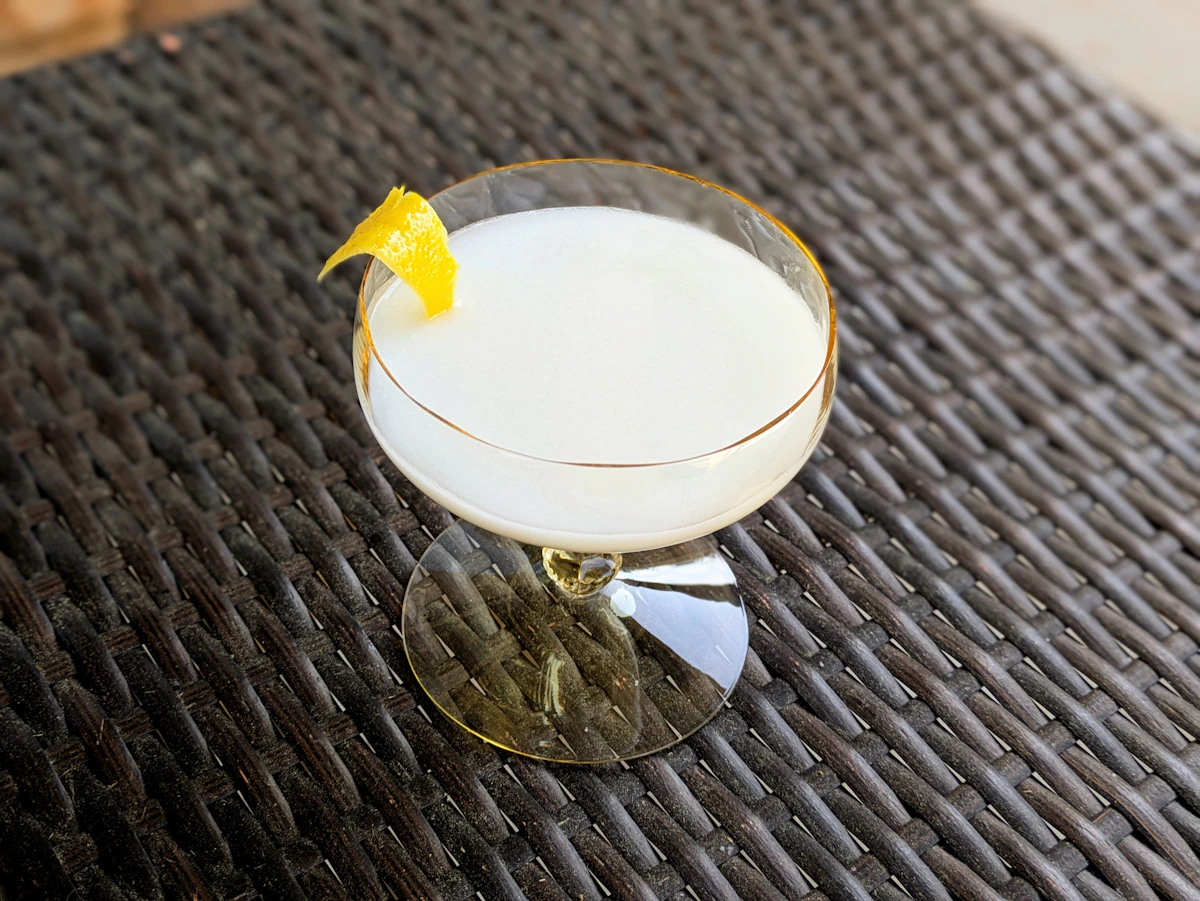
Nigori Sake Sour
1 oz nigori sake
1 oz botanical gin
1 oz honey syrup
1 oz lemon juice
1 small pinch sea salt
Add all the ingredients to a cocktail shaker with ice, shake well, strain into a stemmed glass, and garnish with an expressed lemon peel.
Sour Power
The sour cocktail has a remarkable ability to unite drinkers across every preference and palate, and for mixologists it remains one of the most powerful and expressive formats we have.
What makes it so enduring isn’t just the balance or the versatility—it’s the fact that the format rewards curiosity. The more you understand the interplay among acid, sugar, and spirit, the more creative freedom you have to push the drink somewhere genuinely new.
Plus, whether you’re behind a bar or just experimenting at home, the sour is the kind of template that grows with you. It scales from a three-ingredient weeknight drink to a multilayered, spirit-forward showpiece depending on how deep you want to go.
These recipes are a starting point, not a finish line. Swap the citrus, change the sweetener, split the base, add a float—every small decision shifts the flavor in a direction worth exploring.
Master the structure, understand your ingredients, and the possibilities are truly endless.